The Jurisdictional Shift in Border Authority
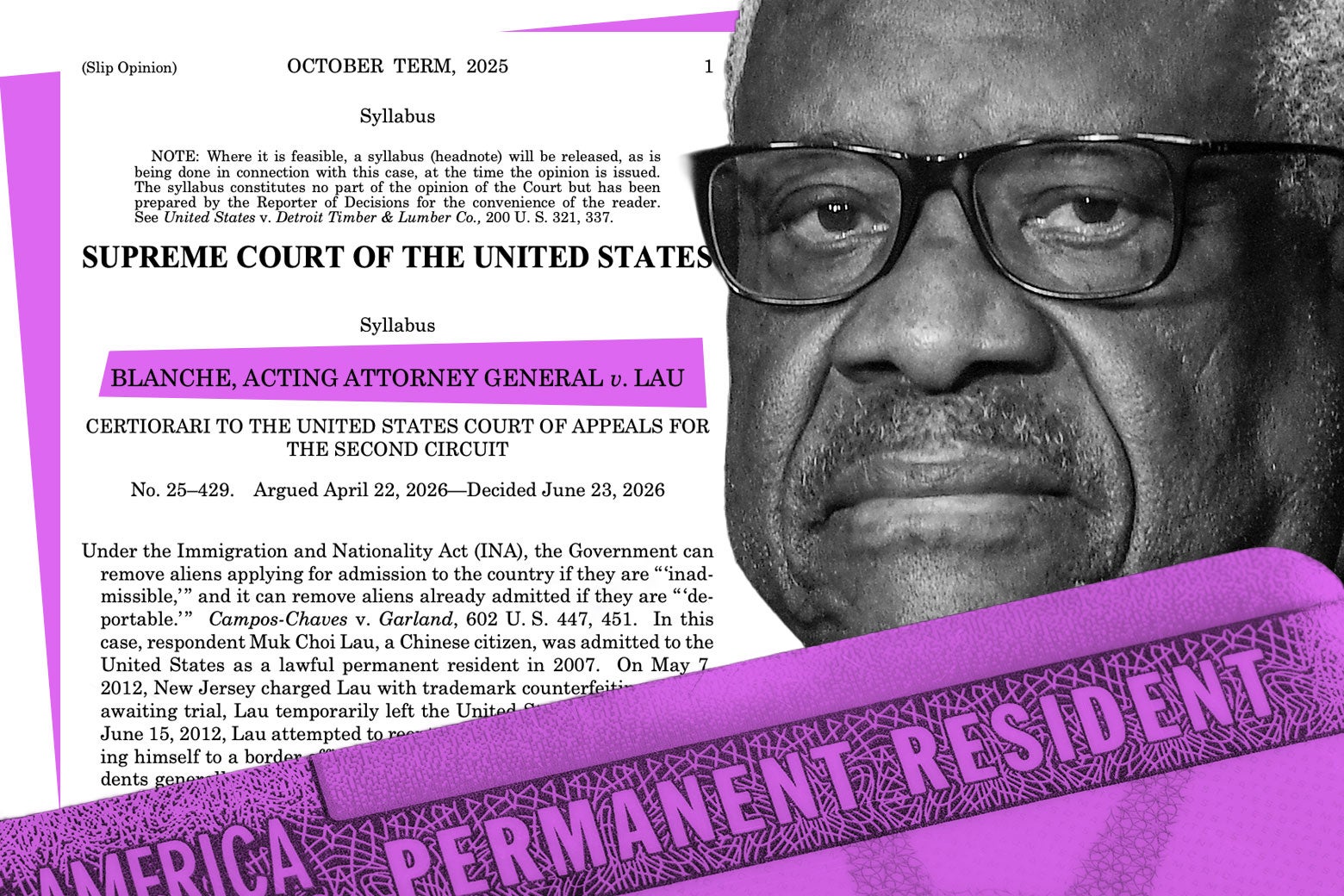
The United States Supreme Court, in a 6-3 decision, affirmed the Department of Homeland Security’s authority to subject lawful permanent residents (LPRs) to immigration parole upon re-entry if they face pending criminal charges. This ruling resolves a significant legal ambiguity regarding the scope of administrative power, distinguishing between individuals with established residency and those categorized as arriving aliens.
The litigation originated from the case of Muk Choi Lau, an LPR placed on immigration parole in 2012 following a short international trip. The border agent’s determination relied on pending counterfeiting allegations, which preceded Lau’s eventual guilty plea in New Jersey. The Court’s opinion, authored by Justice Clarence Thomas, establishes that border officers need not satisfy a ‘clear and convincing evidence’ standard regarding crimes involving moral turpitude to exercise parole authority, thereby lowering the evidentiary bar for detaining returning residents.
Operational and Strategic Implications
By validating this mechanism, the Court grants border officials heightened discretion to treat residents as ‘arriving aliens’ rather than individuals entitled to seamless re-entry. This shift creates substantial legal uncertainty for LPRs, as the exercise of parole is now tied to unverified or pending allegations rather than final adjudications. Critics, including Justice Ketanji Brown Jackson in her dissent, contend that this policy effectively places residents in a state of legal limbo, potentially resulting in prolonged detention prior to any formal conviction.
Institutional Framework and Legal Precedent
This decision reaffirms the judiciary’s deference to executive agencies in matters of immigration and border enforcement. By aligning with the government’s interpretation of statutory authority, the Court has signaled that administrative procedures governing non-citizens remain a primary domain of executive power. For legal practitioners, the ruling serves as a critical precedent necessitating a re-evaluation of advisory protocols for permanent residents regarding international travel, particularly for those with outstanding legal issues.
Long-term Policy Dynamics
Looking forward, this ruling is likely to standardize the use of parole for residents as a routine enforcement tool. As border agencies integrate these findings into standard operating procedures, the frequency of parole designations may rise, shifting the burden onto the traveler to contest their status. This development underscores an ongoing tension between the plenary power of the state to regulate borders and the established rights of LPRs, ensuring that the intersection of criminal law and immigration status remains a volatile focal point for future litigation.