
The San Antonio Spurs’ approach to the 2026 NBA Draft signals a decisive pivot from speculative talent acquisition to strategic roster stabilization. General Manager Brian Wright is navigating a transitional phase where the diminishing marginal returns of further youth-heavy drafting have necessitated a shift toward established veteran depth. With the 20th overall selection and a surplus of second-round capital, the Spurs are positioned to exploit market inefficiencies, prioritizing immediate operational utility over the prolonged timelines of mid-round developmental prospects.
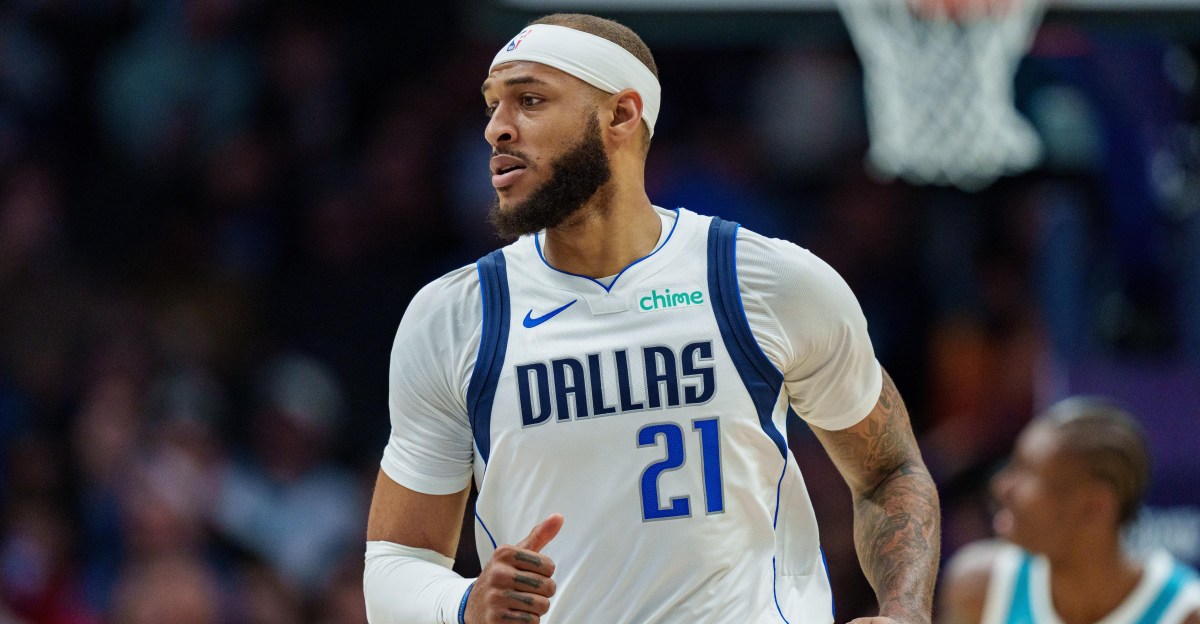
Central to this realignment is a proposed trade architecture with the Dallas Mavericks. The scenario involves San Antonio packaging Luke Kornet and the 20th pick in exchange for Daniel Gafford and the 30th pick. This transaction represents a sophisticated form of capital arbitrage; while Dallas gains the draft equity required to secure high-upside youth, San Antonio acquires a proven vertical spacer and rim protector. For the Spurs, Gafford provides the defensive floor and interior gravity necessary to insulate their young perimeter core, effectively shortening their competitive timeline without sacrificing a first-round presence.
Complementing the trade market, the Spurs’ scouting efforts are concentrated on Michigan’s Yaxel Lendeborg. Profiled as an Aaron Gordon-style archetype, Lendeborg addresses the team’s deficit in multi-positional defensive elasticity. Unlike the traditional, immobile frontcourt players of previous eras, Lendeborg’s lateral mobility allows for seamless switching in high-leverage defensive schemes. His inclusion in the roster would provide a tactically flexible bridge between the frontcourt and wing, offering the physical strength required for post-defense alongside the agility needed for modern transition offenses.
The management of three second-round picks further illustrates the organization’s focus on roster optimization. These assets serve as contingency leverage, allowing Wright to either maneuver up the board or disrupt rival draft boards—a proactive stance internal sources describe as ‘aggressive disruption.’ By avoiding the pitfall of roster overcrowding, the Spurs aim to maintain an ‘S-tier’ developmental environment where coaching resources are not diluted across too many non-rotational players. This disciplined approach ensures that every addition, whether via trade or draft, serves a specific functional role in the franchise’s ascent back to postseason relevance.

Photo by MariamS on Pixabay.