
Institutional Realignment: The Era of Fiscal Pragmatism
The 2026 NBA offseason marks a definitive shift in franchise management, where the punitive constraints of the ‘Second Apron’ have elevated fiscal health to a core competitive requirement. No longer just a talent race, the league has entered a phase of aggressive balance-sheet restructuring. Organizations are increasingly leveraging veteran assets not for immediate upgrades, but to secure the long-term flexibility required to survive under the current Collective Bargaining Agreement (CBA).
The Oklahoma City Thunder: A $60 Million Tax Masterstroke
The trade of Aaron Wiggins to the Atlanta Hawks serves as a case study in modern luxury-tax mitigation. By liquidating a rotational contributor for distant 2030 and 2032 second-round picks, the Oklahoma City Thunder avoided a projected $60 million in tax liabilities. This move suggests a strategic pivot toward capital preservation, likely to accommodate impending core extensions. For Atlanta, the transaction represents an exercise in cap-space arbitrage, acquiring a cost-controlled asset by absorbing a contract that had become a liability for a tax-distressed contender.
Minnesota and Brooklyn: The High Cost of Liquidity
The Minnesota Timberwolves’ decision to move Julius Randle to the Brooklyn Nets—packaging him with the 28th overall pick in exchange for the 33rd—underscores the declining market value of high-salary veterans in a restrictive economic climate. Minnesota essentially paid a first-round premium to exit Randle’s contract, prioritizing roster reconfiguration over draft capital. Brooklyn, acting as a clearinghouse for distressed assets, utilized its cap-space surplus to gain a first-round asset and a proven scorer, highlighting the widening gap between ‘apron-bound’ contenders and flexible rebuilders.
The Giannis Antetokounmpo Sweepstakes: A Leveraged Deadline
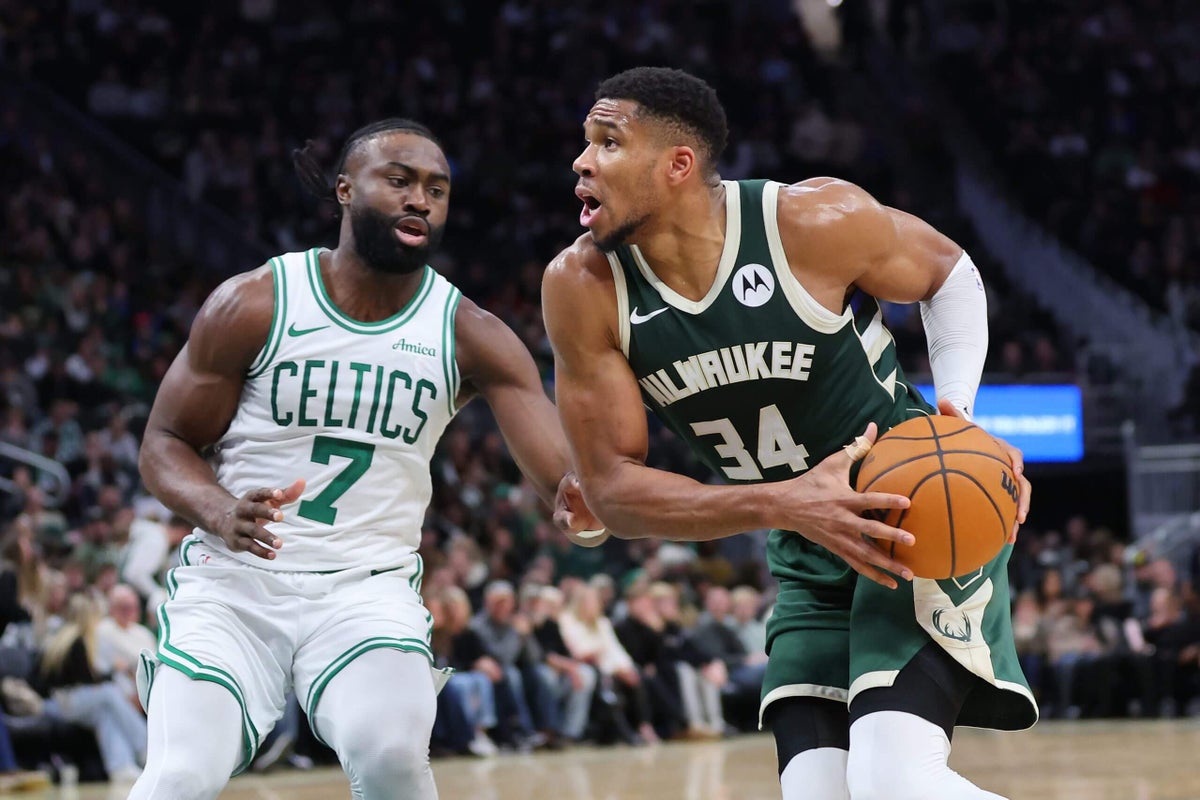
The Milwaukee Bucks have reached a critical inflection point, dictated by a self-imposed Tuesday deadline aligned with the NBA Draft’s first round. This timeline, reportedly orchestrated by co-owner Jimmy Haslam, is designed to maximize leverage before the draft resets league-wide asset valuations. The sweepstakes have devolved into an Eastern Conference cold war: the Boston Celtics, potentially willing to include Jaylen Brown, offer a championship-ready return, while Pat Riley and the Miami Heat risk being outmaneuvered if they cannot match the Celtics’ aggressive package of blue-chip talent and picks.
The Draft as a Macroeconomic Catalyst
In 2026, the NBA Draft has evolved into a primary liquidity event where draft slots function as currency for salary dumps. The contrast in organizational health is stark: the New York Knicks are currently capitalizing on a position of asset surplus, whereas the Golden State Warriors face the structural decay of an aging, expensive core with limited avenues for rejuvenation. Meanwhile, the reported unrest of Victor Wembanyama in San Antonio adds a layer of existential pressure, forcing the Spurs to weigh their traditional developmental pace against the urgent demands of a generational superstar.
Conclusion: The New Gold Standard
The 2026 offseason proves that the ‘superteam’ era is being superseded by the era of strategic flexibility. The ability to navigate tax thresholds and maintain a clean ledger is now as vital as scouting. As the Tuesday buzzer approaches for Milwaukee, the decisions made will not only determine the destination of Giannis Antetokounmpo but will also define the competitive hierarchy of the NBA for the remainder of the decade.
Photo by 3844328 on Pixabay.