Red Sox vs. Rockies: Analyzing MLB’s Bottom-Dwellers and Organizational Crossroads
An interleague series commencing Monday night pits the Boston Red Sox (31-44) against the Colorado Rockies (30-48) in a three-game set, a matchup that, while not garnering playoff buzz, holds significant implications for both struggling franchises. This series effectively features the American League’s bottom dweller against the National League’s worst team, offering a granular look into systemic challenges and the battle to avoid the ignominy of last place in their respective leagues.
Performance Metrics: A Deeper Look Beyond the Standings
While their raw win-loss records suggest similar levels of struggle, advanced metrics reveal distinct underlying performance profiles. The Red Sox, with an expected record of 37-38, appear to have significantly underperformed their true talent level, indicating potential for regression to the mean or critical failures in situational execution. Conversely, the Rockies’ expected record of 31-47 closely mirrors their actual performance, suggesting a more consistent and deeply entrenched set of deficiencies. This disparity is further illuminated by their contrasting run differentials: Boston’s modest -7 points to a competitive, albeit losing, team, whereas Colorado’s stark -90 run differential underscores fundamental, widespread issues, particularly within their pitching staff and overall roster construction. The Red Sox’s respectable .500 road record, despite home woes, offers a glimmer of resilience, contrasting with the Rockies’ more uniform struggles.
Pitching Matchups and Player Development Insights
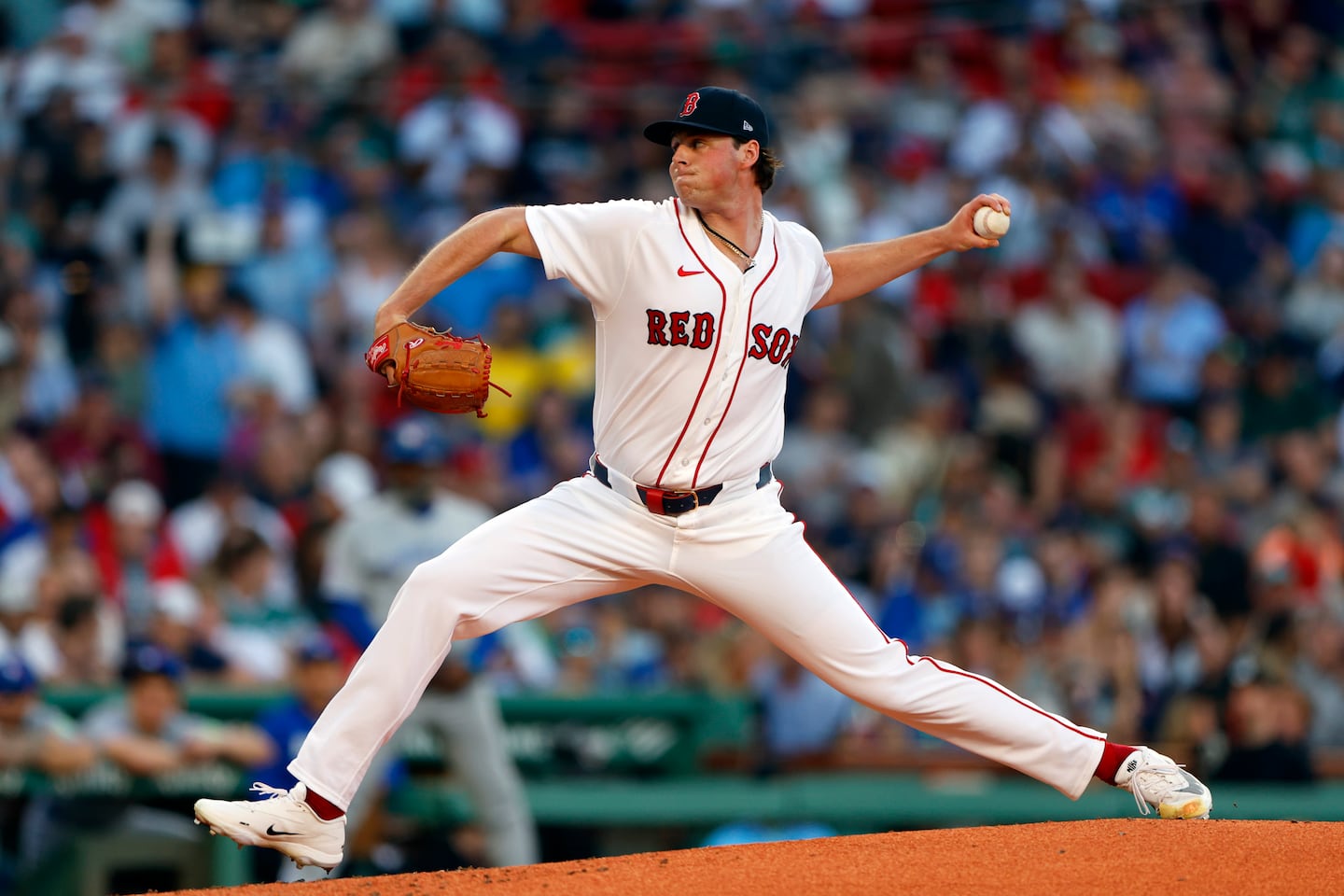
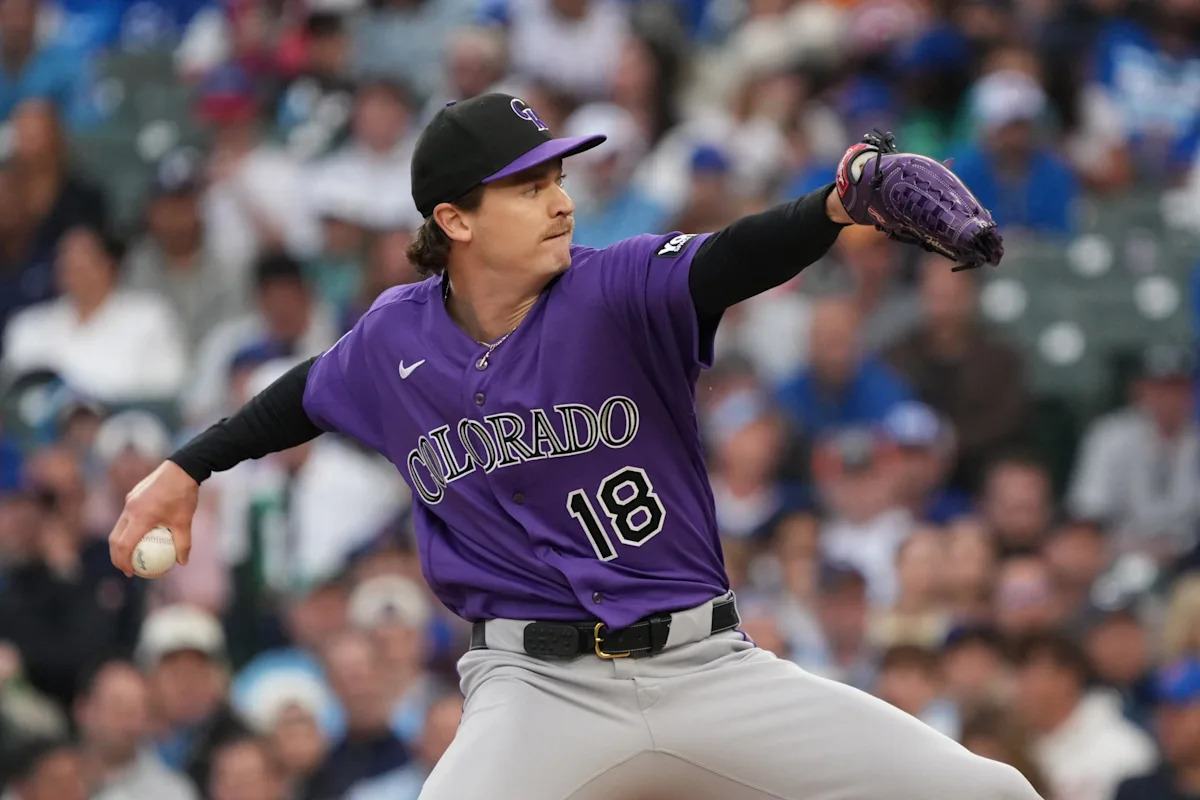
The series opener features Boston’s left-hander Jake Bennett (1-3, 4.79 ERA) against Colorado’s right-hander Ryan Feltner (2-2, 5.05 ERA). Bennett, a 25-year-old trade acquisition, represents a strategic investment in emerging talent for the Red Sox. His consistent ability to pitch into the fifth or sixth inning with a respectable strikeout-to-walk ratio, especially since his return from Triple-A, suggests a promising adaptation to major league competition, crucial given Brayan Bello’s inconsistent form. Feltner, returning from ulnar nerve inflammation, has posted a commendable 3.86 ERA in recent outings, with his starts resulting in a .500 record for the Rockies. His return is vital for Colorado’s pitching depth, though his overall ERA and record highlight the persistent broader pitching challenges faced by the team. These individual performances are not merely about game outcomes but serve as leading indicators for future roster construction and developmental trajectories.
Strategic Crossroads: Trade Deadline, Roster Management, and Future Outlook
This series, regardless of its outcome, places both organizations at a strategic crossroads. For the Red Sox, a strong showing could inject much-needed confidence and offer a counter-narrative to their pronounced home struggles, potentially influencing player valuations and trade strategies as the deadline approaches. Continued underperformance, however, would amplify pressure for significant roster adjustments, potentially involving veteran players. For the Rockies, entrenched as one of the league’s weakest teams, sustained poor results will solidify a likely seller’s position at the trade deadline, accelerating a focus on prospect acquisition and long-term player development. The ability of both teams to effectively scout, develop, and retain talent is under intense scrutiny. Performance in series like this can subtly shift market perceptions, influencing broadcast coverage, fan engagement, and ultimately, capital allocation decisions within each franchise. From a broader MLB ecosystem perspective, the struggles of historically significant franchises like the Red Sox, alongside teams in challenging markets like the Rockies, provoke discussions about league parity, economic disparities, and the effectiveness of player development pipelines across the sport. The implications extend beyond immediate standings, shaping organizational priorities and competitive trajectories for seasons to come.