The Judiciary as an Institutional Guardrail
The contemporary American legal landscape is increasingly defined by systemic friction between the executive branch and the federal judiciary. A comprehensive review of recent jurisprudence reveals a pattern of institutional alarm, as federal judges respond to what they characterize as unprecedented departures from administrative norms. This tension transcends policy disagreement, evolving into a fundamental conflict over the boundaries of Article II authority and the procedural mandates of the Administrative Procedure Act (APA).
Data across 77 separate rulings indicate a broad-based judicial critique of the Trump administration’s legal maneuvers. These decisions stem from a bipartisan cohort of jurists—appointed by both Democratic and Republican presidents—suggesting the pushback is a systemic defense of legal standards rather than a partisan reaction. The consistency of these rebukes suggests that the judiciary perceives a tactical disregard for established constitutional frameworks, particularly regarding the justification and implementation of executive orders.
Procedural Lapses and Strategic Overreach
Legal analysts suggest the administration frequently utilized a strategy of ‘litigation flooding,’ moving rapidly on high-stakes initiatives to test the limits of statutory authority. This approach, which spans from immigration restructuring to the dissolution of long-standing federal agencies, has forced the courts into the role of primary arbiter. However, judicial findings often cite a lack of evidentiary support and a failure to follow the notice-and-comment requirements essential to administrative stability.
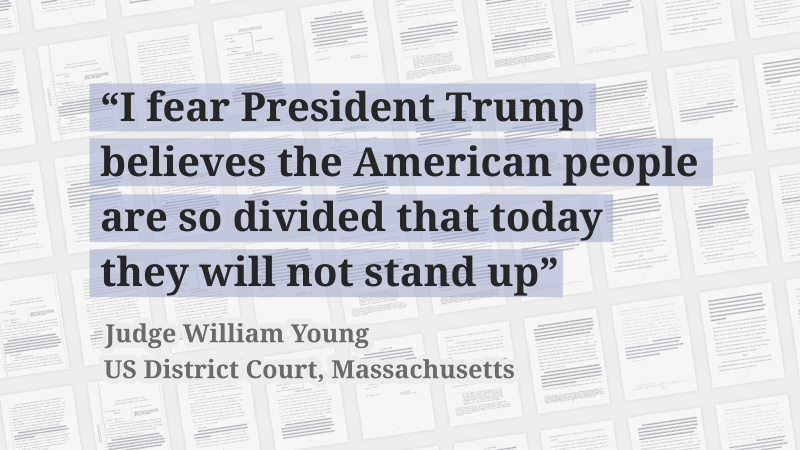
The language used in these rulings is remarkably pointed. Judges have described certain government justifications as ‘squalid’ or ‘pretextual,’ signaling a breakdown in the traditional deference usually afforded to the executive. This rhetorical shift underscores a growing concern within the third branch regarding the integrity of the arguments presented by the Department of Justice and other executive agencies in federal proceedings.
Impact on Economic Stability and Regulatory Independence
A critical front in this conflict involves the executive’s attempts to remove nonpartisan economic regulators and dismantle agencies established by congressional mandate. These efforts challenge the ‘for-cause’ removal protections that underpin the independence of financial oversight. By intervening, the courts are not merely adjudicating personnel disputes; they are safeguarding the institutional continuity and market predictability required for economic stability.
Furthermore, reported instances of agency defiance regarding court orders represent a direct challenge to the judicial hierarchy. When the executive branch bypasses judicial mandates, it erodes the foundational principle that the government is subject to the rule of law. The resulting defensive posture from the bench aims to preserve the judiciary’s role as a co-equal branch of government capable of enforcing its own decrees against the state.
Constitutional Boundaries and Administrative Legacy
The administration’s focus on redefining citizenship and immigration status remains one of the most legally volatile areas of judicial review. Courts have repeatedly found that the haste to implement these shifts often comes at the expense of constitutional scrutiny and procedural due process. These rulings emphasize that the desire for rapid policy change cannot supersede the deliberate, evidence-based requirements of the American legal system.
As these cases progress through appellate review, the judiciary will ultimately determine the viability of the executive’s legacy. The 77 rulings identified demonstrate that while the executive branch holds significant power to set an agenda, that power is not absolute. In a period of legislative inertia, the federal courts remain the final, effective check on the expansion of presidential authority, ensuring that governance remains tethered to the Constitution.