
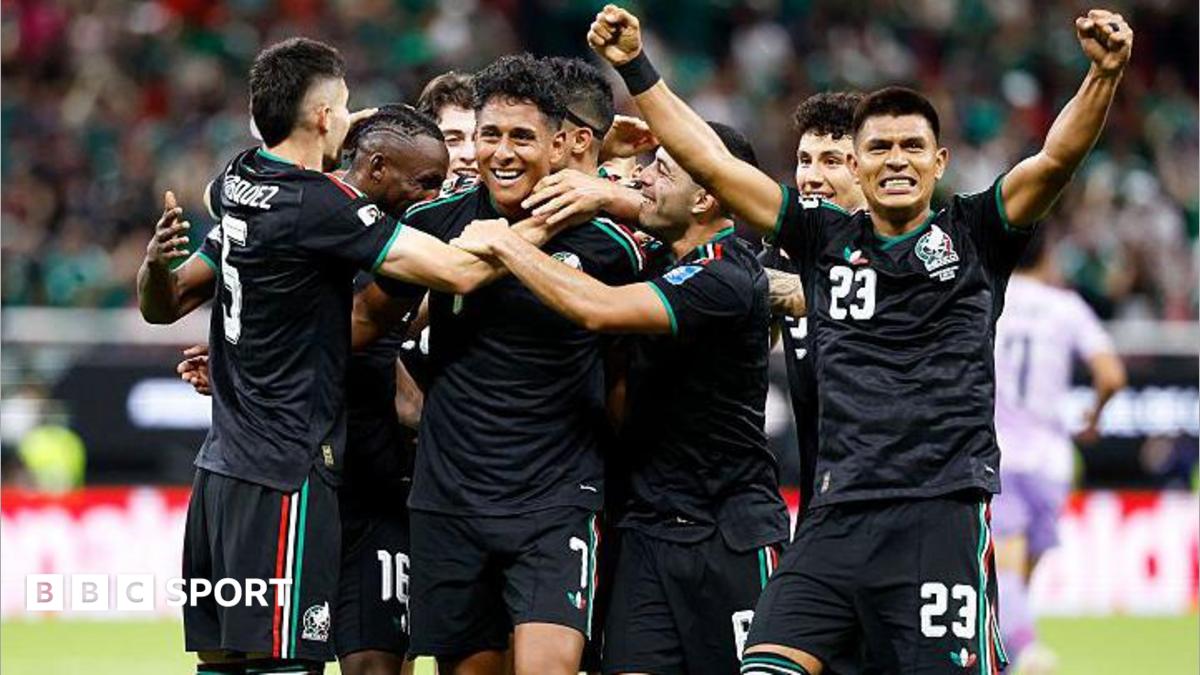
FIFA’s Head-to-Head Tiebreaker: Reshaping the 2026 World Cup Knockout Landscape
The 2026 FIFA World Cup introduces a significant strategic alteration: head-to-head results now supersede overall goal difference as the primary tiebreaker for teams level on points. This rule, adopted from UEFA practices, fundamentally changes group stage calculus, prioritizing direct contest outcomes over aggregate scoring. The shift compels a re-evaluation of risk-reward strategies and in-game decision-making, as evidenced by early eliminations of nations despite securing three points, such as Tunisia, Haiti, and Türkiye.
This new paradigm compels teams to focus not only on goal differentials but also on securing crucial wins against direct rivals. The strategic implications extend to coaching, player selection, and real-time tactical adjustments. For instance, teams may now prioritize players adept at one-on-one duels or tactical discipline over purely goal-scoring prowess against weaker opponents. This incentivizes a more direct, competitive approach from the outset of group play.
The operational impact on team management is profound. Performance analysts and coaching staffs must meticulously track head-to-head records alongside goal differences. This requires advanced data analysis and predictive modeling to inform tactical preparation and in-match decision-making throughout the group stage. The expanded 48-team format, with 16 advancing teams (top two plus eight best third-placed teams), amplifies the importance of these nuances.
Historically, FIFA tiebreakers have evolved, from goal ratio to goal difference. The current shift to head-to-head records emphasizes direct competitive outcomes as the definitive measure of parity, aligning with a broader trend in sports governance prioritizing contest integrity. This change could influence long-term development strategies, with youth academies potentially focusing more on players who excel in critical head-to-head scenarios.
Financially, early exits due to nuanced tiebreaker rules can impact broadcast rights and sponsorship deals. However, the increased strategic complexity and potential for dramatic outcomes can enhance overall fan engagement and broadcast appeal, as matches become more tactically rich and unpredictable. This recalibration of competitive leverage rewards teams adept at navigating direct confrontations.
The media narrative will increasingly focus on these direct duels and head-to-head statistics, fostering deeper tactical analysis. Ultimately, FIFA’s adoption of the head-to-head tiebreaker represents a deliberate effort to enhance competitive fairness and strategic depth, ensuring that direct contests carry maximum weight in tournament progression.
Photo by emilionav on Pixabay.