
Strategic Stewardship of Legacy Intellectual Property
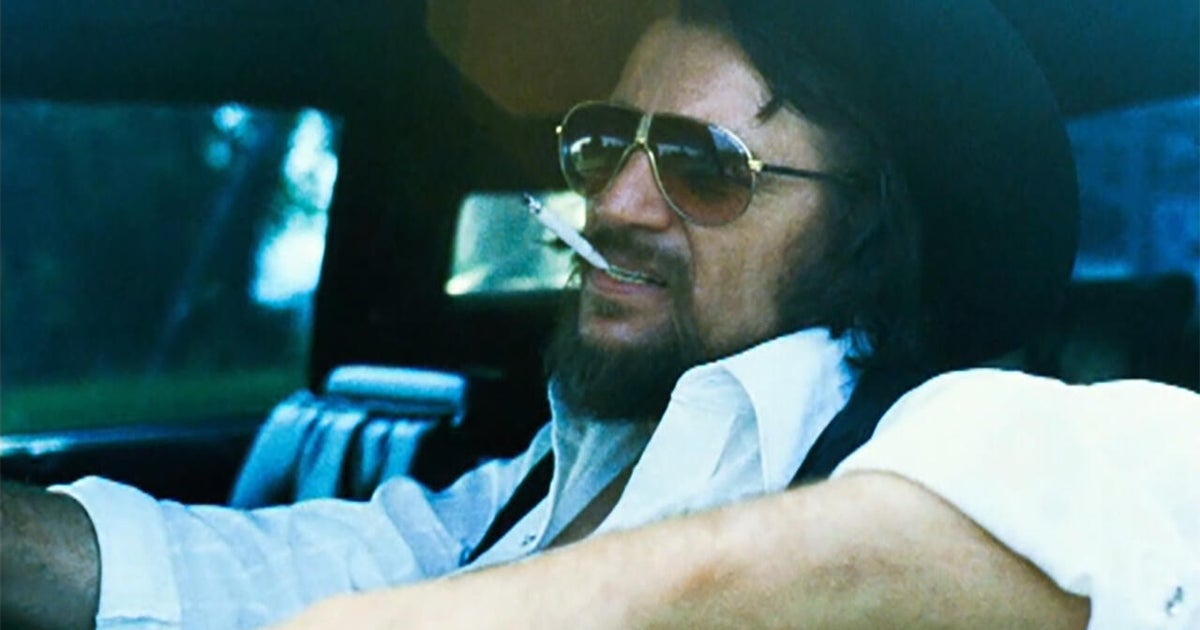
The release of Diamonds, featuring Glen Campbell, signals a paradigm shift in how the Waylon Jennings estate manages its intellectual property. By pivoting from passive licensing to active, producer-led curation, the Jennings estate is effectively re-positioning legacy assets as competitive, high-fidelity entries in the contemporary streaming market.
Shooter Jennings has evolved the role of heir into that of a specialized producer. By utilizing Sunset Sound—a facility central to the country outlaw movement—he preserves the sonic integrity of original 1978 sessions while optimizing them for modern audio standards.
Operationalizing the Vault
The estate’s approach treats archival material as a limited, high-value resource. By prioritizing raw, authentic recordings over digital reconstruction, the project maintains the stylistic DNA of the original outlaw sessions. The inclusion of foundational collaborators, such as drummer Richie Albright and songwriter Tony Joe White, provides an essential layer of historical authenticity that validates the project for both legacy fans and modern listeners.
Market Positioning and Competitive Edge
In a music market saturated with algorithmic content, the scarcity and curation of the Jennings catalog create a distinct competitive advantage. The estate’s decision to time releases around cultural milestones, such as Father’s Day, functions as a precision-marketing tactic to capture audience attention. By framing releases like Songbird and Diamonds as distinct, intentional albums rather than disparate tracks, the estate maintains a coherent narrative arc that encourages sustained listener engagement.
Institutional Implications and Brand Integrity
This project serves as a case study in cultural continuity. As the industry faces pressure to modernize, the Jennings estate demonstrates that legacy value is best preserved through high-rigor production rather than dilution. The personal, familial investment by Shooter Jennings functions as a quality control mechanism, shielding the artist’s brand from the corporate genericism often found in legacy management.
Financial and Structural Dynamics
The transition from static music catalogs to active, value-added revenue streams marks a maturation of intellectual property management. By treating archival material with the creative intensity of a new recording cycle, the estate effectively justifies its position in the premium tier of the streaming ecosystem. This ‘scarcity model’ underscores that the most effective way to monetize a historical catalog is through disciplined, project-based curation that emphasizes artistic excellence over volume.