Emergency Mitigation and Incident Command Execution
The fatal fall of a 51-year-old attendee at approximately 9:51 p.m. during the second night of a sold-out run by the rock band Goose at Madison Square Garden (MSG) highlights the critical operational demands placed on high-capacity venue safety systems. When the individual fell from an elevated level, the immediate activation of pre-planned emergency services became paramount. This incident offers a baseline for evaluating how venue operators, private security, and municipal first responders manage localized trauma events within high-density, high-decibel environments.
First responders from the New York City Police Department (NYPD) positioned inside the arena located the unconscious victim and initiated immediate emergency transport to Bellevue Hospital, where he was pronounced dead. The speed of this medical deployment demonstrates the value of having pre-positioned trauma assets inside major public assembly facilities. However, the fatal outcome also underscores the structural limitations of secondary medical intervention when dealing with high-velocity deceleration impacts from extreme elevations.
To secure the incident perimeter, MSG staff executed a rapid containment protocol, clearing at least seven rows of seating in the lower 100 level. This rapid extraction was critical to allow emergency medical technicians and forensic investigators unhindered access. Managing a localized scene of trauma without causing secondary crowd surges, visual distress, or exit-pathway bottlenecks requires precise, calm coordination among frontline stadium staff.
Vertical Architecture and Structural Risk Profiles in Historic Arenas
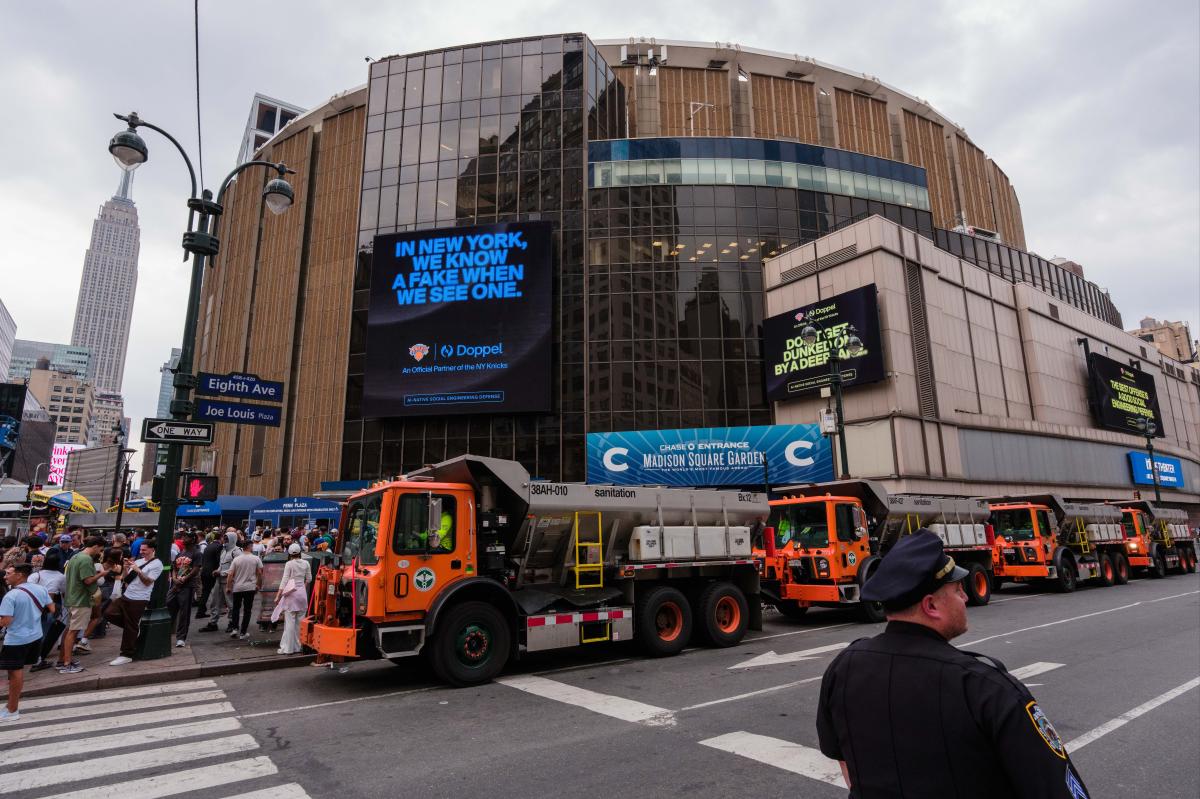
Madison Square Garden features a highly vertical seating configuration composed of the 100, 200, and 300 levels, reaching heights comparable to a ten-story building. While this design optimizes seating capacity and maintains intimate sightlines for performances, it increases the vertical drop risk. The architectural transition from the upper tiers to the lower bowl creates steep sightlines that rely on physical barriers as the primary defense against gravity-related accidents.
Witness accounts describing the aftermath of the fall highlight the physical realities of high-altitude impacts. This event reopens critical industry discussions regarding the safety thresholds of guardrail heights, the slip-resistance of concrete stairwells, and the structural geometry of upper-deck seating. In older, historically preserved venues that have undergone extensive modern renovations, upgrading safety features to exceed current municipal building codes while maintaining the building’s footprint remains an ongoing engineering challenge.
Modern crowd-safety engineering emphasizes that physical barriers must account for human factors, such as accidental loss of balance, crowd surges, or temporary physical impairment. Reviewing structural containment designs—such as raising guardrail heights, utilizing angled glass barriers, or installing horizontal safety netting—remains a key preventative strategy for multi-tiered entertainment facilities globally.
Crisis Crowd Management and Operational Continuity Decisions
Managing an in-event fatality presents complex operational dilemmas for venue operators. The decision to isolate the immediate incident zone by clearing seven seating rows, rather than halting the performance immediately, reflects established crowd-control strategies. Abruptly stopping a major concert can trigger mass confusion, rapid egress, and localized panic, potentially blocking access routes for incoming emergency vehicles.
The integration of private security teams, local law enforcement, and municipal health workers is governed by structured Incident Command Systems (ICS). At MSG, the swift NYPD response and orderly victim transport indicate that unified command structures functioned as designed. Nevertheless, executing emergency protocols under concert conditions—low lighting, high-decibel audio, and thousands of distracted patrons—presents an ongoing vulnerability for arena logistics.
While the band Goose continued their performance as the crisis was managed in the lower bowl, the decision-making process highlights the division of responsibility between artistic performance and venue operations. Crowd safety experts generally support localized containment over sudden event cancellation to preserve orderly exit paths and keep emergency lanes clear.
Premises Liability, Insurance, and Risk Apportionment
From a legal standpoint, a fatal fall in a commercial venue triggers intense scrutiny under premises liability doctrines. Venue owners and operators owe a duty of care to invitees, requiring them to maintain a structurally sound environment free from foreseeable hazards. Forensic investigations typically focus on whether physical infrastructure met or exceeded the building codes in effect at the time of construction or last major renovation.
Liability apportionment in high-capacity arenas is complex, involving the venue owner, the event promoter, and occasionally the performing artist’s production company depending on contractual indemnification clauses. Insurance underwriters analyze these structural risk factors when pricing liability coverage. A venue’s historical safety record, emergency response performance, and compliance with industry standards directly dictate its operational insurance premiums.
Beyond civil litigation, regulatory bodies like the Occupational Safety and Health Administration (OSHA) or municipal building departments may initiate independent investigations. Adverse findings can result in mandated retrofits, severe financial penalties, and long-term reputational damage. Consequently, proactive risk-mitigation audits are a operational necessity for high-capacity venue operators.
Artist Communication Dynamics and Crisis Management
In the aftermath of the incident, Goose—comprising Rick Mitarotonda, Trevor Weeks, Peter Anspach, and Cotter Ellis—released a public statement expressing deep condolences. This rapid, empathetic digital communication represents standard crisis management protocol, acknowledging the tragedy while praising the swift actions of first responders and venue staff. For touring artists, navigating a fan tragedy requires a careful balance of public empathy and legal caution.
Because social media platforms allow eyewitness accounts and unverified details to spread rapidly, professional communications teams must work quickly. Clear, factual statements from official venue and band channels are necessary to counteract speculation regarding the circumstances of the fall. Controlling the public narrative is essential to respect the privacy of the deceased’s family while maintaining public trust in the venue’s overall safety operations.
Regulatory Standards and Future Building Code Adaptation
Municipal building codes in high-density urban areas like New York City mandate strict safety parameters for public assembly spaces. These codes govern everything from the exact height and structural load capacity of handrails to aisle slope ratios and emergency exit illumination. Following a fatal fall, regulatory authorities review these requirements to assess if existing codes are sufficient to protect the public during modern, high-energy events.
Historically, significant changes in public safety codes have been driven by high-profile incidents. While older venues are often grandfathered under historic building standards, substantial renovations usually trigger modern compliance requirements. The tension between preserving architectural heritage and implementing highly visible safety retrofits remains a central debate for architects and municipal inspectors.
Ultimately, the conclusions of the NYPD investigation and subsequent regulatory assessments will influence how building codes are applied to multi-tiered arenas. If structural issues are identified, it could lead to new industry mandates for increased barrier heights, impact-absorbing surfaces, or protective netting in high-elevation seating zones, reshaping the economics of live entertainment venue design.