
Norway’s re-entry into the FIFA World Cup after a twenty-eight-year absence transcends athletic achievement; it represents a comprehensive structural realignment of the nation’s sporting identity and global cultural export strategy. This nearly three-decade hiatus created a generational experience vacuum, positioning the 2026 qualification cycle as a critical inflection point for the Norwegian Football Federation (NFF) and its commercial ecosystem.
The institutional magnitude of this return was validated by the Norwegian Parliament, or Stortinget, which executed a synchronized Viking rowing demonstration to signal state-level endorsement. This high-level political engagement suggests that the World Cup campaign is being utilized as a vehicle for national cohesion and international soft power projection, evolving beyond traditional sports governance into a tool of diplomatic branding.
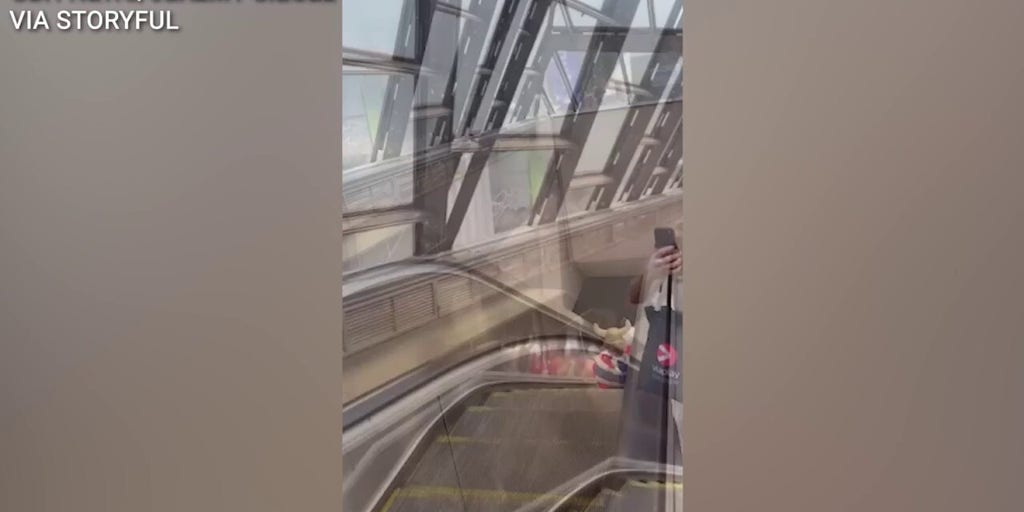
In the United States, the viral manifestation of Norwegian fan culture—specifically the synchronized escalator rowing at Boston’s South Station—illustrates the efficacy of decentralized brand activation. This organic deployment of the Viking motif serves as a high-visibility, low-marginal-cost marketing asset, strengthening Norway’s cultural footprint in the North American market during a period of peak global attention.
Institutional Alignment and Political Statecraft
The Stortinget’s symbolic rowing gesture reflects a strategic integration of athletics and statecraft. By aligning the legislative body with the national team’s trajectory, the government reinforces the sports sector’s utility as a pillar of national prestige and social stability. Such involvement typically serves as a precursor to shifts in public policy regarding infrastructure investment and youth academy funding, providing a mandate for the NFF to pursue long-term structural reforms that were neglected during the qualification drought.
Economic Recalibration and Market Liquidity
The prolonged absence from global tournament play historically suppressed the commercial ceiling for domestic football, impacting broadcast valuations and kit manufacturing contracts. The 2026 cycle introduces a massive injection of liquidity; FIFA participation fees and elevated sponsorship tiers allow for the replenishment of reserves strained during non-qualification years. Market analysts anticipate a domestic multiplier effect, with increased consumer spending in sports apparel, media subscriptions, and hospitality driven by a population engaging with the tournament for the first time in a generation.
Fan-Led Tactics and the Viral Economy
The Boston South Station incident serves as a case study in modern media dynamics, where fan-led initiatives outperform traditional top-down advertising. By utilizing public infrastructure for culturally specific performance art, Norwegian supporters effectively hijacked social media algorithms. In the fragmented US sports market, this distinct Viking imagery provides a recognizable brand identity that differentiates Norway from its competitors, reducing the logistical burden on host cities by replacing potential friction with disciplined, communal celebration.
Competitive Benchmarks: Germany, Ivory Coast, and the Netherlands
While cultural displays capture headlines, the competitive reality is dictated by the performances of established powers. The tactical discipline shown by the Netherlands and the physical evolution seen in the Germany-Ivory Coast encounter provide the benchmarks Norway must meet. For the Norwegian squad, the challenge lies in transitioning from the ‘institutional trauma’ of past failures to a performance-driven objective, ensuring their return is a sustained re-entry into the elite tier of global football rather than a brief cameo.

Photo by Zachtleven on Pixabay.