The 2026 World Cup fixture between Paraguay and Turkey in Santa Clara served as a definitive case study in defensive structural integrity and the immediate consequences of evolving FIFA disciplinary mandates. Paraguay’s 1-0 victory, achieved under extreme tactical duress, eliminated Turkey from knockout contention and established a significant regulatory precedent. This result fundamentally recalibrated the competitive architecture of Group D, confirming the United States as group winners and setting a high-stakes qualification decider between Paraguay and Australia.
Tactical Leverage via Early Capitalization
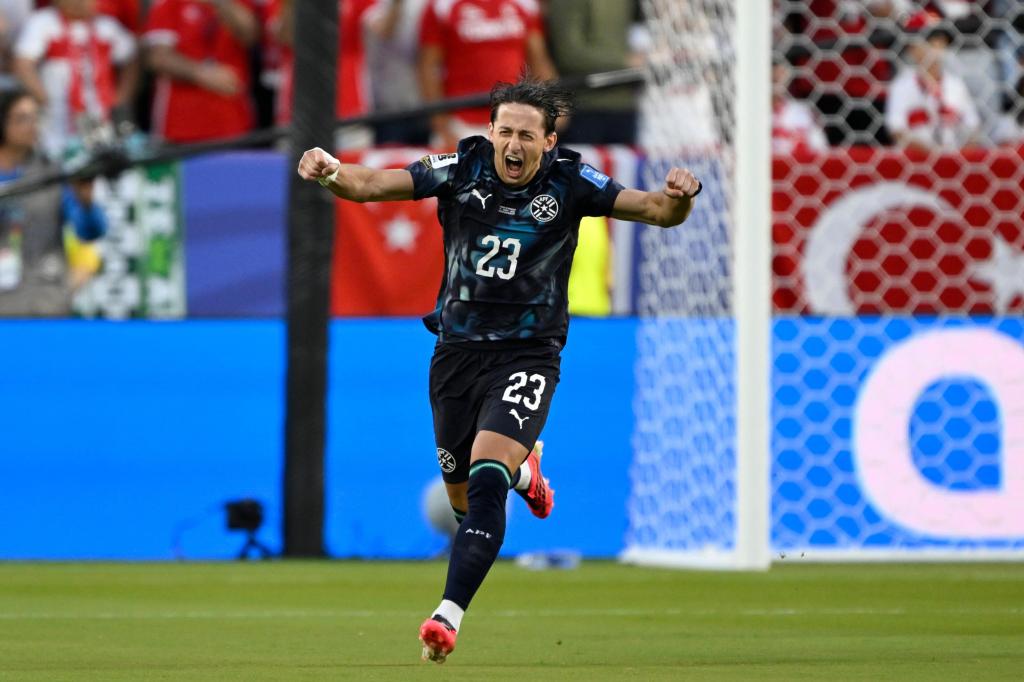
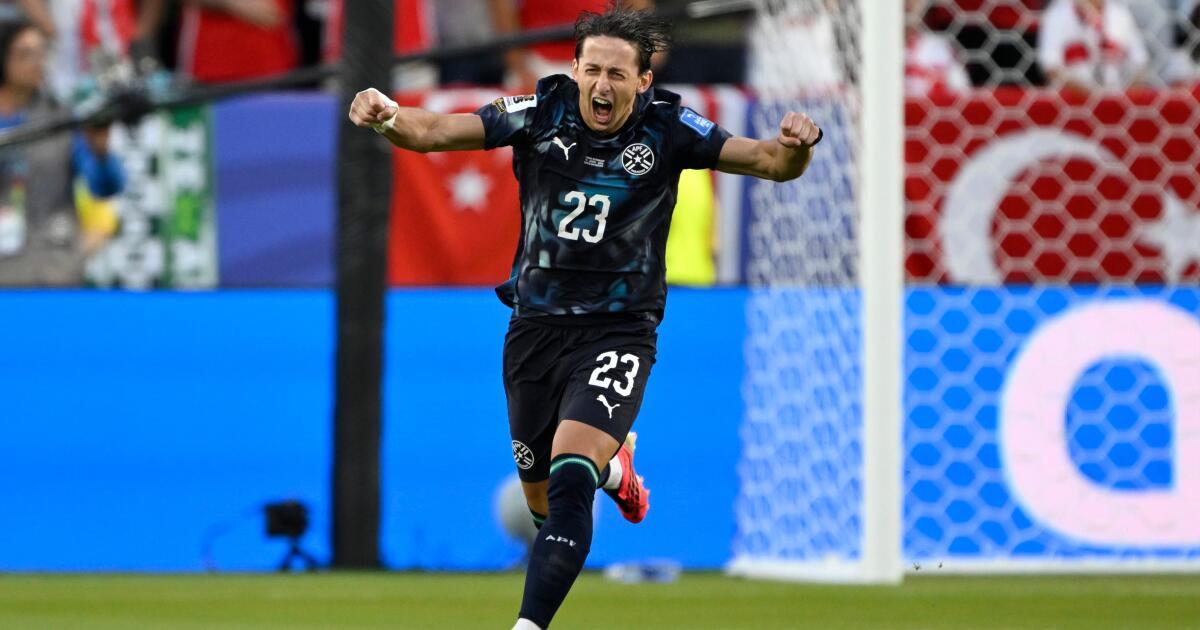
Matías Galarza’s opening goal at the 65-second mark—the fastest strike of the tournament—functioned as the critical pivot for Paraguay’s tactical blueprint. By securing an immediate lead, Gustavo Alfaro’s side gained the psychological leverage necessary to transition into a mid-block defensive posture. This forced Turkey to overextend their lines, leaving them vulnerable to the transitions Alfaro prioritized in his lineup adjustments following their previous defeat to the United States.
For Galarza, an Atlanta United representative, the goal serves as a high-visibility performance marker within the MLS ecosystem. The timing effectively neutralized Turkey’s pre-match planning, forcing an immediate shift in offensive urgency that eventually led to a lopsided shot count. In tournament football, where momentum dictates survival, Galarza’s strike provided the essential insurance policy against the numerical disadvantage that defined the second half.
Regulatory Disruption: The Almirón Precedent
The dismissal of Miguel Almirón late in the first half marks a watershed moment in the institutional governance of on-pitch behavior. Almirón became the first player in World Cup history to receive a red card under the newly implemented regulation prohibiting players from covering their mouths during confrontations. This enforcement signals a shift toward total transparency, aimed at facilitating lip-reading for disciplinary reviews and curbing verbal abuse obscured by gestures.
The operational impact of this rule change introduces a new layer of risk management for coaching staffs. Almirón’s exit forced Paraguay into a 45-minute defensive siege, testing the team’s structural discipline. This historic red card serves as a warning that FIFA’s commitment to this specific regulatory standard is absolute, carrying the potential to derail the campaigns of key players and their respective nations.
Statistical Divergence and Low-Block Efficiency
The second half illustrated a profound divergence between offensive volume and clinical efficiency: Turkey registered 32 shots against Paraguay’s seven. This statistical disparity highlights a systemic failure in Turkey’s final-third execution and a masterclass in low-block organization by the Paraguayan backline. Despite the volume of attempts, the quality of Turkey’s chances was consistently mitigated by the positioning of Orlando Gill, whose performance between the posts became the primary stabilizing factor.
Gill’s interventions were strategically essential in maintaining a psychological barrier against a Turkish onslaught that grew increasingly frantic. The ability to withstand 32 shots while playing with ten men validates Gustavo Alfaro’s defensive philosophy, which prioritizes spatial control and shot-blocking over possession when faced with a numerical deficit.
Institutional and Group D Implications
Turkey’s elimination carries significant financial and reputational consequences for their federation, likely triggering an internal review of their technical direction. Conversely, the victory provides the Paraguayan Football Association with renewed competitive relevance. Meanwhile, the United States secures the top spot in Group D, a development that carries immense weight for the host nation’s momentum and bracket positioning.
The upcoming fixture between Paraguay and Australia stands as the final decider for the group’s knockout representation. While Almirón’s absence remains a strategic hurdle, Paraguay holds the psychological advantage of having survived a sustained period of pressure. For FIFA, the Santa Clara match validated the impact of new regulatory frameworks on match outcomes, forcing all remaining participants to adapt to the ‘Almirón precedent’ or risk similar disciplinary fallout.