World Cup Day 9: Strategic Showdowns and Knockout Aspirations Intensify
Day 9 of the 2026 FIFA World Cup features pivotal group stage encounters, with the United States Men’s National Team (USMNT) facing a crucial match against Australia. This fixture is critical for the USMNT’s progression, offering a potential pathway to secure a knockout-round berth and even top Group D, depending on other results.
USMNT’s Strategic Position for Knockout Qualification
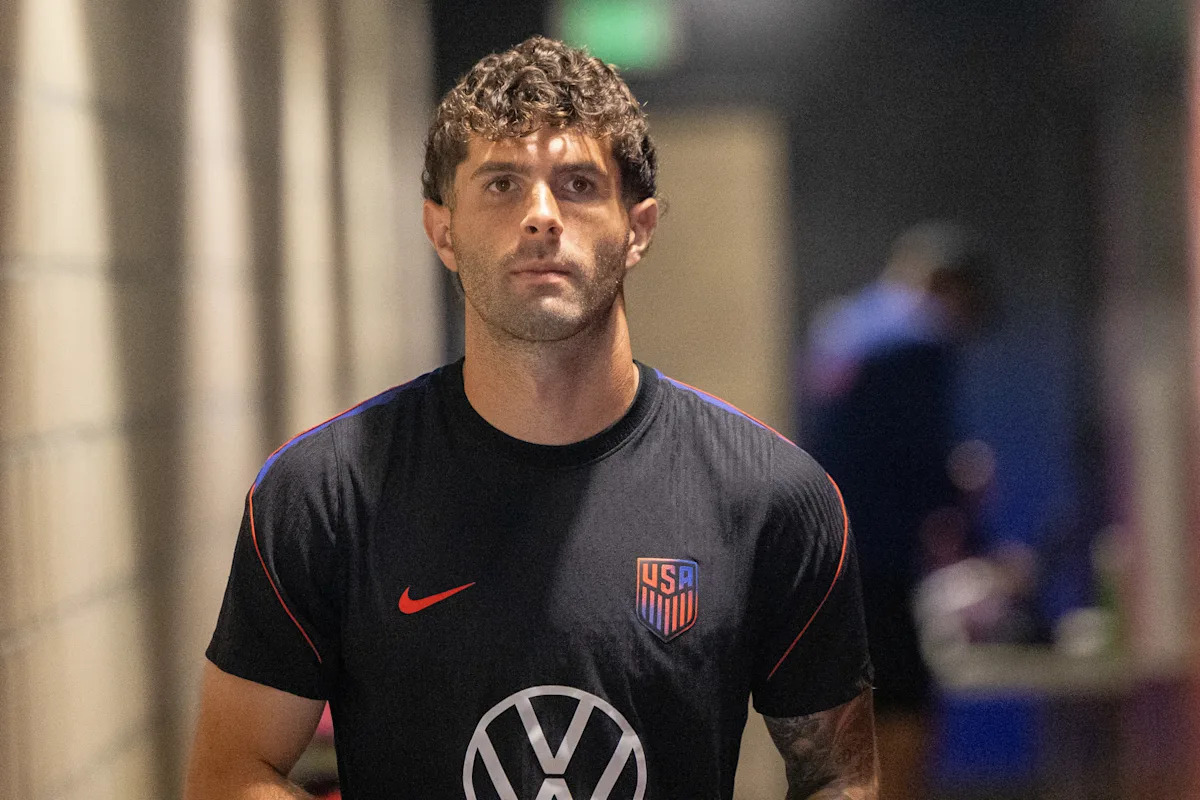
The USMNT enters its fixture against Australia with momentum from a decisive 4-1 victory over Paraguay, highlighted by Folarin Balogun’s performance. Australia, also a winner against Türkiye, poses a significant challenge, demanding strategic precision from the USMNT. The availability of Christian Pulisic, listed as day-to-day, presents an operational consideration, potentially requiring tactical adjustments to maintain offensive fluidity and exploit wide-attacking strengths, exemplified by Sergiño Dest’s forward positioning.
A USMNT victory would solidify their standing and demonstrate the efficacy of their offensive strategy, particularly their ability to utilize width. This performance could influence future tactical decisions and player roles, underscoring the value of dynamic fullbacks in advanced positions. Given Group D’s competitive balance, securing maximum points now is paramount to avoid late-stage group pressure.
Brazil’s Quest for Recovery and Championship Pedigree
Five-time champions Brazil face Haiti following a disappointing 1-1 draw against Morocco in their opening match. This encounter is vital for Brazil to recalibrate its campaign and assert its championship pedigree. The pressure to secure a win is substantial, impacting team morale and strategic confidence.
Brazil’s performance against Haiti will be analyzed for tactical coherence and offensive execution. A strong showing is necessary to dispel doubts and reassert their status as tournament contenders. The outcome will influence betting markets, media narratives, and psychological advantage for subsequent matches, particularly if they are to navigate a difficult path to the tournament’s latter stages.
Group C Dynamics: Scotland vs. Morocco and Underdog Battles
Group C presents compelling narratives, with current leader Scotland facing Morocco. This match is a significant test for both sides, as Morocco aims to build on their draw against Brazil, and Scotland seeks to consolidate its leading position. Strategic implications extend to potential knockout-stage opponents, making group placement a key consideration.
In Group D, Türkiye and Paraguay face a must-win scenario, both seeking their first points after initial setbacks. These matches underscore the inherent pressure and unpredictability of the group stages, where early losses can drastically alter team trajectories and strategic objectives. The competitive balance suggests these teams will play with heightened intensity, potentially leading to upsets and influencing overall group standings.
Analytical Insights: Algorithmic Predictions and Expert Analysis
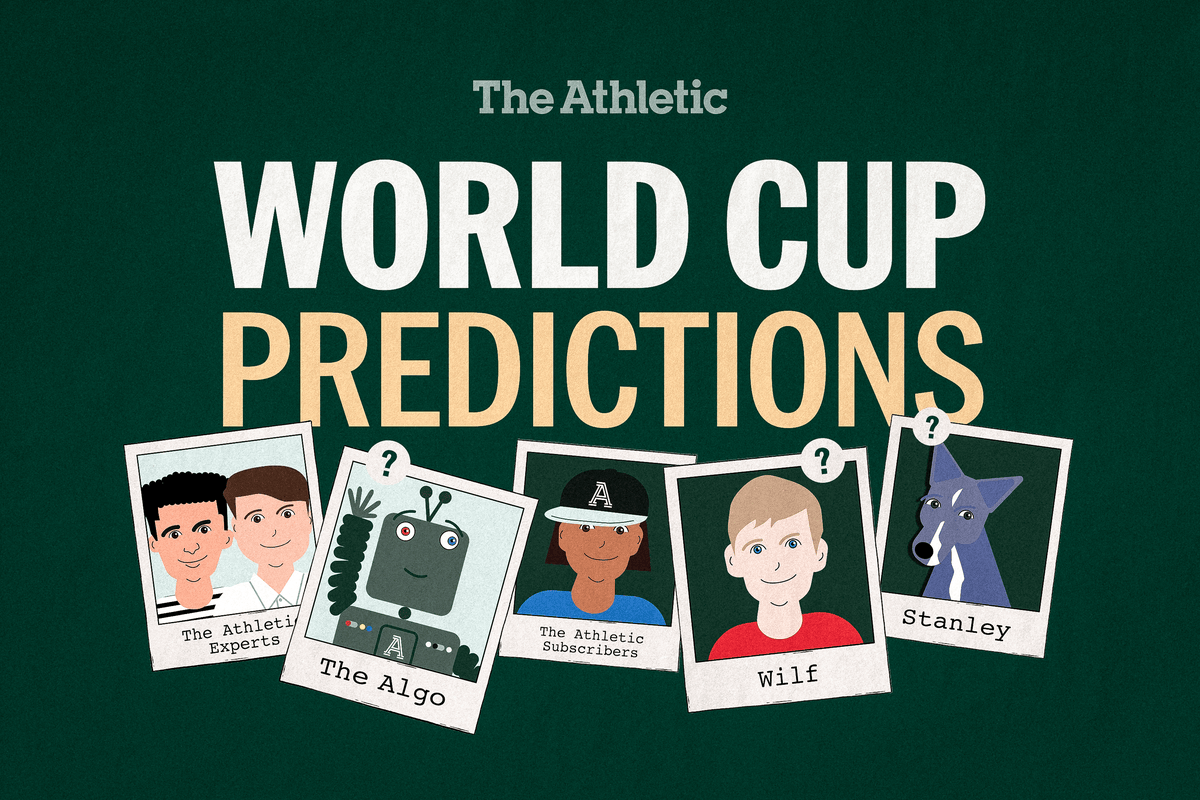
The tournament’s coverage is enhanced by analytical tools such as “Algo,” The Athletic’s predictive algorithm, which complements insights from human experts and guest subscribers. This integration of data-driven analysis with traditional punditry reflects a broader trend in sports media, aiming for multi-faceted perspectives on match outcomes and team performances.
The combination of algorithmic predictions and human expertise offers a unique analytical lens. It signifies a growing reliance on quantitative analysis to inform strategic decision-making and public perception. The interplay between predictive models and human forecasters, including subscribers like Jayden from Canada, adds an engaging dimension for the audience, highlighting the evolving nature of sports commentary.
Operational and Strategic Considerations for Match Day
The scheduling and broadcast of these matches across FOX and FS1, with streaming on FOX One, ensure broad accessibility. The strategic placement of key fixtures, such as the USMNT vs. Australia game in Seattle and Brazil vs. Haiti in Philadelphia, leverages major sporting venues and markets to maximize viewership and fan engagement.
Furthermore, the focus on specific players like Sergiño Dest highlights tactical nuances that can influence match outcomes. This emphasis on individual player roles and potential impact underscores the intricate strategic planning at the coaching level, shaping the competitive environment and team narratives.
Downstream Implications for Tournament Trajectory and Seeding
Day 9 results will significantly influence the downstream trajectory of the 2026 World Cup. A strong USMNT performance could elevate national expectations and bolster confidence for subsequent matches, potentially impacting their seeding in later rounds. Conversely, a setback would introduce pressure and necessitate strategic recalibration.
For Brazil, a decisive victory would restore faith in their championship aspirations and influence their psychological preparedness for tougher opponents. Continued struggles, however, could increase scrutiny and affect their perceived threat level. Outcomes in Group C, particularly Scotland vs. Morocco, will also shape that group’s dynamics, influencing potential knockout pairings and the tournament’s overall competitive balance.
Competitive Ecosystem and Evolving Media Narratives
The interplay between on-field results and media interpretation is a critical component of the World Cup ecosystem. Narratives surrounding team performances, amplified by expert analysis and algorithmic insights, shape public perception and fan engagement. The Athletic’s model, featuring writer vs. subscriber and algorithmic predictions, exemplifies this evolving media landscape.
Competitive pressure extends beyond the pitch, influencing team perception and strategy dissection. The success or failure of teams like the USMNT and Brazil to meet expectations, as judged by experts and algorithms, can impact their marketability, sponsorship appeal, and long-term brand positioning globally. This dynamic underscores the multifaceted nature of modern sporting events, where athletic performance intertwines with media strategy and commercial interests.
Structural Pressures and Strategic Imperatives in Group Play
The second round of group play inherently intensifies structural pressures. Early successes, like the USMNT’s, can foster team cohesion and strategic confidence but also raise expectations, making underperformance more scrutinized. Conversely, teams like Türkiye and Paraguay, having suffered opening losses, face immense pressure to salvage their tournament hopes, often necessitating a more aggressive, higher-risk strategic approach.
This contrasting pressure dynamic is a fundamental driver of the tournament’s drama and unpredictability. The need for immediate results can force tactical shifts, impacting game outcomes and group standings significantly.
Capital Movement, Stakeholder Impact, and Market Dynamics
The performance of major teams like the USMNT and Brazil has significant indirect impacts on capital movement within the sports industry. Strong performances boost merchandise sales, increase broadcast rights valuations, and attract greater sponsorship investment. Conversely, early exits or underperformance can dampen these financial flows.
Stakeholders, including federations, broadcasters, sponsors, and betting platforms, keenly observe these matches. The USMNT’s potential to advance and Brazil’s need to recover create substantial interest for North American and global audiences, respectively. Outcomes directly influence revenue streams and future investment decisions across the soccer value chain.
Performance Leverage and Future Tournament Trajectories
The concept of performance leverage is acutely relevant on Day 9. For the USMNT, a win against Australia is a significant leverage point, propelling them toward the knockout stages and potentially boosting confidence against tougher opponents. This early success can create a virtuous cycle, enhancing team performance and strategic execution.
For Brazil, leverage lies in their ability to rebound. A convincing win against Haiti would demonstrate resilience and tactical acumen, re-establishing credentials and providing positive momentum. Strategic decisions made by coaches in response to current standings and player availability will dictate how effectively this leverage is utilized, shaping their respective tournament trajectories and long-term competitive positioning.
Institutional Strategy, Data Analytics, and Media Context
The institutional strategy of national football federations is evident during the World Cup. The USMNT’s preparation and tactical approach reflect years of development and investment, aiming to maximize competitive potential. The media context, with outlets like The Athletic providing in-depth coverage and analytical tools, shapes public understanding and engagement with these institutional efforts.
The integration of algorithmic predictions alongside human analysis signifies a broader institutional shift towards data-driven decision-making in sports. This approach provides a more objective assessment of team strengths and weaknesses, influencing coaching strategies and fan expectations. The success of such analytical frameworks can also impact future media rights negotiations and sponsorship deals, as data-driven insights become increasingly valuable commodities.
Cultural Significance, Fan Engagement, and National Identity
The World Cup transcends mere sporting competition, acting as a significant cultural event that unites nations and fosters pride. The USMNT’s performance resonates deeply within the United States, influencing public discourse and national identity. Brazil’s participation carries immense cultural weight, reflecting the nation’s deep-rooted passion for football.
Fan engagement is a critical driver of the tournament’s success, influencing broadcast viewership, social media trends, and economic activity in host cities. Strategic scheduling, including the USMNT’s prominent slot, is designed to maximize this engagement. The narrative of underdog stories further captivates audiences, demonstrating the universal appeal of competitive struggle and the potential for unexpected triumphs.
Evolving Predictive Models and the Quest for a Competitive Edge
The introduction of “Algo” by The Athletic represents an evolving competitive edge in sports journalism and analysis. By integrating advanced computational models with expert human insight, such platforms aim to offer more nuanced and potentially accurate predictions, influencing how fans and professional teams approach game analysis.
This technological integration into sports prediction highlights a growing trend where data analytics and artificial intelligence are becoming indispensable tools. The effectiveness of these algorithms will be continuously assessed throughout the tournament, potentially setting new benchmarks for sports forecasting and influencing investment in similar technologies by other media organizations and sports entities seeking an advantage.
Strategic Recalibration and the Dynamic Evolution of Tournament Play
The outcomes of Day 9 matches will necessitate strategic recalibration for the teams involved and potentially for their future opponents. A win for the USMNT solidifies their current strategy, while a loss would demand immediate tactical adjustments. For Brazil, the imperative is clear: a significant strategic shift is required to achieve the desired results.
The tournament’s evolution is directly shaped by these on-field decisions and their consequences. Teams that adapt effectively to changing circumstances, player availability, and opponent strategies are more likely to progress. This dynamic process of adaptation and recalibration is a hallmark of high-level competitive environments like the World Cup, where marginal gains can determine ultimate success.