
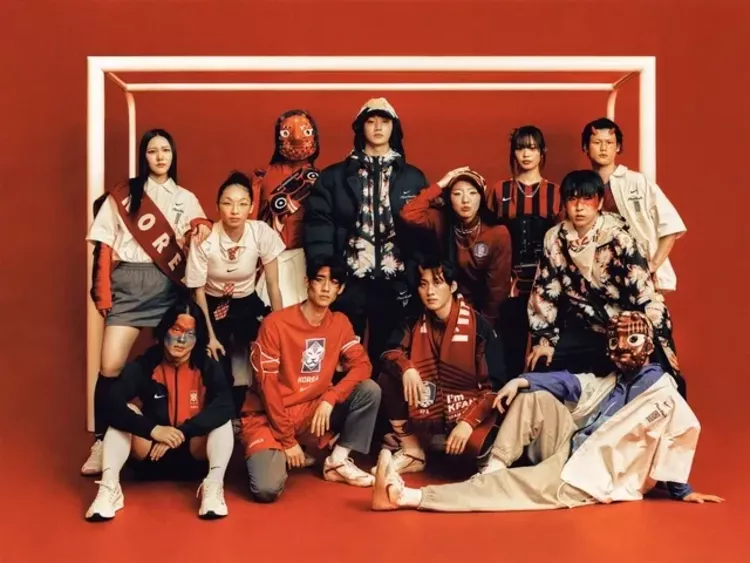
2026 World Cup Merchandise: A Strategy for Fan Engagement and Brand Growth
The official merchandise for the 2026 FIFA World Cup, scheduled for June 11 to July 19, 2026, across the United States, Canada, and Mexico, is now available. This proactive commercial launch aims to capture global fan interest and embed the tournament’s brand into consumer markets well in advance.
The product rollout, featuring items like scarves, jerseys, and mascot figures, signifies FIFA’s strategy to leverage the World Cup as a sustained brand extension. This approach converts spectator enthusiasm into tangible revenue, underscoring the tournament’s economic significance beyond traditional streams like broadcasting rights and sponsorships.
Strategic Merchandising and Pricing
Merchandise is strategically placed within Fan Festivals, offering direct access to a highly engaged audience. This placement transforms festival experiences into immediate commercial opportunities, allowing fans to associate tangible products with their event memories.
The pricing strategy, with scarves at $40, mascot figures at $30, and jerseys/t-shirts starting at $70, caters to a broad spectrum of consumer spending. This tiered approach maximizes market penetration by appealing to both impulse buyers and those seeking more significant purchases.
Digital Strategy and Market Reach
Official FIFA World Cup 2026 online platforms provide critical digital-first accessibility, reaching a global audience and transcending geographical limitations for broader market capture. Prices may vary based on shipping logistics.
An observed 840% surge in internet searches for 2026 World Cup merchandise post-launch demonstrates significant pent-up demand and the effectiveness of early product visibility. This data highlights the strong correlation between event anticipation and consumer purchasing intent, informing future marketing strategies.
Fashion Influence: WAGs and Lifestyle Branding
The 2026 World Cup is poised to amplify the convergence of football and fashion. The phenomenon of ‘WAGs’ (Wives and Girlfriends of professional footballers), evolving since its popularization at the 2006 World Cup, continues to shape contemporary style trends.
Figures like Tolami Benson and Gabrielle Figueiredo exemplify a modern aesthetic blending high fashion with sportswear, subtly influencing consumer perceptions and brand desirability within the football ecosystem. This trend extends beyond personal style to impact broader cultural narratives associated with the sport.
The resurgence of early 2000s fashion, such as pairing jerseys with denim shorts, directly reflects the aesthetic popularized by the original WAGs. This cyclical trend underscores the enduring impact of these figures on fashion and their role in linking athletic performance with lifestyle branding.
The ‘Luxury Tribune’ style, characterized by designer accessories and refined attire, sets an aspirational benchmark. This elevated fashion presence within the stadium environment contributes to the tournament’s glamour and broadens its appeal to audiences interested in the lifestyle aspects of football.
Institutional Brand Management and Revenue Diversification
FIFA’s merchandising strategy for the 2026 World Cup reflects a sophisticated approach to brand management and revenue diversification. The wide product array aims to solidify brand presence and foster deeper fan connections globally.
The proactive merchandise release and digital sales focus are strategic for maximizing the tournament’s commercial lifespan, extending brand reach and revenue potential beyond the event. This creates sustained economic value.
The balanced pricing structure, offering both affordable and premium options, is designed to appeal to diverse consumer segments. This inclusive tactic cultivates a broad fan base and ensures widespread brand adoption across socioeconomic demographics.
The significant increase in online searches validates the effectiveness of early marketing and product availability, providing crucial insights into consumer behavior for future commercial strategies.
Integrating fashion trends, notably the influence of WAGs, into the World Cup’s branding narrative broadens its appeal beyond traditional football enthusiasts. This enhances the tournament’s cultural relevance by attracting a fashion-conscious demographic.
This multifaceted strategy—encompassing product availability, digital accessibility, and cultural trend integration—positions the 2026 FIFA World Cup as a significant commercial entity. It underscores the evolving landscape of sports marketing, where fan engagement, lifestyle branding, and direct-to-consumer sales are paramount.
The success of these merchandising initiatives is intrinsically linked to the FIFA World Cup’s prestige and global appeal. FIFA’s ability to translate this prestige into commercial success through product sales demonstrates its robust brand equity and strategic market positioning.
The tournament’s expansion across the United States, Canada, and Mexico presents unique distribution and market penetration opportunities. Tailoring offerings to regional cultural nuances and consumer preferences will be crucial for optimizing sales and fan engagement across North America.
The dual-channel approach—online sales combined with physical retail in Fan Festivals—caters to diverse shopping habits, ensuring maximum reach and convenience for fans acquiring official memorabilia.
The surge in online searches indicates a strong initial market response, confirming the success of early product launch and marketing efforts in generating consumer interest and building momentum for sustained sales.
The evolving ‘WAG’ phenomenon and its integration into World Cup fashion discourse highlight a cultural shift. Sports figures and their associated lifestyles increasingly influence popular culture and consumer trends, opening new avenues for brand partnerships and merchandise appeal.
Strategic pricing, ranging from affordable accessories to higher-priced apparel, encourages broad participation in the event’s commercial aspect. This tiered model ensures fans across various income levels can engage with the brand and acquire tangible tournament mementos.
Ultimately, the 2026 FIFA World Cup’s merchandising strategy is a critical component of its commercial architecture. It generates revenue, reinforces brand identity, deepens fan loyalty, and extends the tournament’s cultural and economic impact.

Photo by jorono on Pixabay.