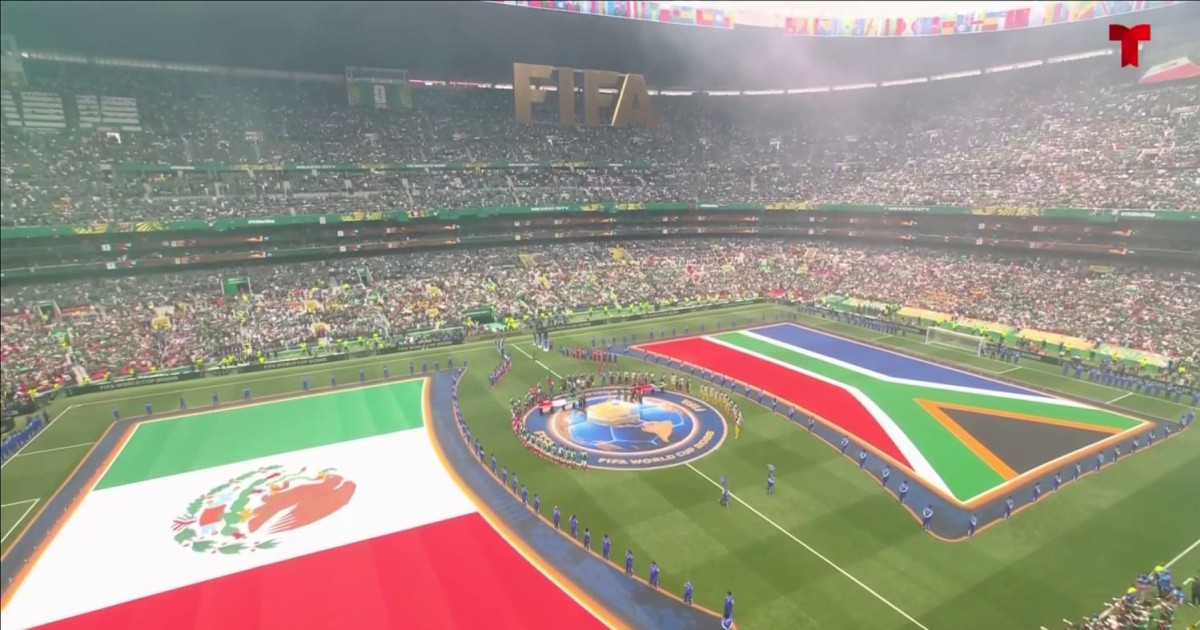
The inauguration of the 2026 FIFA World Cup in Mexico City transcends a mere sporting spectacle, establishing a new paradigm for integrating sophisticated cultural diplomacy with potent commercial strategy. By strategically deploying globally recognized figures like Salma Hayek and Alejandro Fernández at the vanguard of its inaugural ceremonies, organizers have signaled a profound pivot towards a narrative-driven, soft power approach to tournament branding and host nation representation.
Cultural Diplomacy & Global Resonance: Salma Hayek’s Strategic Ambassadorship
The appointment of Salma Hayek Pinault as an Official FIFA World Cup 2026 Ambassador, formalized in December 2025, represents a meticulously calculated maneuver to leverage significant cultural capital. Her central role in the opening ceremony at the Estadio Azteca functions as a strategic anchor, utilizing her established international profile to imbue the tournament’s cultural identity with global resonance and crossover appeal beyond traditional football demographics.
This institutional alignment transcends conventional celebrity endorsement, operating instead as a sophisticated mechanism for cultural mediation. Hayek’s dual heritage—rooted in Mexico, yet globally prominent in Hollywood—allows FIFA to strategically bridge the host nation’s identity with a diverse, multigenerational international audience. This choice effectively mitigates the inherent complexities of cross-border representation within a tripartite tournament, centralizing Mexico’s cultural narrative through a universally recognizable figure.
The operational foresight behind Hayek’s involvement is underscored by her early appointment during the official draw. This proactive integration allowed for her image to be woven into the tournament’s promotional architecture over an extended period, ensuring the opening ceremony serves not as an isolated spectacle, but as the climactic activation of a year-long strategic rollout designed to maximize sustained global viewership and deep engagement with Mexico’s cultural brand.
National Identity & Strategic Authenticity: Alejandro Fernández’s Ceremonial Impact
Alejandro Fernández’s poignant rendition of the Mexican National Anthem at the Estadio Ciudad de México provides a crucial emotional and traditional counterweight to the opening ceremony’s high-gloss global production. For the host nation, this performance is a pivotal moment of national cohesion, powerfully reinforcing the intrinsic social contract between the national team and its fervent domestic supporter base.
The selection of Fernández, an icon synonymous with the preservation and evolution of Mexican musical traditions, strategically imbues the ceremony with deep cultural authenticity. This balance is vital for maintaining the tournament’s local legitimacy and connection to national heritage, while simultaneously presenting a polished, yet genuinely rooted, version of Mexican identity to a vast international broadcast audience.
From a strategic perspective, the anthem performance acts as a profound psychological catalyst. Its emotional resonance is meticulously designed to translate into an electrifying stadium atmosphere, a primary asset for host nations seeking to maximize home-field advantage through tangible psychological leverage over visiting teams and officials.
Direct-to-Consumer Monetization: Fernández as Brand & Entrepreneur
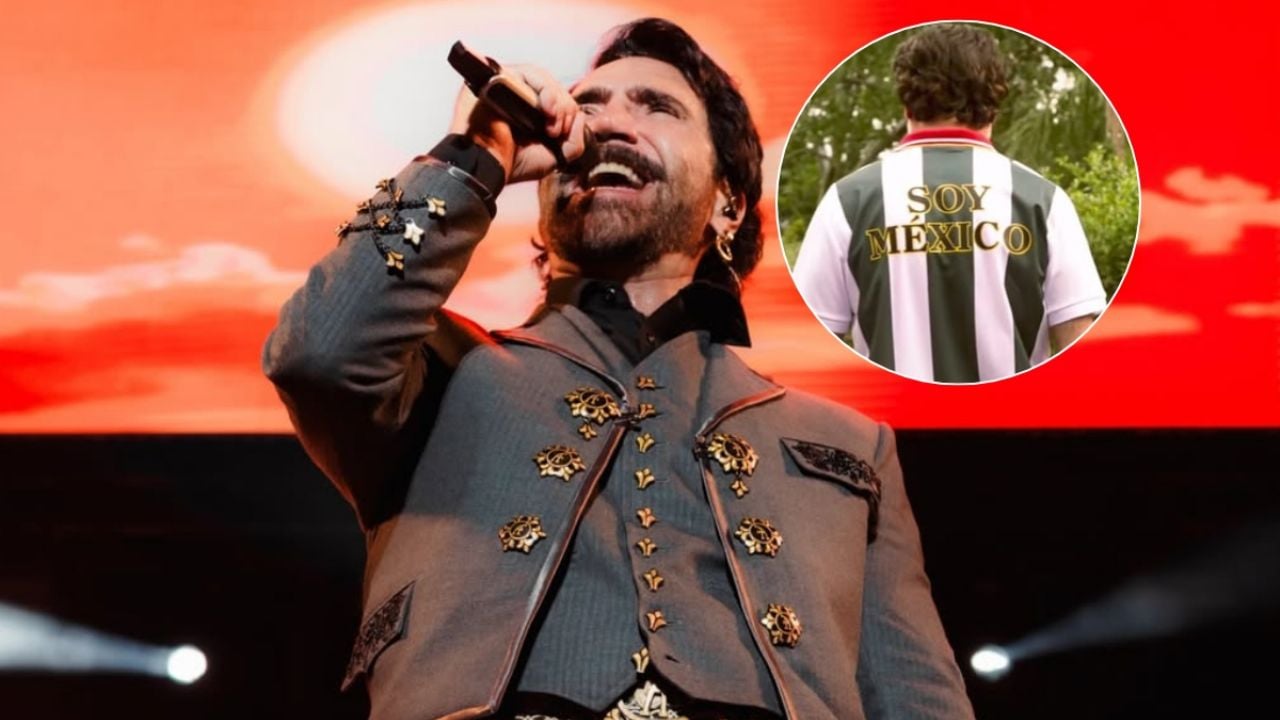
Beyond his ceremonial duties, Alejandro Fernández has demonstrated a sophisticated grasp of market timing and celebrity-as-brand integration by launching the “Soy México” apparel line concurrently with the tournament’s commencement. This move signifies a vertical integration of his personal brand into the broader economic ecosystem of the World Cup, strategically bypassing conventional licensing hurdles through direct digital engagement.
The introduction of the “Arre by Alejandro Fernández” brand, specifically the “Soy México” t-shirt, shrewdly capitalizes on the peak wave of nationalistic sentiment and elevated consumer spending associated with the opening matches. By leveraging social media platforms like Instagram to drive traffic directly to a purchasing portal, Fernández efficiently circumvents traditional retail intermediaries, thereby maximizing profit capture during an exceptionally high-demand window.
This commercial strategy reflects a macro trend where cultural icons are evolving beyond mere performance fees, actively seeking to capture a more substantial share of the lucrative secondary merchandise market. The branding of “Soy México” perfectly aligns with the tournament’s overarching theme of national pride, positioning the product as both a commemorative souvenir and a potent statement of identity for both domestic and diaspora markets, powered by cultural resonance.
Operational Dynamics & Performance Scrutiny on the Pitch
On the competitive front, the operational demands of the tournament are already influencing tactical decisions for the Mexican coaching staff, led by Javier Aguirre. The imminent logistical transition to Guadalajara for the match against South Korea represents an immediate test of the team’s adaptability and focus, signaling a critical pivot from ceremonial grandeur to competitive reality.
Aguirre’s public articulation of lineup adjustments underscores the intense scrutiny surrounding player performance and tactical suitability for specific opponents. This transparency is a direct response to the immense media and public pressure, which views the 2026 tournament as a definitive crucible for the professionalization and ultimate advancement of Mexican football on the global stage.
The veteran presence of Andrés Guardado and the leadership of Edson Álvarez provide crucial stabilizing influences within the squad. Their role is paramount in guiding the team through the inevitable psychological shift from celebratory distractions to the relentless demands of competitive football. Álvarez’s statements on lifelong preparation highlight the profound internal stakes for a generation of players whose careers are intrinsically linked to this unparalleled home-soil opportunity.
Regional Competitive Landscape & Strategic Benchmarking
The early stages of the tournament have already yielded significant competitive insights, most notably Canada’s emphatic 6-0 victory over Qatar in Vancouver. Jonathan David’s hat-trick and Canada’s overall dominance serve as a stark warning to other CONCACAF participants, signaling a potential recalibration of regional footballing hierarchy and raising performance expectations.
This decisive result intensifies the pressure on Mexico to deliver a compelling performance in their opening fixtures, crucial for reasserting their status as a regional powerhouse and validating the home advantage. The stark disparity in execution between Canada and Qatar highlights divergent levels of preparation and technical readiness, with Canada’s clinical display setting an immediate and demanding benchmark for group-stage competitiveness.
The upcoming encounter between the Mexican team and former coach Juan Carlos Osorio in Guadalajara adds a compelling layer of historical narrative and strategic intrigue to the current campaign. This reunion prompts a heightened analytical scrutiny of Aguirre’s current tactical philosophy and the squad’s capacity to execute under maximum public visibility, echoing past cycles of strategic evolution.
Long-term Stakeholder Impact & Evolving Global Event Template
The success of the 2026 World Cup’s opening phase will be measured not solely by viewership metrics but by the enduring brand equity and sustainable commercial and cultural partnerships forged during this period. For FIFA, the seamless integration of Hollywood-level talent like Salma Hayek provides a compelling blueprint for future mega-events seeking to significantly expand their cultural footprint beyond conventional sports demographics and into broader entertainment ecosystems.
For the Mexican Football Federation and local organizing committees, the proficient management of high-profile matches across multiple cities, while simultaneously orchestrating the commercial interests of national icons, represents a crucial test of institutional maturity and operational excellence. A successful execution promises a substantial economic multiplier effect, with celebrity-driven merchandise and enhanced global visibility of Mexican cultural assets providing a lasting uplift to the nation’s soft power projection and tourism sectors.
Ultimately, the sophisticated convergence of Alejandro Fernández’s deep-rooted traditional appeal and Salma Hayek’s expansive global stature creates a potent, multifaceted promotional engine. This synergy strategically serves the interests of FIFA, the host nation, and the individual brands involved, establishing a transformative template for how future global mega-events will be structured—prioritizing an integrated blend of authentic local heritage and high-value international celebrity to secure unparalleled global market dominance and cultural resonance.