The Intersection of Prospect Vetting and Public Disclosure
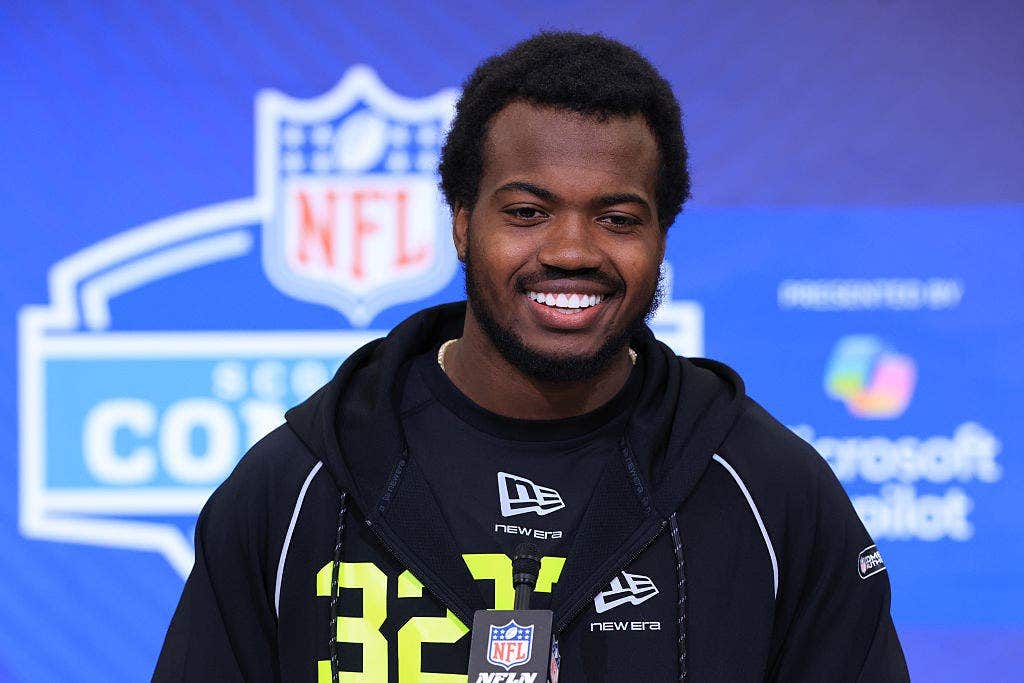
The circulation of reports regarding a 2024 fatal car accident involving NFL draft prospect Rueben Bain Jr. has sparked a critical debate within professional sports media. This situation illustrates the growing friction between institutional scouting privacy and the public’s demand for transparency regarding the personal history of collegiate athletes.
Institutional Awareness and Competitive Intelligence
Internal documentation suggests that NFL teams were aware of the 2024 incident—which occurred in South Florida and resulted in a fatality—long before it entered the mainstream media cycle. This gap between internal institutional knowledge and public reporting underscores the NFL’s sophisticated background investigation ecosystem, which often operates independently of public opinion. For front offices, the priority is risk-to-reward assessment, wherein legal incidents are weighed against on-field productivity rather than treated as binary disqualifiers.
The Media Ethics Debate
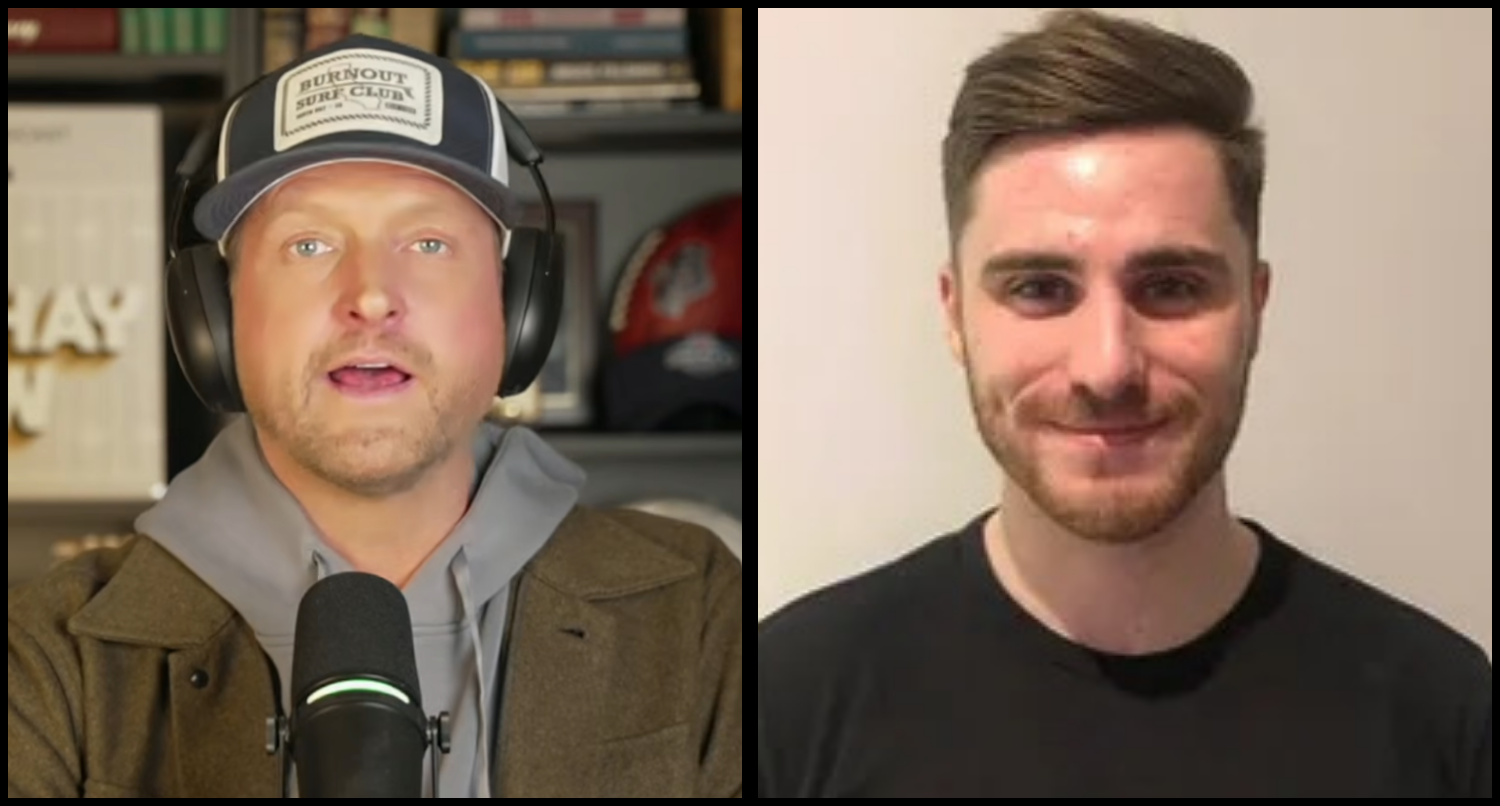
The decision by journalists such as Ollie Connolly to publish details regarding the accident faced significant pushback from veteran figures like Todd McShay. This industry divide highlights two distinct philosophies: one prioritizing investigative journalism’s mandate to inform the public, and another favoring established, private vetting protocols. The latter perspective argues that because NFL decision-makers already possessed this data, public disclosure primarily impacts the athlete’s reputation rather than the integrity of the team selection process.
Operational and Strategic Consequences
Bain’s draft profile is complex; his collegiate performance as a disruptive force for the University of Miami is now juxtaposed with his off-field record. The subsequent report by Trey Wallace regarding a secondary 2025 citation for careless driving has compounded this scrutiny. For NFL franchises, these records force a difficult calculation: balancing the high demand for elite pass-rushing talent against the potential for recurring reputational liability and the evolving standards of player conduct accountability.
Systemic Implications for the NFL Draft
The resolution of these matters—including the civil settlement regarding the 2024 incident—functions as a professional litmus test. In the modern era, an athlete’s transition to the NFL marks a permanent shift in how their history is documented. As media outlets utilize public records with greater frequency, the ability of collegiate programs and agents to control the narrative is significantly diminished. This evolution likely signals a future shift toward more standardized, transparent protocols for addressing sensitive prospect information, ensuring that teams, media, and athletes operate under a consistent set of expectations.