Organizational Volatility and High-Capital Roster Constraints
The April 23, 2026, series finale between the New York Mets and Minnesota Twins at Citi Field serves as a critical diagnostic of the Mets’ high-capital roster construction. After snapping a debilitating 12-game losing streak with a marginal 3-2 victory, the organization faces a structural stress test. The absence of Francisco Lindor (calf injury) has triggered a total recalibration of the defensive core, forcing a reliance on the offensive elasticity of high-leverage assets like Juan Soto, Bo Bichette, and Marcus Semien.
While the Mets’ strategy prioritizes veteran star power to mitigate performance fluctuations, this model remains vulnerable to the ‘Lindor Vacuum.’ The shift of Bichette to third and Semien to second highlights a tactical pivot toward offensive maximization at the expense of defensive stability. This alignment must now withstand a Minnesota Twins squad that prioritizes incremental efficiency and sustainable development, contrasting sharply with New York’s high-variance, market-heavy approach.
The Christian Scott Variable: Assessing Post-Surgical Risk
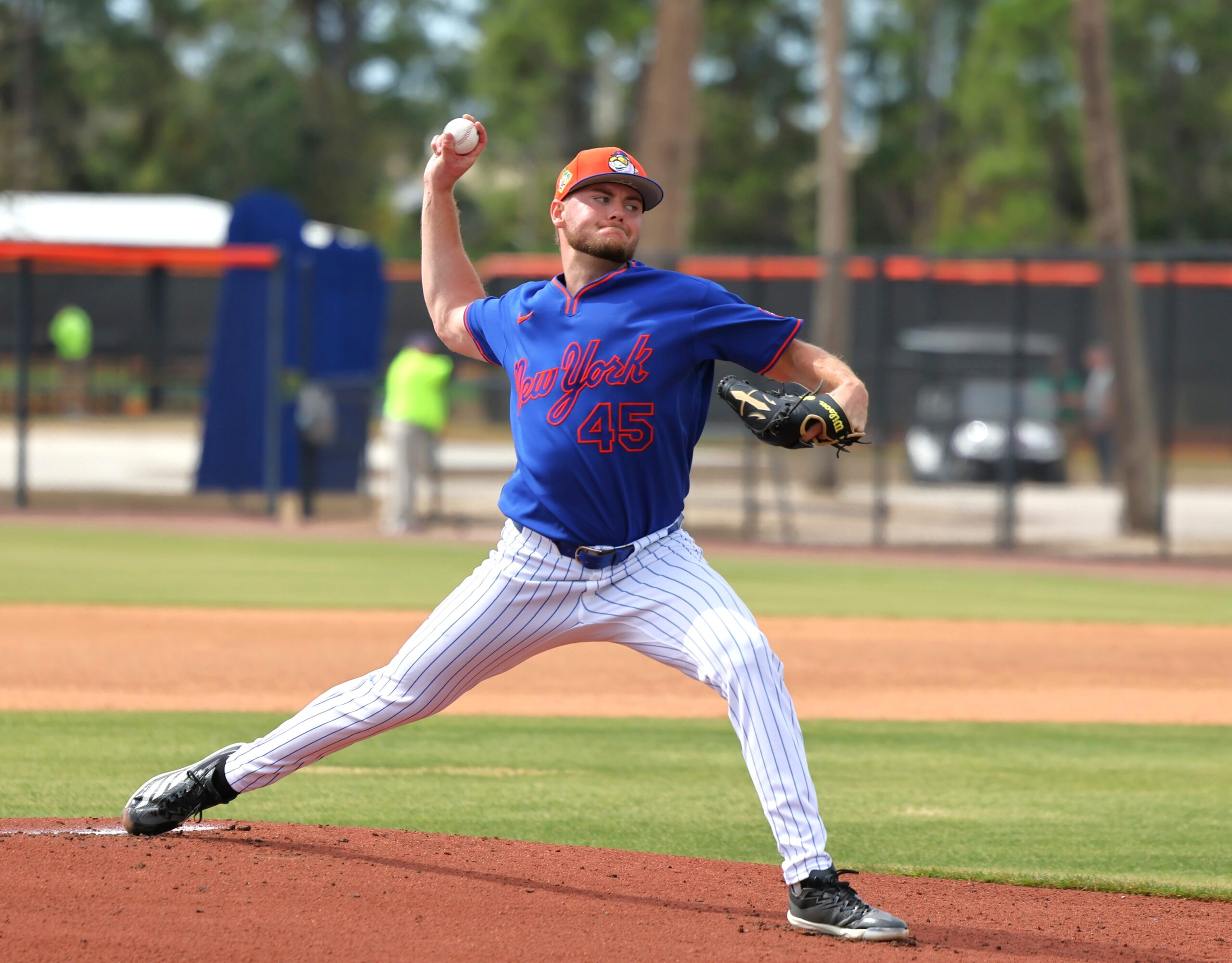
Christian Scott’s start represents a significant operational gamble. Returning from a 2024 UCL tear and subsequent Tommy John surgery, Scott enters a major league environment with zero 2025 data and a 4.56 ERA/1.204 WHIP baseline from 2024. The Mets are essentially testing their internal medical protocols in a high-leverage rubber match. This decision is born of necessity; the exhausted bullpen and depleted depth chart leave little room for traditional conditioning cycles beyond his three-start ramp-up in Syracuse.
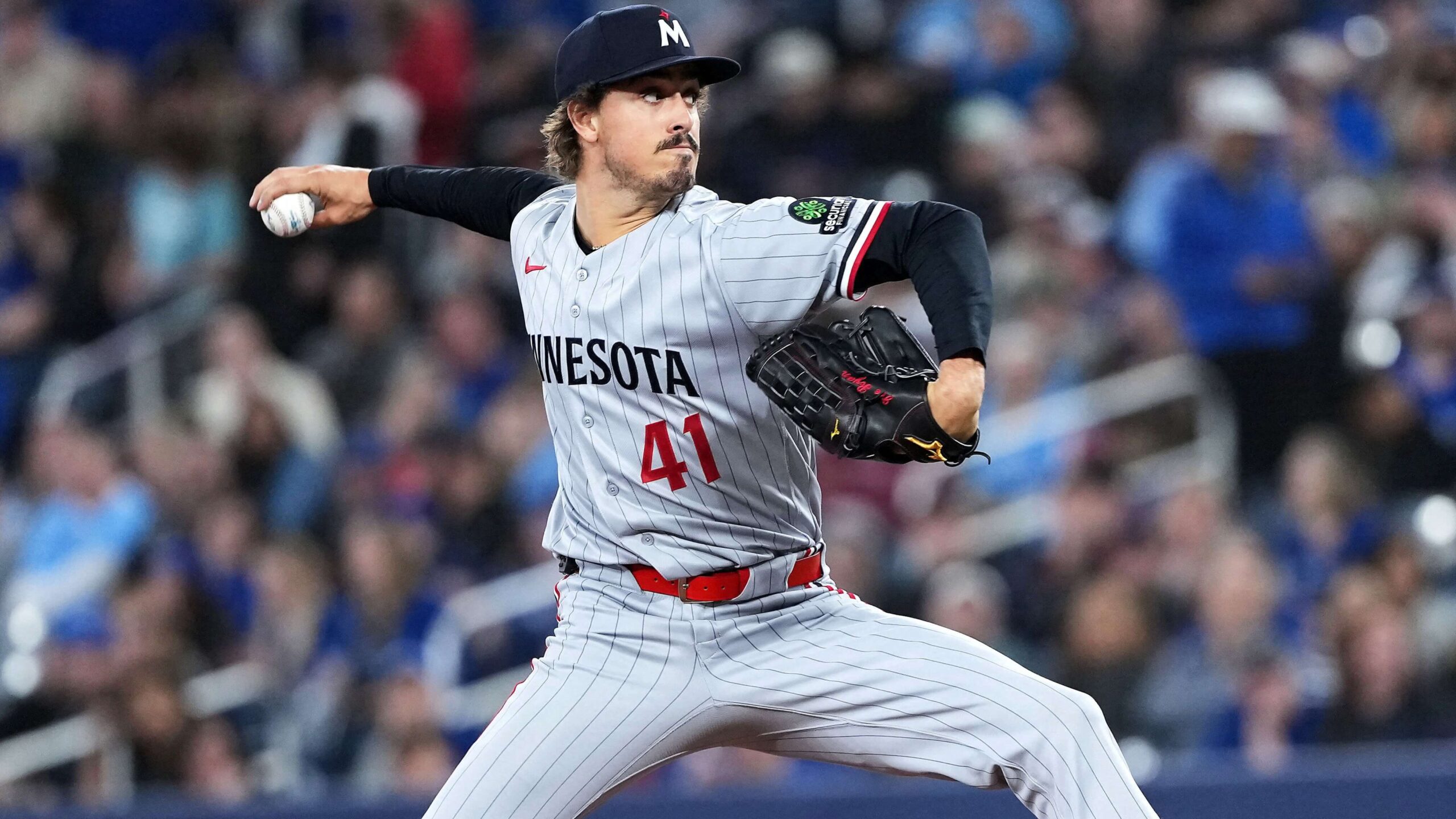
In contrast, the Twins counter with Joe Ryan, whose 2026 metrics—specifically a 0.878 WHIP—reflect elite-level command and strike-zone dominance. Ryan’s ability to suppress baserunners provides Minnesota with a distinct mathematical advantage against a Mets lineup currently struggling with situational hitting. The disparity in pitching stability is the primary driver of current betting market fluctuations and win-probability models.
Tactical Reconfiguration and Defensive Exposure
The promotion of Ronny Mauricio to shortstop introduces a high-ceiling, high-risk element to the middle infield. While Mauricio’s power is verified by his recent minor league performance, his defensive consistency remains an institutional concern compared to Lindor’s gold-glove baseline. This defensive dilution is further complicated by the inclusion of Carson Benge and Brett Baty in the outfield, signaling a desperate organizational move to out-slug Minnesota to compensate for pitching uncertainty.
Minnesota’s lineup, anchored by Byron Buxton and Trevor Larnach, is optimized to exploit these defensive inefficiencies. Manager Rocco Baldelli’s roster—featuring contact-heavy emerging talents like Luke Keaschall and Brooks Lee—is designed to force high pitch counts, a strategy particularly lethal against a returning pitcher like Scott who may face command degradation in the mid-innings.
Market Impact and Team-Building Philosophies
Beyond the diamond, this matchup highlights the economic divergence within MLB. The Mets’ high-payroll model creates a climate where extended slumps are economically unsustainable, impacting SNY viewership and Citi Field engagement. Conversely, the Twins operate with capital efficiency, extracting All-Star value from Joe Ryan at a fraction of New York’s top-tier costs. Tonight’s result will serve as a case study: can New York’s high-cost star power overcome Minnesota’s disciplined, depth-oriented structure?