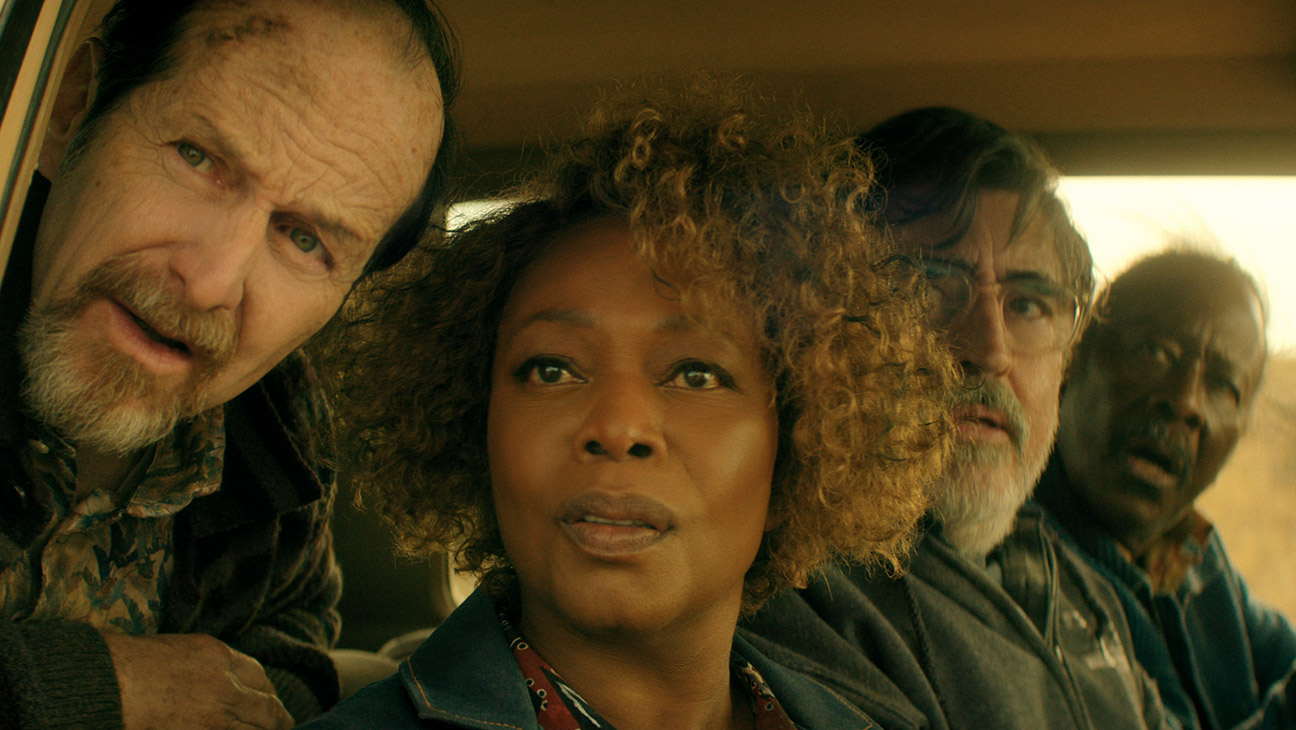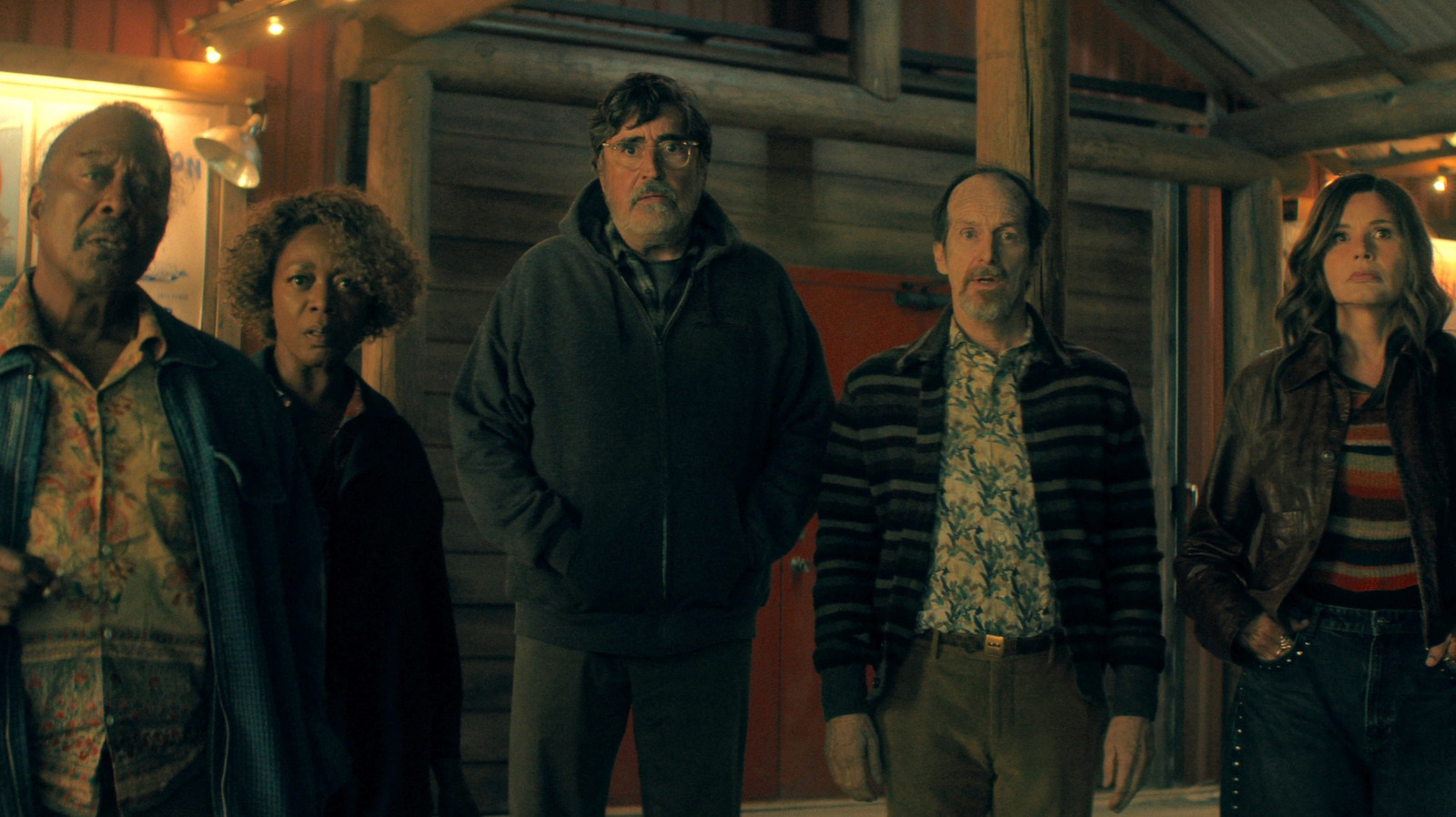
The abrupt cancellation of The Boroughs by Netflix, occurring less than a month after its May 21 premiere, serves as a significant case study in the streamer’s evolving capital allocation strategy. Despite the executive imprimatur of Matt and Ross Duffer, the series failed to secure a second season, signaling a shift from talent-centric leniency to a data-driven refusal to subsidize underperforming assets. This decision highlights a rigorous focus on immediate ROI over the historical ‘halo effect’ associated with high-profile creators.
The Audience Retention Crisis: Analyzing the Decay Rate
While The Boroughs opened with a modest 5.6 million views, it reached a peak of 9.5 million in its first full week. However, the critical metric for Netflix was the subsequent 61% precipitous decline to 3.7 million views the following week. This lack of ‘stickiness’ suggested a failure to achieve the completion rates necessary for a long-term franchise. In the current attention economy, Netflix prioritizes projects that generate sustained word-of-mouth; a sharp decay in the first 21 days often signals to the internal algorithm that the content is a low-priority asset for future promotion.
Fiscal Discipline vs. Creative Ambition
The high cost-per-viewer (CPV) metric was a primary driver for termination. Sci-fi production demands heavy investment in visual effects and specialized design, raising the threshold for renewal. Internal maneuvers—such as opening a writers’ room for Season 2 and planning a back-to-back filming strategy for Seasons 2 and 3—were intended to leverage economies of scale and amortize costs. However, the data-driven certainty required for such a massive capital commitment evaporated once the initial ratings were processed. Netflix chose to absorb the sunk costs of the writers’ room rather than commit to further speculative expenditure.
Institutional Incentives and the Duffer Pivot
The strategic calculus was further influenced by the Duffer Brothers’ upcoming move to Paramount. Netflix faced a scenario where they would be investing in a marginal performer led by talent whose future interests align with a direct competitor. Consequently, the streamer is shifting its focus toward protecting its core intellectual property, such as the animated Stranger Things: Tales from ’85, rather than experimenting with expensive, niche ventures like The Boroughs. This transition marks the end of the ‘blank check’ era for prestige talent, replaced by a disciplined approach that prioritizes proven demographic reach and predictable margins.