Operational Constraints in High-Stakes Sports Diplomacy
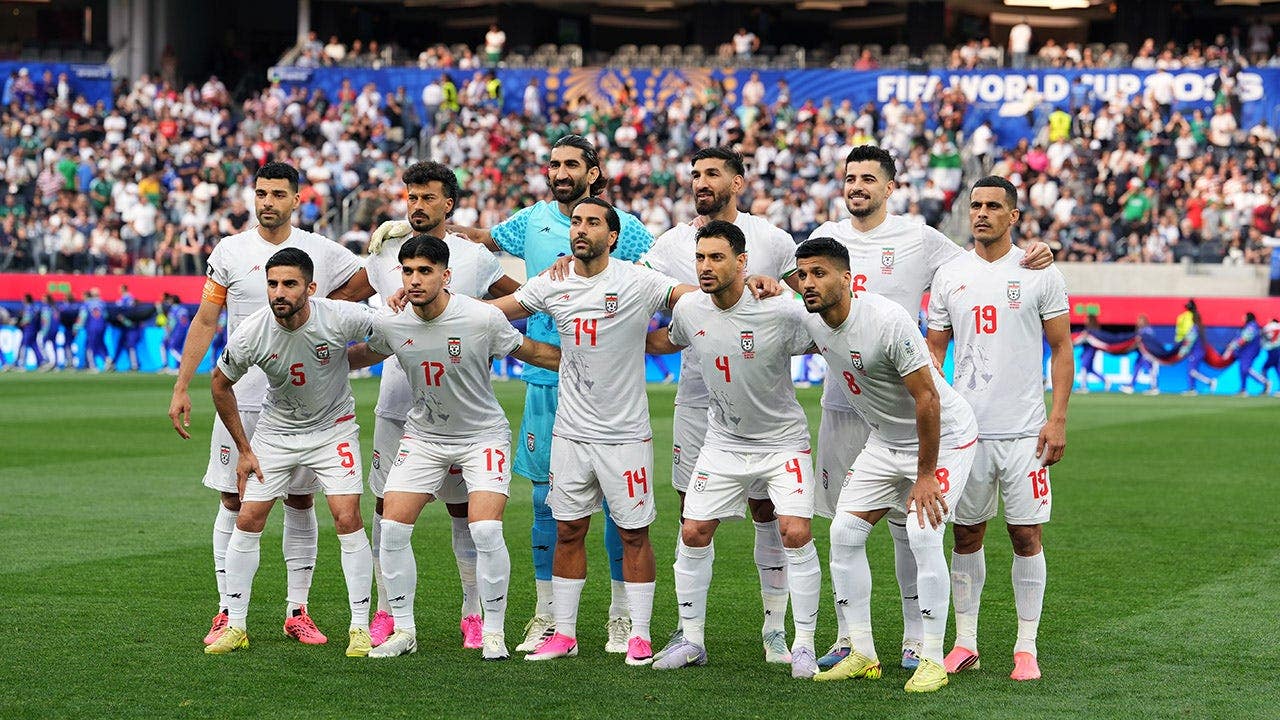
The Iranian men’s national soccer team’s immediate departure from the United States following their World Cup opener against New Zealand underscores the tension between rigid administrative protocols and elite athletic requirements. While the squad preferred to remain in California for immediate physiological recovery, U.S. authorities enforced a pre-scheduled transit to their training base in Tijuana, Mexico, citing strict regulatory compliance.
This discrepancy highlights the volatility of managing international delegations during high-profile tournaments. By prioritizing security mandates over standard athletic recovery cycles, organizers inadvertently exposed the friction inherent in hosting nations with complex diplomatic relations.
Strategic Implications of Cross-Border Logistics
Coach Amir Ghalenoei’s critique of the schedule illustrates a misalignment between competitive needs and host-imposed operational constraints. Professional recovery protocols are essential in elite international competition; however, the mandatory five-hour transit—marked by rigorous security screenings—effectively neutralized the team’s ability to maintain optimal physiological status post-match. As team captain Mehdi Taremi noted, such administrative burdens represent a distinct departure from standard tournament participant experiences, creating a tangible competitive disadvantage.
Institutional Risk and Regulatory Oversight
The direct involvement of U.S. government entities in moving the Iranian delegation suggests that oversight extends beyond standard tournament logistics. When host nations exert unilateral control over team movements, diplomatic friction often follows. For organizers, while mitigating security risks remains the primary objective, the public nature of the team’s complaints introduces reputational risk, potentially complicating future hosting arrangements and influencing international sentiment toward the tournament’s integrity.
Competitive and Financial Consequences
In high-stakes sports, where marginal recovery gains are critical, the forced displacement of the team can be viewed as a material interference with competitive capacity. Stakeholders must navigate the delicate balance between necessary security and the integrity of the sporting environment. When logistically rigid decisions are interpreted as punitive, they risk overshadowing the competition itself, shifting the discourse toward geopolitical friction rather than athletic performance.
Systemic Challenges in Global Sporting Events
The Iranian team’s experience serves as a case study for the administrative bottlenecks inherent in hosting nations with complex diplomatic ties. Maintaining a training base in a third country like Mexico introduces structural vulnerability to border-crossing delays. This incident illustrates how institutional risk-management policies can create operational inefficiencies that diminish the overall quality of the tournament experience for participants, ultimately challenging the feasibility of multi-nation base camps in politically sensitive contexts.