
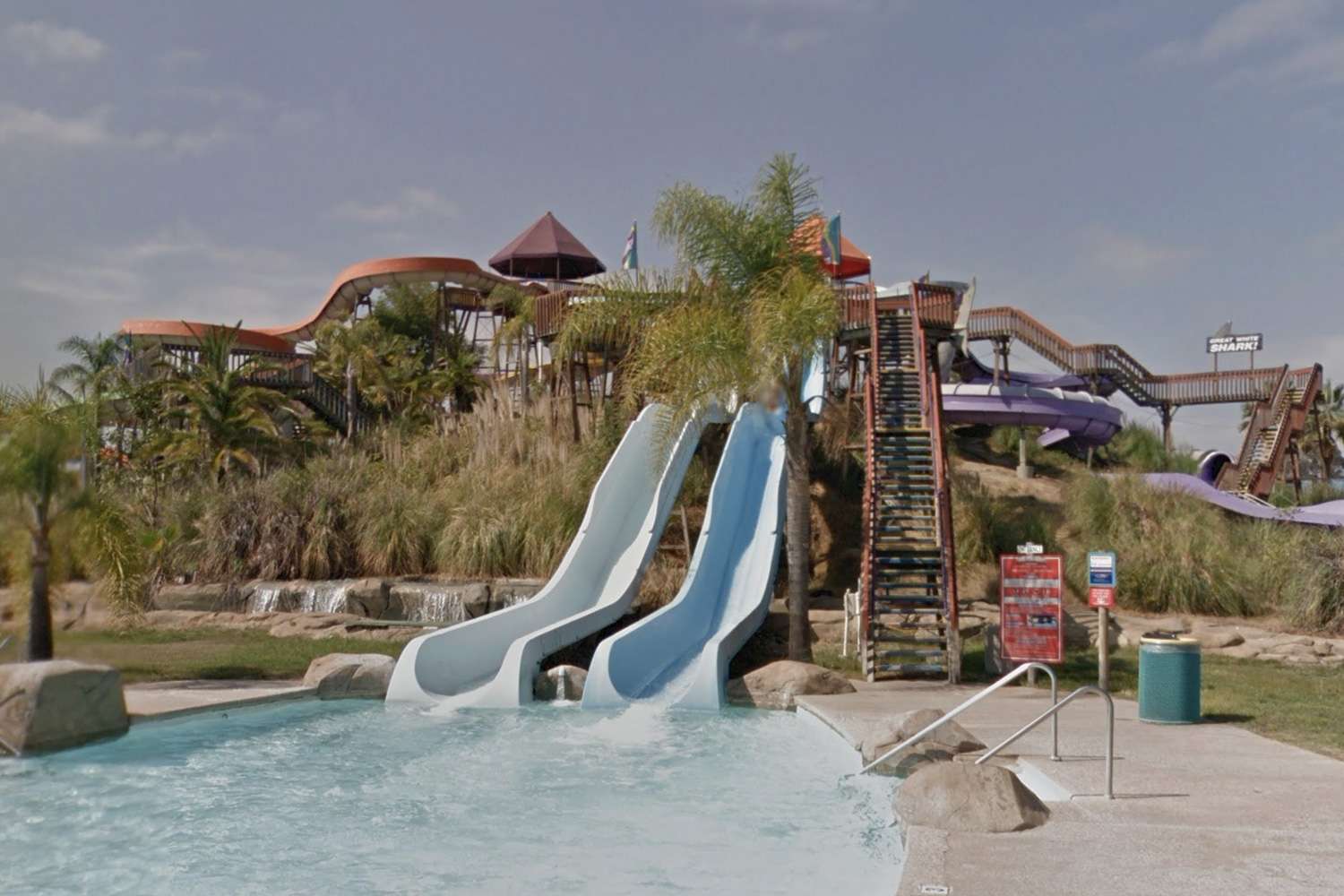
The abrupt cessation of operations at CaliBunga, formerly Raging Waters San Jose, marks a pivotal moment for Northern California’s recreational infrastructure. Effective June 11, 2026, the closure of this four-decade-old water park reflects a strategic municipal pivot towards asset modernization and the phasing out of legacy entertainment models.
Strategic Realignment and the Lakeside Partnership
San Jose has swiftly initiated the property’s transition from its previous operational framework to a comprehensive redevelopment phase spearheaded by Lakeside Partners. This strategic public-private partnership aims to overhaul the site’s aging infrastructure, replacing it with contemporary amenities designed to meet evolving consumer expectations and stringent modern safety standards.
Lakeside Partners’ selection underscores a municipal preference for a capital-intensive redevelopment strategy, moving decisively beyond incremental maintenance of the decades-old infrastructure. This critical decision implies the former operational model, even with the recent CaliBunga rebranding, proved unsustainable, failing to meet crucial structural and financial benchmarks.
This commitment to complete revitalization signals San Jose’s long-term vision for optimizing high-value land use, projecting sustainable revenue generation and enhanced community utility. While disruptive to immediate summer seasonal cycles, this transition is strategically framed as indispensable for securing the long-term viability of the regional leisure and entertainment sector.
Operational Consequences and Municipal Risk Mitigation
The abruptness of the shutdown, coinciding critically with the onset of the peak summer season, necessitated San Jose’s immediate implementation of a Community Activation Plan. This rapid-response contingency strategy aims to mitigate the significant loss of a primary cooling and recreational amenity by strategically redirecting public engagement to alternative municipal venues.
The activation plan demands complex inter-departmental coordination of city resources to ensure continued public access to swimming facilities and family-oriented events at designated alternative sites. This logistical pivot underscores the municipality’s critical responsibility to manage the profound public health and social implications inherent in losing a major regional heat-mitigation asset during peak summer.
From a municipal governance standpoint, this unforeseen closure instantly generates a significant budgetary and operational vacuum, demanding prompt reallocation of personnel and financial resources. The efficacy of these interim measures will critically shape public perception regarding the city’s capacity to adeptly manage complex public-private transitions.
Market Impact and Competitive Vacuum
CaliBunga’s withdrawal from the Northern California leisure market generates a profound competitive vacuum within the regional water park sector. For four decades, the facility was a foundational entertainment destination; its absence now leaves a substantial, displaced consumer base actively seeking alternative recreational outlets.
This market displacement is projected to exert considerable pressure on remaining regional attractions, potentially straining their operational capacities during peak demand periods. The absence of an immediate, direct competitor within the San Jose metropolitan area critically underscores the inherent strategic value of the site and accentuates the imperative of an expedited revitalization timeline.
Beyond consumer impact, the closure significantly affects the local labor market, eliminating both seasonal and permanent employment opportunities tied to the park’s extensive operations. The consequential downstream effects on local vendors and ancillary service providers, integral to the park’s former ecosystem, constitute a secondary, yet substantial, layer of economic exposure for the San Jose metropolitan economy.
Institutional Continuity and the Revitalization Proposal
The subsequent proposal for a new, state-of-the-art water park at the identical location unequivocally affirms the enduring underlying real estate value, notwithstanding the prior operational iteration’s failure. The emphasized focus on ‘modern amenities’ explicitly implies a strategic pivot toward integrated smart technology, elevated safety protocols, and a more robust, diversified revenue model extending beyond conventional gate receipts.
Lakeside Partners’ engagement signifies a fundamental structural shift in the city’s recreational real estate management, aligning with a model that vigorously prioritizes long-term asset appreciation. This comprehensive approach inherently mandates a rigorous reassessment of the site’s environmental and regulatory compliance, factors potentially instrumental in the definitive decision to decommission the existing legacy infrastructure.
Crucially, this revitalization transcends a mere infrastructure replacement; it represents a strategic reimagining of how prime public land can optimally serve San Jose’s evolving, tech-centric demographic. The city’s proactive and transparent communication regarding the forthcoming proposal is thus vital for anchoring public expectations and safeguarding institutional credibility throughout this significant transition period.
Long-Term Strategic Implications for San Jose
The CaliBunga closure crystallizes a significant case study in the lifecycle management of substantial municipal recreational assets. This transition from a decades-old legacy brand to an ambitious modern redevelopment project emphatically reflects the evolving economic priorities and strategic urban planning imperatives of a major metropolitan center like San Jose.
As San Jose navigates the multifaceted complexities of its Community Activation Plan, paramount focus will remain on the meticulous execution of the Lakeside Partners agreement. The successful delivery of a thoroughly modernized recreational facility, specifically designed to meet the advanced demands of a 2026 demographic, will serve as a critical performance metric for the city’s strategic planning and development departments.
Ultimately, the strategic decision to abruptly cease operations, rather than perpetuate underperforming assets, unequivocally signifies a prioritization of public safety and long-term economic growth over immediate seasonal continuity. This action aligns with a broader national trend where urban centers proactively reclaim and strategically upgrade legacy infrastructure to more effectively serve their evolving demographic and economic profiles.
Stakeholder Exposure and Future Outlook
Key stakeholders, encompassing local residents and various municipal agencies, face an unavoidable period of adjustment as the site undergoes dormancy during the initial revitalization phases. The city’s proactive capacity to sustain robust community engagement through alternative programming will be paramount in preserving the inherent social value of this public land throughout the construction hiatus.
The long-term outlook for the reimagined site remains robustly optimistic, contingent upon the Lakeside Partners’ successful navigation of significant financial and regulatory complexities inherent in a redevelopment of this magnitude. The anticipated reopening of a state-of-the-art aquatic facility is poised to re-establish San Jose’s preeminence as a regional leader in water-based entertainment and sophisticated municipal recreation.
Ultimately, this strategic transition underscores the imperative of proactive municipal asset management and the political resolve of civic leaders to enact difficult operational decisions that prioritize long-term strategic health. The CaliBunga closure, though an immediate recreational void, strategically clears the path for developing a significantly more resilient, technologically advanced, and socially relevant recreational infrastructure across San Jose.

Photo by alexandramontanaro on Pixabay.