Tactical Restraint as a Competitive Multiplier
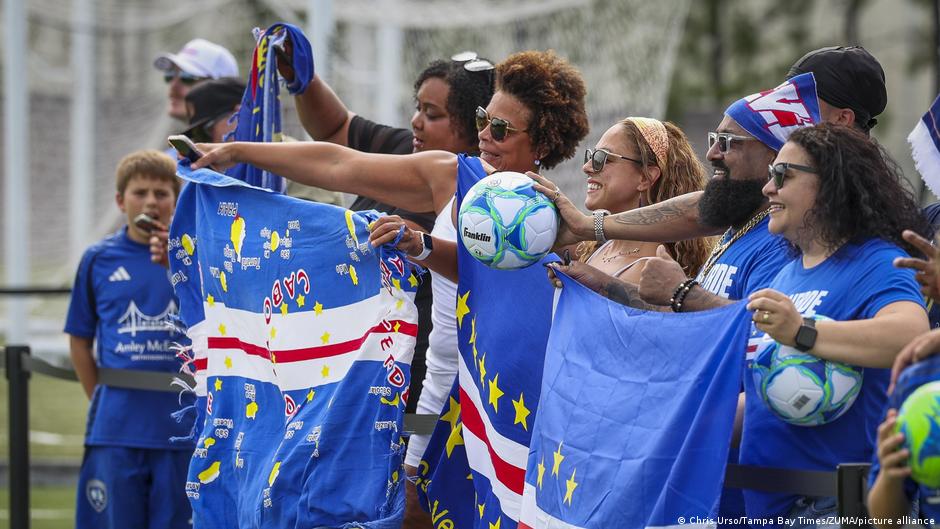
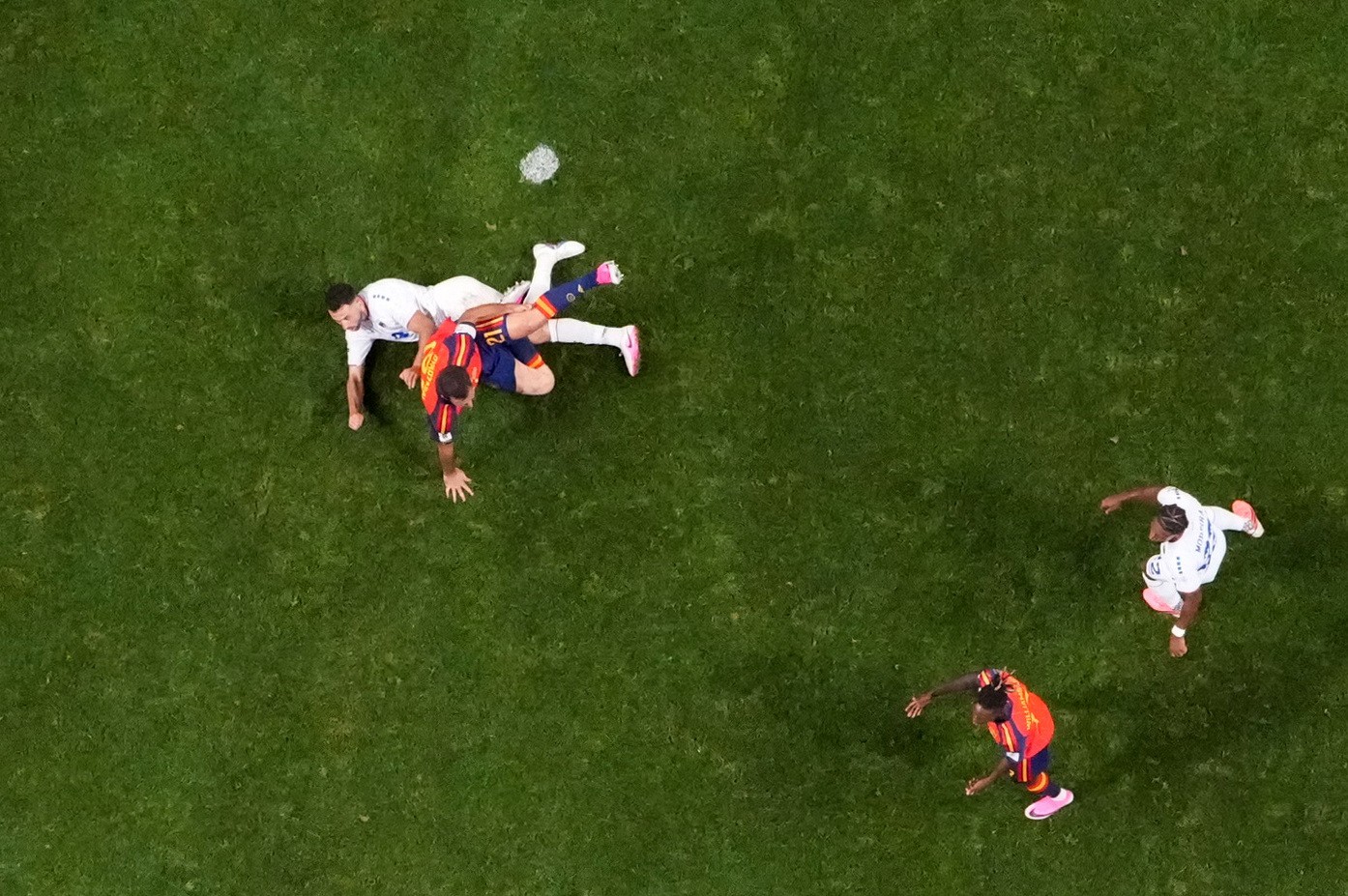
Cabo Verde’s 2026 World Cup debut in Atlanta provides a compelling case study in elite-level defensive efficiency. By securing a 0-0 draw against Spain while committing only a single foul, the ‘Tubarões Azuis’ dismantled the archetype that emerging nations must rely on physical attrition to neutralize technical giants. This performance represents a paradigm shift toward interceptive positioning and spatial denial as primary defensive levers.
Validated by Opta records dating to 1966, this statistical outlier suggests a highly sophisticated defensive architecture. Rather than resorting to tactical fouls—a common strategy to disrupt Spanish possession—Cabo Verde utilized a disciplined low block that prioritized structural integrity. For Spain, the lack of set-piece opportunities and the inability to provoke infractions revealed a significant failure to penetrate a defense that operated with surgical precision under extreme pressure.
Statistical Significance: The One-Foul Benchmark
The record-breaking nature of this fixture is magnified when compared to previous tournament lows, such as Turkey’s four-foul threshold. Analyzing this through the lens of Gato Mestre’s data modeling, the single-foul metric correlates directly with risk mitigation. In an era of sensitive VAR intervention, Cabo Verde’s clean defensive actions effectively removed the volatility of yellow cards and dangerous dead-ball situations from the game’s outcome probability.
This level of discipline suggests that the technical staff successfully incentivized a high-IQ defensive strategy that relied on reading triggers rather than reactive tackling. The institutional result is a transition in narrative: Cabo Verde is no longer viewed as a ‘spoiler’ but as a tactically evolved unit capable of benchmarking defensive efficiency for the rest of the tournament.
Vozinha: Longevity and the Visibility Gap
Goalkeeper Vozinha’s Man of the Match performance, achieved at age 40, challenges traditional aging curves in professional football. His success in neutralizing elite attackers like Lamine Yamal and Rodri highlights the intersection of positional experience and sustained reflexes. However, the performance also serves as a critique of the global scouting apparatus; Vozinha’s career spent largely ‘under the radar’ underscores the visibility gap facing talent from smaller federations.
The economic leverage gained from this performance is substantial. By outperforming some of the world’s most expensive offensive assets, Vozinha has redefined his professional standing, demonstrating that high-caliber goalkeeping is not exclusive to the traditional European elite leagues. This performance creates a blueprint for veteran players to utilize the World Cup platform as a catalyst for late-career reputational recalibration.
Systemic Asymmetry and the Human Cost of Sport
Despite the on-field success, the absence of Vozinha’s family due to visa delays and financial friction highlights a persistent systemic inequality. The administrative hurdles faced by the families of players from developing nations expose a disconnect between FIFA’s vision of a ‘global’ game and the bureaucratic reality of international mobility. The inability of a primary stakeholder’s support system to navigate the U.S. visa process represents a failure in tournament inclusivity.
This logistical friction acts as a tax on the human capital of smaller nations. While the commercial success of the 2026 World Cup reaches record highs, the disparity in global access remains a critical point of tension. Streamlining administrative pathways for athlete families is not merely a courtesy but a necessity for maintaining the integrity of the tournament’s social fabric.
Strategic Implications for Group D Dynamics
Cabo Verde’s result fundamentally disrupts the projected points distribution of the group. By forcing Spain into a stalemate, they have introduced a variable that increases the qualifying pressure on established powerhouses. The psychological footprint of the ‘one-foul record’ will likely force future opponents to reconsider their offensive rotations against teams employing a disciplined low block.
As the tournament progresses, the sustainability of this model will be tested. However, the Atlanta debut has established a new standard for debutante nations: that defensive organization, when backed by data and psychological composure, can equalize the playing field against the world’s elite. Cabo Verde has proven that precision is a more effective equalizer than attrition.