
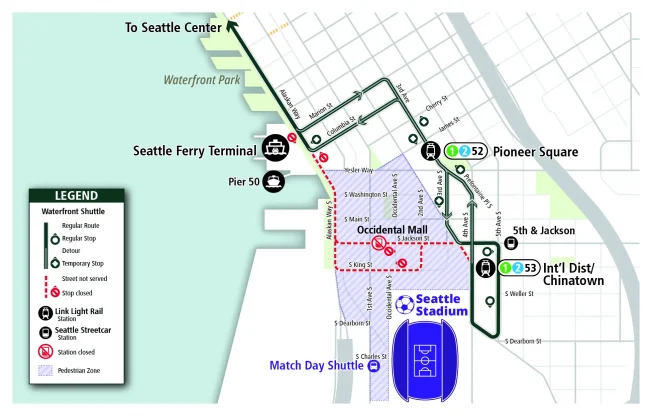
Operational Realignment in Seattle’s Urban Core
Hosting FIFA World Cup matches requires a massive transition from standard municipal operations to a high-density, event-driven framework. The SODO and downtown districts serve as the primary nodes for this shift, necessitating immediate, complex adjustments to traffic signaling, transit routing, and pedestrian safety infrastructure.
By prioritizing the Pioneer Square pedestrian zone, the Seattle Department of Transportation (SDOT) has replaced traditional vehicular throughput with controlled crowd management. This strategic trade-off emphasizes safety and pedestrian access over commuting convenience, effectively reconfiguring the urban flow to handle intense, surge-capacity foot traffic.
Infrastructure Elasticity and Transit Connectivity
The systematic rerouting of public transit—such as Route 21—highlights the operational trade-offs required to maintain basic city connectivity. These adjustments force a recalibration of commuter patterns, placing a heavy burden on existing transit authorities to sustain performance under irregular demand.
Similarly, the modification of the West Seattle Water Taxi schedule exemplifies the city’s effort to leverage multi-modal capacity. By optimizing existing maritime assets to supplement land-based transit, municipal leaders are attempting to alleviate corridor-specific bottlenecks and distribute the pressure placed on regional arterial roads.
Regulatory Enforcement and Public Compliance
The impoundment of approximately 40 vehicles from the newly established FIFA pedestrian zone serves as a case study in enforcement friction. This action underscores the inherent conflict between legacy parking norms and the stringent security requirements necessitated by international sporting events. For the city, the decision to clear the zone was a calculated risk-mitigation move to prevent site-specific security compromises.
Economic Impacts and Adaptive Business Models
The presence of non-ticketed fan clusters creates an atmospheric economic impact that extends far beyond the stadium perimeter. Local businesses in SODO must navigate a dual-sided scenario: the benefit of increased potential customer density versus the disruption caused by street closures and transit instability. Survival in this environment requires rapid adaptation of service models to account for these localized logistical barriers.
Institutional Coordination and Future Planning
The ongoing coordination between SDOT and event organizers serves as a performance test for Seattle’s urban resilience. Real-time monitoring and public-private feedback loops are providing data points that will define future large-scale event strategies. The success of these logistical interventions will ultimately function as a benchmark for how municipal authorities allocate resources during high-demand scenarios, influencing future long-term urban development and event management policy.
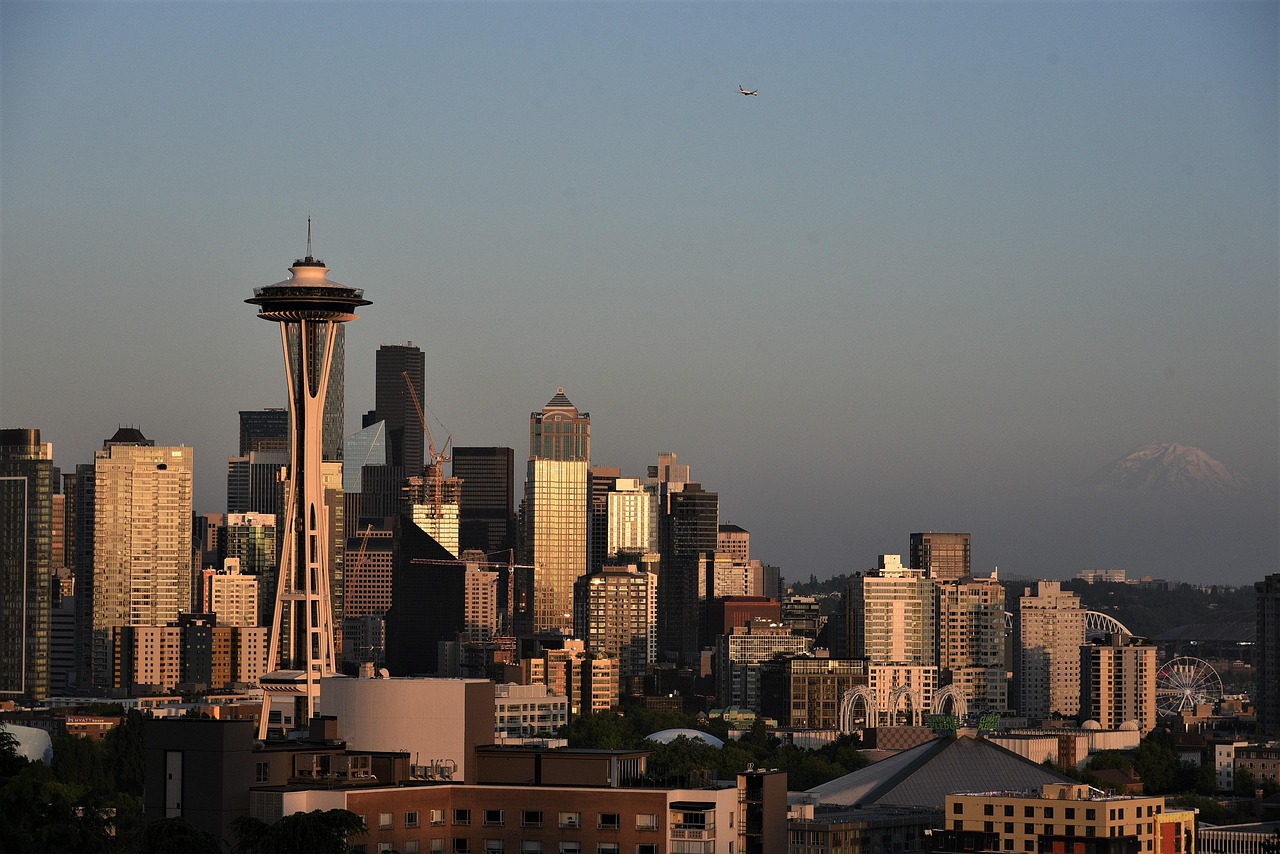
Photo by Veronika_Andrews on Pixabay.