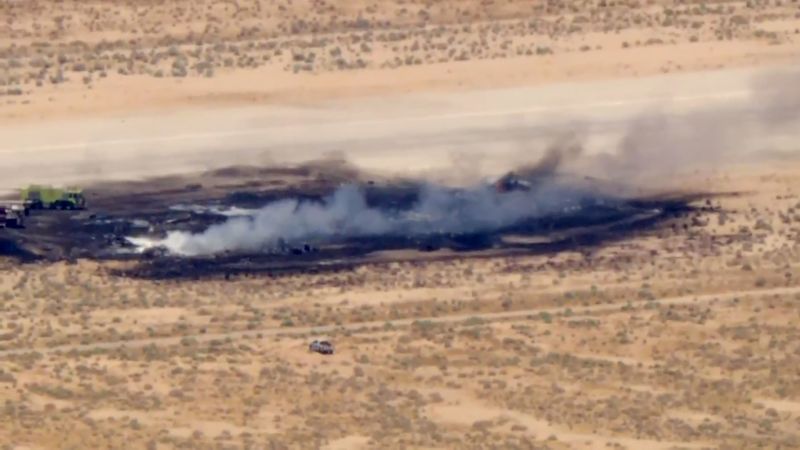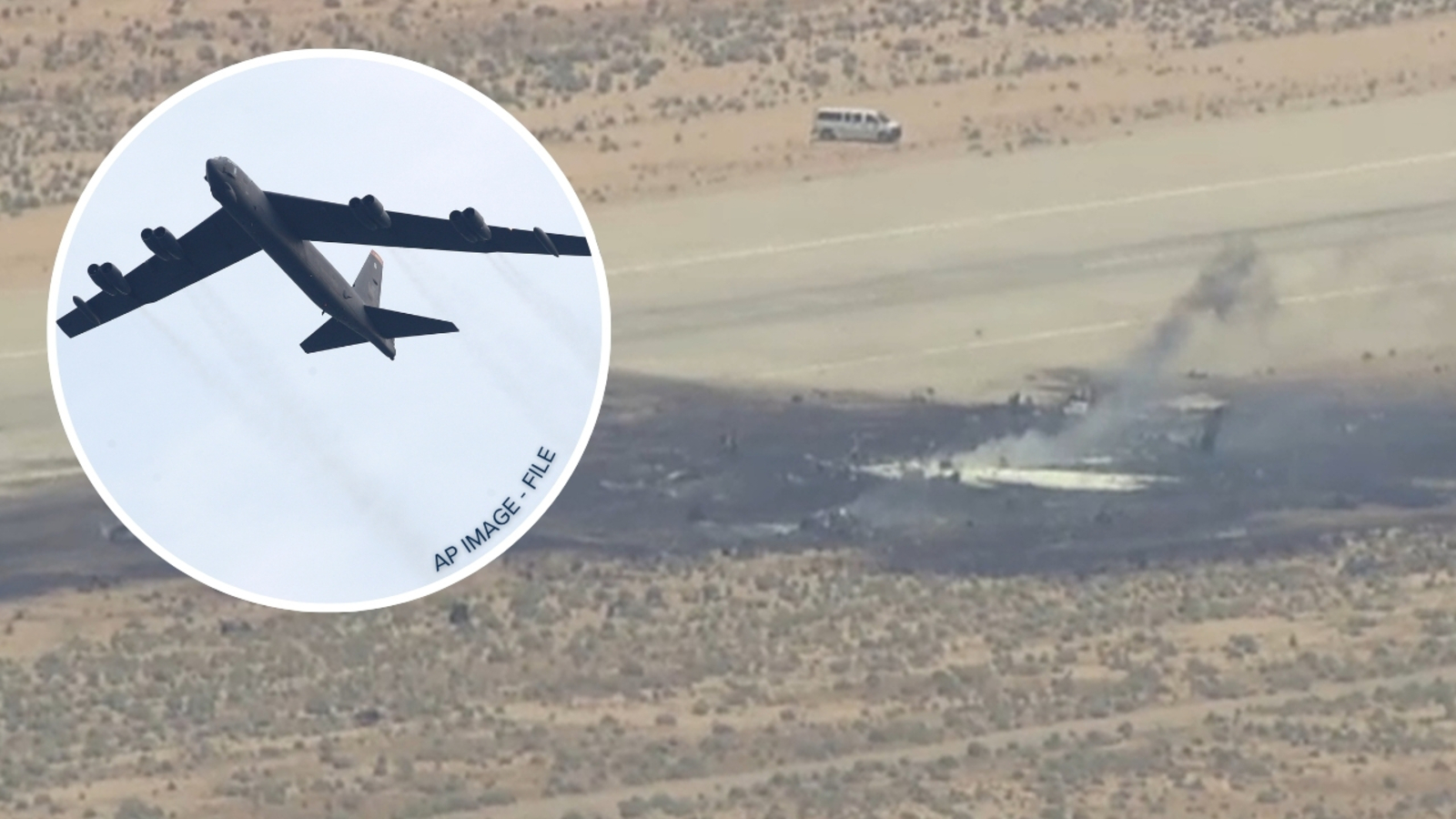
The recent crash of a B-52H Stratofortress during takeoff at Edwards Air Force Base (AFB) represents a high-consequence event for the United States Air Force (USAF) and its strategic testing infrastructure. Occurring at a facility synonymous with aerospace advancement, the loss of this airframe transcends immediate tactical concerns, impacting the broader lifecycle management of the aging heavy bomber fleet and the specialized missions of the 412th Test Wing.
Testing Bottlenecks and OPSEC Protocols
Edwards AFB serves as the primary node for Developmental Test and Evaluation (DT&E). The suspension of airfield operations following the crash created an immediate vacuum in the flight test schedules of both the USAF and NASA. The diversion of air traffic and the suspension of non-commercial visitor access reflect standard Operating Security (OPSEC) and safety procedures, intended to preserve the forensic integrity of the crash site. Because Edwards often hosts platforms equipped with sensitive sensors or experimental munitions, maintaining site sanctity is a national security imperative during mishap investigations.
Restoring the primary runway—marred by significant thermal damage—remains a complex engineering challenge. The ‘blackened scar’ reported at the site indicates an intense fuel-fed fire, which can compromise the structural load-bearing capacity of the tarmac. Until comprehensive geotechnical assessments are completed, the base’s high-tempo testing throughput remains throttled, potentially delaying the validation of next-generation weapon systems and software updates currently in the pipeline.
Strategic Attrition in the Global Strike Inventory
The loss of a single B-52H is statistically significant due to the extreme scarcity of the asset. With a fixed inventory of only 76 airframes (prior to this event), the USAF has zero margin for attrition. These aircraft are the backbone of the airborne leg of the nuclear triad and are currently undergoing the Commercial Engine Replacement Program (CERP) and Radar Modernization Program (RMP) to transition to the B-52J configuration. Each airframe lost is a permanent reduction in long-range strike capacity, as the production lines for the Stratofortress closed in the 1960s.
This mishap exacerbates the tension between operational readiness and airframe preservation. As the fleet ages toward a projected century of service, the structural fatigue of existing airframes becomes a primary risk factor. An investigation into the takeoff phase of this incident will likely scrutinize engine performance and flight control surfaces, areas where legacy hardware is being pushed to its mechanical limits during heavy-weight testing profiles.
Industrial Accountability and Modernization Risk
Boeing, as the lead contractor for sustainment, faces renewed scrutiny regarding the airworthiness of the H-model fleet. The findings of the Air Force Mishap Investigation Board (MIB) will dictate whether fleet-wide ‘Time Compliance Technical Orders’ (TCTOs) are required. Any systemic failure identified could force a grounding or restrictive flight envelope for the remaining 75 bombers, effectively neutralizing a significant portion of the U.S. strategic deterrent during a period of heightened geopolitical tension.
Furthermore, the financial loss is compounded by the ‘sunk cost’ of recent upgrades. Modern B-52s are not merely 1950s-era shells; they are integrated with millions of dollars in advanced avionics, jamming pods, and digital backbone infrastructure. The destruction of an instrumented test aircraft—often used as a ‘mother ship’ for hypersonic research or cruise missile trials—represents a multi-year setback for the specific programs it was supporting.
Environmental and Regional Consequences
The ecological response in the Mojave Desert highlights the logistical complexity of heavy bomber recovery. The B-52’s massive fuel capacity introduces significant hazardous material (HAZMAT) risks to the sandy desert ecosystem. Cleanup efforts involve not only the removal of wreckage but the mitigation of soil contamination from JP-8 fuel and hydraulic fluids. For the surrounding communities in Kern County and Lancaster, the incident serves as a visceral reminder of the inherent risks associated with proximity to a global hub of experimental aviation.
Ultimately, the B-52H crash at Edwards AFB is a catalyst for a broader re-evaluation of how the USAF balances the modernization of legacy platforms with the realities of structural attrition. As the investigation continues, the focus will shift from immediate recovery to the long-term viability of a fleet that is increasingly irreplaceable.