The Strategic Reconfiguration of Real Madrid
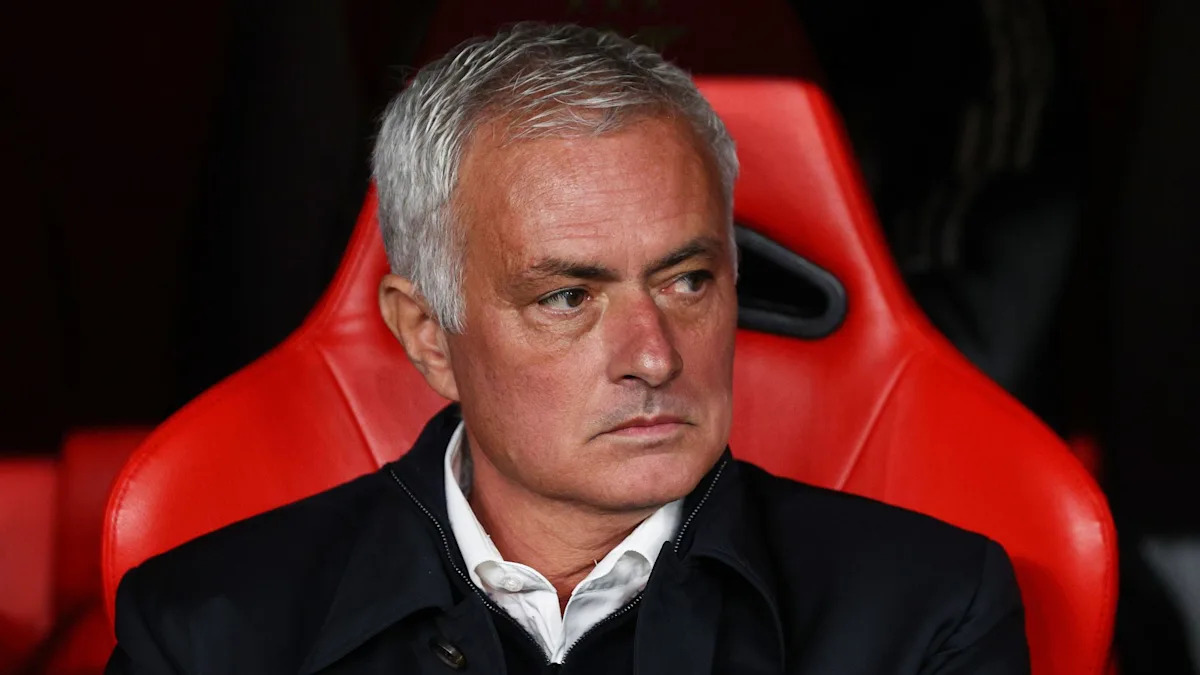
Jose Mourinho’s return to the Santiago Bernabeu serves as an inflection point for Real Madrid, signaling a pivot toward a centralized, experienced leadership model. Spearheaded by club president Florentino Perez, this administrative shift prioritizes established tactical frameworks and deep institutional knowledge to address recent competitive volatility.
Technical Integration and Methodology
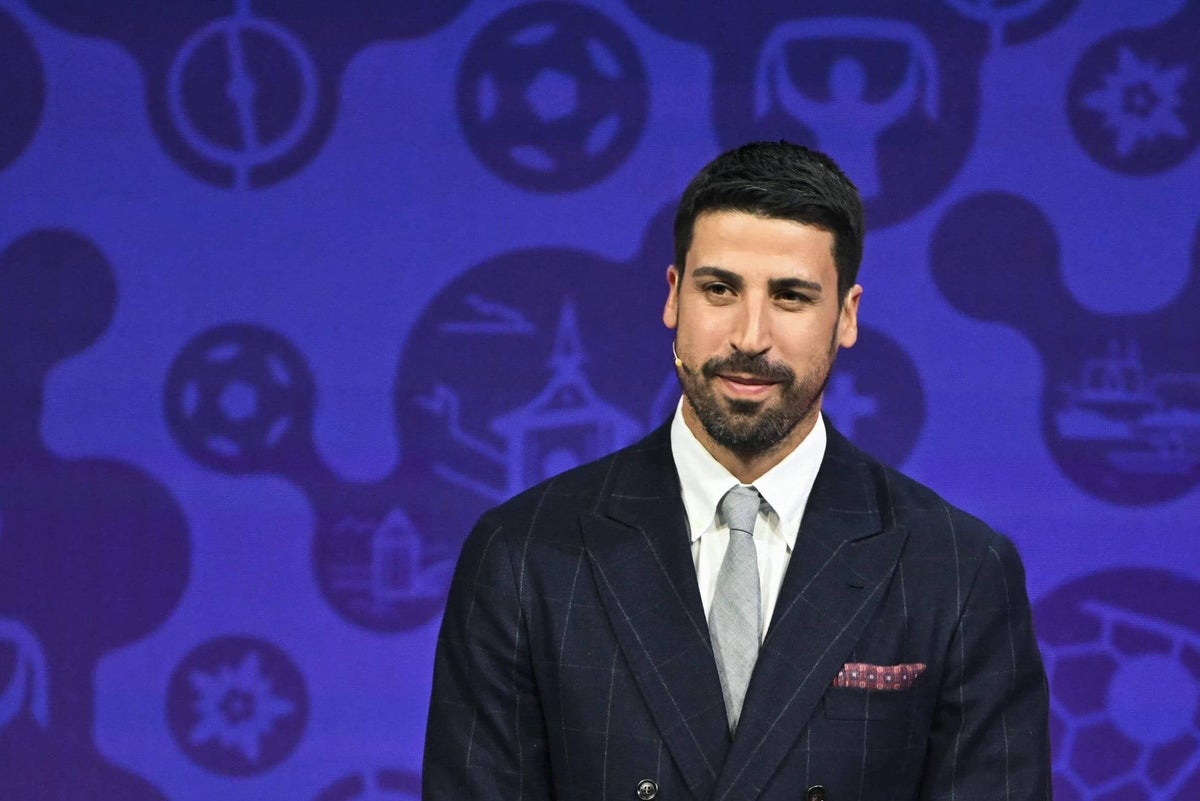
Mourinho is assembling a high-performance support structure, integrating long-term collaborators Joao Tralhao, Pedro Machado, Roberto Merella, Antonio Dias, and Nuno Santos. This inner circle is designed to enforce a unified methodology across fitness, data analysis, and player development. The anticipated arrival of Sami Khedira—a veteran of Mourinho’s 2010–2013 tenure—is a calculated move to bridge the gap between technical staff and the squad, leveraging his rapport with both the manager and the club’s historical identity.
Institutional Continuity as a Competitive Asset
The selection process for coaching roles, which included discussions with figures like Pepe, emphasizes a preference for personnel acclimatized to the Bernabeu’s high-pressure environment. By favoring former players who understand his managerial expectations, Mourinho aims to minimize cultural misalignment. This strategy functions as a buffer against external instability, ensuring that tactical mandates are communicated and executed with professional precision.
Squad Evolution and Market Strategy
Mourinho’s arrival coincides with a necessary squad recalibration following the departures of veteran leaders. To mitigate defensive and structural weaknesses, the club has aggressively targeted high-profile acquisitions, including Ibrahima Konate and Denzel Dumfries, while exploring further moves for tactical fits like Bernardo Silva. This recruitment strategy reflects a shift toward addressing specific competitive vulnerabilities identified during the previous campaign.
Future Competitive Sustainability
The overarching objective of these restructuring efforts is to accelerate the integration of new signings through a rigorous, proven tactical environment. By pairing technical consistency with long-term squad planning, Real Madrid aims to stabilize performance levels. The synthesis of institutional memory, represented by the potential Khedira appointment, and tactical modernization remains the cornerstone of the club’s pursuit of sustained dominance in European football.