The conclusion of Day 3 at the FIFA World Cup 2026 has transitioned the tournament from initial ceremony to tactical attrition. Group C and D dynamics now reflect a widening gap in offensive efficiency and a closing gap in defensive organization. As the competition moves into Day 4, the narrative shifts toward high-stakes recovery for established powers and the consolidation of momentum for emerging tactical units across North American venues.
Group C: Strategic Gridlock and the Value of Defensive Pragmatism
The 1-1 stalemate between Brazil and Morocco in New Jersey serves as a critical case study in neutralizing elite offensive transitions. Morocco’s disciplined mid-block successfully stifled Brazil’s creative pivots, forcing the Seleção into low-percentage exterior crosses. This result creates immediate pressure on Brazil’s operational margin, as their seeding now hinges on high-yield victories in subsequent fixtures to navigate tie-breaking goal differentials.
Conversely, Scotland’s 1-0 victory over Haiti in Boston demonstrates the efficacy of narrow-margin optimization. John McGinn’s strike capitalized on a singular defensive lapse, allowing Scotland to secure a mathematical advantage in a group where the traditional frontrunners have already dropped points. This positioning allows Scotland to adopt a more reactive, counter-attacking posture in future rounds.
Group D: Disruptive Upsets and Turkey’s Operational Crisis
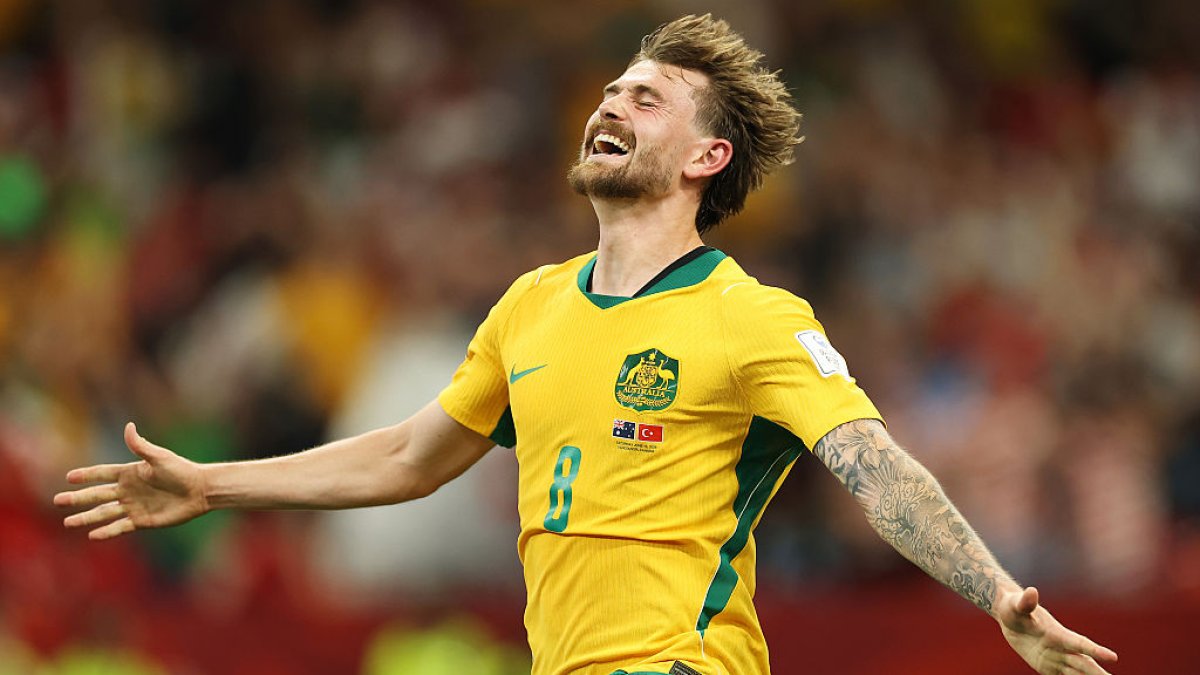
Australia’s 2-0 victory over Turkey in Vancouver represents the tournament’s first major shift in power dynamics. Led by Nestory Irankunda’s clinical finishing, the Socceroos exploited Turkey’s structural vulnerabilities during defensive transitions. For Turkey, the defeat necessitates a radical tactical pivot; their return to the world stage is now threatened by an immediate need for aggressive point accumulation against technically superior UEFA and CONMEBOL opponents.
This outcome highlights the volatility of the expanded 48-team format, where a single loss in the opening phase can exponentially increase the difficulty of knockout-stage bracket placement. Australia’s success validates their high-press developmental model, proving their capacity to disrupt established European hierarchies through athletic intensity and structural discipline.
Germany’s Offensive Maximalism and the Structural Gap
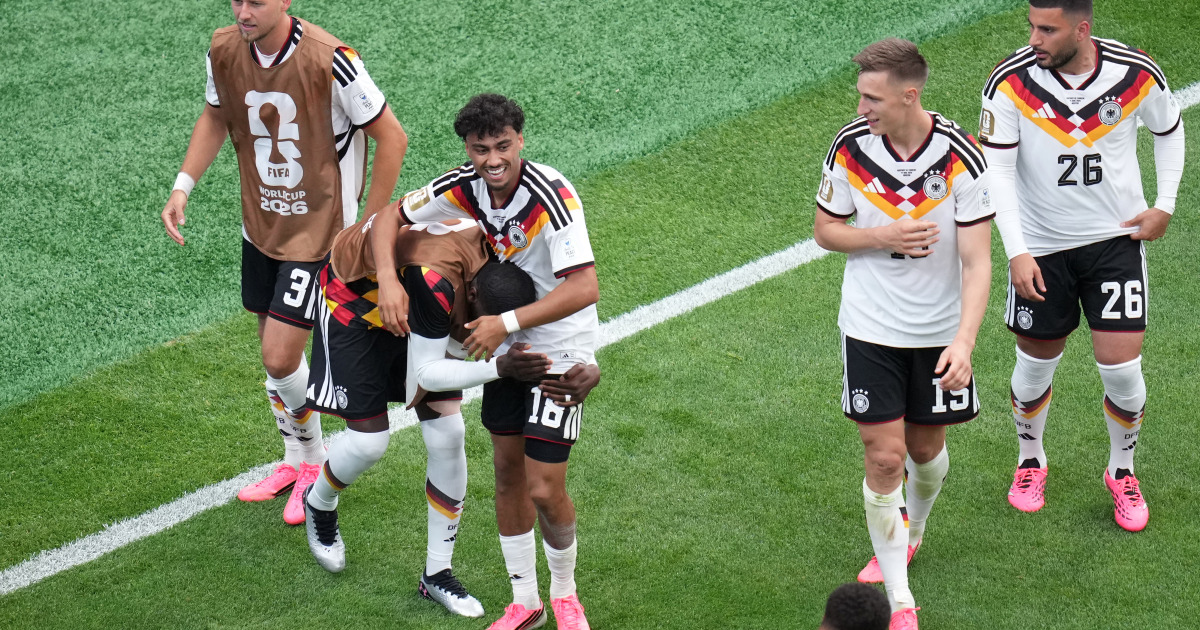
Germany’s 7-1 dismantling of Curacao in Houston serves as a definitive statement of intent. Beyond the scoreline, the match highlighted an immense disparity in physical conditioning and tactical depth. By maximizing their goal-difference cushion, Germany has secured a significant strategic buffer, allowing for potential squad rotation in the final group match—a luxury in a multi-city tournament with rigorous travel schedules.
For Curacao, the result exposes the structural challenges faced by emerging nations against elite European programs. While their presence on this stage is a milestone for Caribbean football, the immediate requirement is a defensive reorganization to prevent further reputational and mathematical damage.
Logistical Infrastructure and Multi-Platform Media Integration
The operational complexity of the 2026 tournament is manifest in the cross-continental distribution of matches. Utilizing high-capacity venues in Houston, Dallas, and Monterrey requires sophisticated recovery protocols to mitigate the impact of diverse microclimates and time zones on athlete performance. From a commercial perspective, the dual-language broadcasting strategy—Fox for English and Telemundo/Peacock for Spanish—is successfully capturing a bifurcated North American market, driving unprecedented digital engagement.
Day 4 Outlook: Unbeaten Streaks and Technical Sophistication
Day 4 introduces pivotal matchups defined by technical contrast. Ecuador enters their Philadelphia fixture against Ivory Coast buoyed by a 19-match unbeaten streak, testing their institutional stability against CAF’s physical dynamism. Meanwhile, the Netherlands vs. Japan encounter in Dallas is expected to be a tactical masterclass in possession-based football, with both sides seeking to establish a dominant stylistic identity heading into the knockout rounds.