The Strategic Imperative of the Sixth Star
The 2026 FIFA World Cup serves as a definitive pivot point for the Brazilian national team. With a two-decade-plus championship drought, the institutional pressure to secure a sixth star is the central narrative defining this cycle. For the Brazilian Football Confederation, success is not merely athletic but an existential requirement to validate its status within the global football hierarchy.
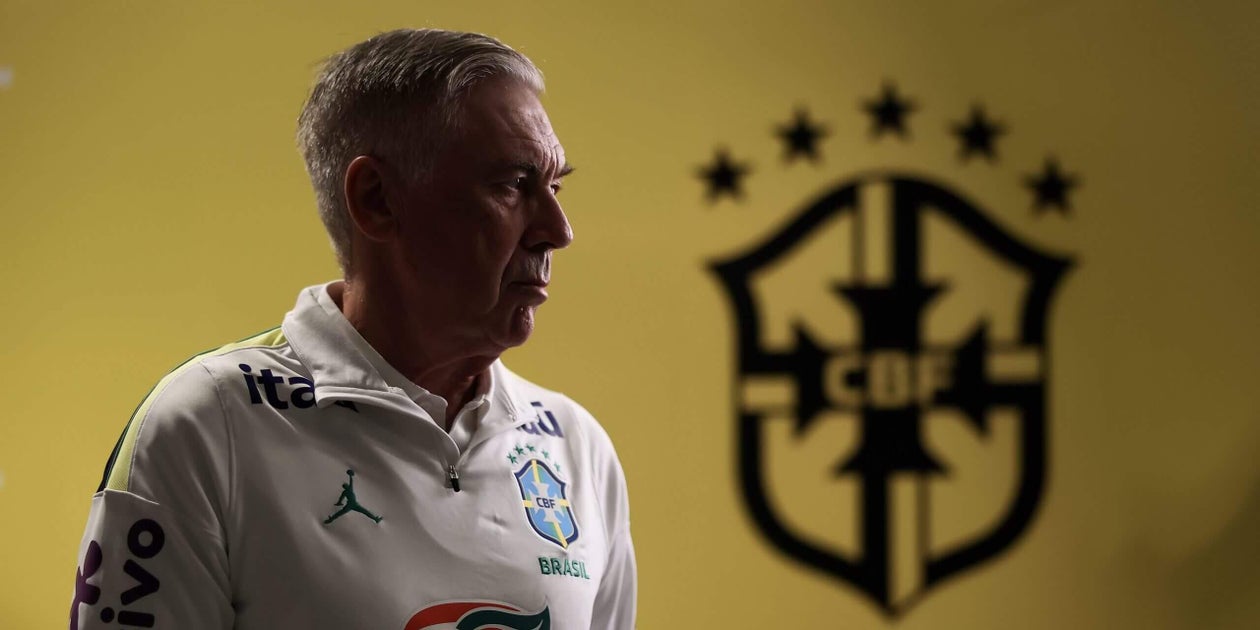
The appointment of Carlo Ancelotti signals a departure from traditional reliance on improvisation, favoring European-standard tactical discipline. Supported by key staff, his tenure seeks to marry classic ‘Joga Bonito’ creative freedom with the high-stakes operational rigor demanded by modern football. The success of this synthesis will be determined by the squad’s ability to maintain structural integrity while leveraging top-tier talent during the tournament’s most volatile phases.
Navigating the 48-Team Expansion
The expansion to a 48-team format fundamentally shifts the tournament’s mathematical and tactical landscape. For frontrunners like Brazil, the group stage now carries a heightened risk profile, where the probability of facing defensive-oriented, low-block opposition increases. The expanded schedule necessitates superior squad management; the ability to rotate players effectively without sacrificing performance levels is paramount to surviving a more grueling knockout bracket.
Furthermore, the introduction of third-place qualification pathways forces managers to calculate risk more aggressively. Tactical flexibility is no longer an asset but a requirement, as the team must balance the demand for early goal accumulation with the necessity of managing player fatigue across potentially more games.
Individual Leverage and Tactical Framework
Vinicius Junior acts as the primary catalyst within Ancelotti’s tactical architecture. His role transcends that of a standard winger; he is the central pivot through which Brazil initiates its attacking transitions. The current framework is specifically designed to isolate him in high-leverage areas, creating a dependency that maximizes his individual output.
However, this reliance on an elite asset necessitates a highly structured defensive system to mitigate the risks of high-intensity turnovers. The midfield and defensive units are tasked with maintaining a rigid, compact shape to facilitate the creative freedom of the attacking line, placing significant pressure on both the individual playmaker to deliver and the defensive unit to remain resilient under counter-attacking scrutiny.
Institutional Culture and Psychological Resilience
Beyond tactical drills, the squad benefits from a unique internal environment that blends modern high-performance protocols with traditional cultural rituals. The presence of a deeply personal, often spiritual, dressing room atmosphere serves as a psychological stabilizer. These rituals act as a buffer against the intense public and media scrutiny that follows the Seleção, helping players maintain focus on immediate objectives.
This cultural foundation is vital for managing the expectation-reality gap. By fostering a shared identity, the leadership team attempts to insulate the roster from the volatility of external opinion, ensuring that the historical weight of the iconic jersey does not paralyze performance during critical moments.
Competitive Trajectory
The 2026 campaign represents a rigorous validation test for Brazil’s current institutional model. Success would vindicate the decision to recruit a world-class foreign manager, potentially setting a permanent precedent for future cycles. Failure, however, would force a complete evaluation of the team’s strategic direction. As the tournament progresses from group stage to the knockout rounds, the alignment of Ancelotti’s tactical implementation and the squad’s execution will determine if Brazil can fulfill its potential as a global powerhouse.