Operational Strategy and Roster Resilience
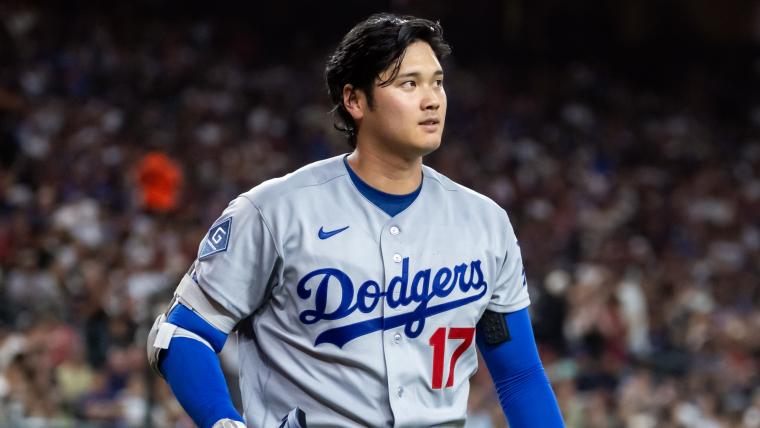
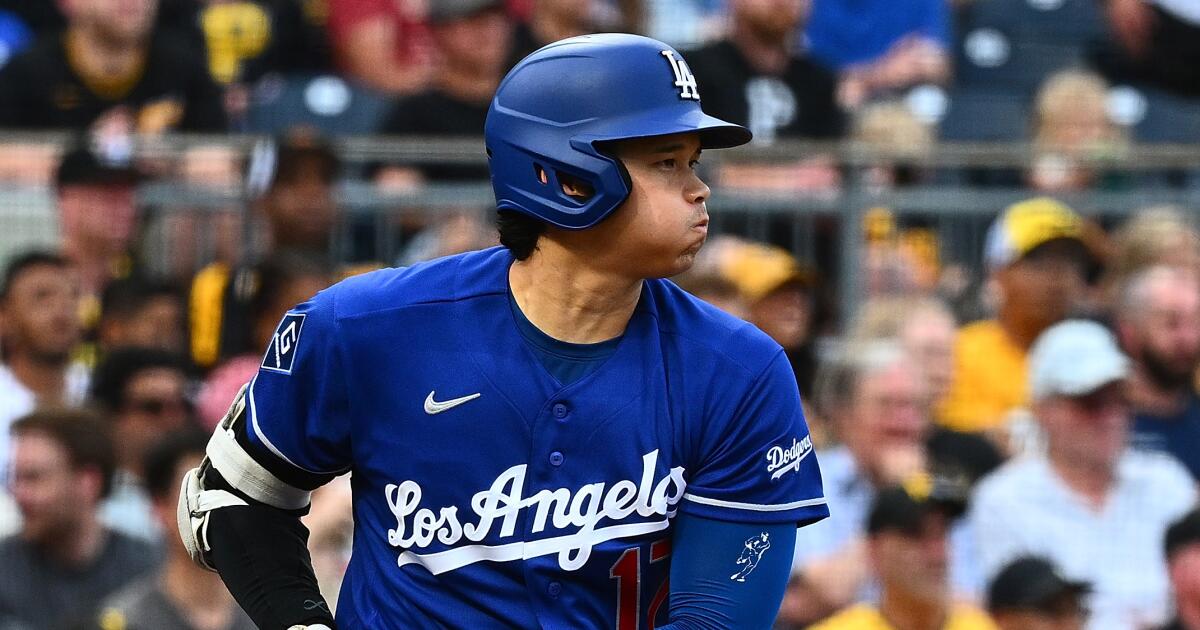
The recent injury concern regarding Shohei Ohtani underscores the complex equilibrium modern MLB franchises must navigate between immediate performance and the preservation of core assets. Following Ohtani’s early exit against the Pittsburgh Pirates due to left knee inflammation, the Los Angeles Dodgers implemented a conservative management protocol, ultimately resting him for the subsequent series against the Chicago White Sox.
Manager Dave Roberts’ decision serves as a case study in data-informed load management. By leveraging immediate diagnostic imaging to rule out structural damage, the organization shifted from crisis response to a prophylactic maintenance schedule, ensuring the inflammation does not escalate into a season-altering injury.
The Economics of Elite Asset Protection
For a marquee player, the distinction between a day-to-day designation and a stint on the 10-day injured list (IL) carries immense competitive weight. Avoiding the IL preserves roster flexibility and prevents the mandatory minimum absence, which would otherwise disrupt the team’s offensive output during the critical stretch run.
The Dodgers’ approach highlights a transition toward evidence-based personnel management. By relying on their medical staff’s assessment that the discomfort—located near the hamstring attachment—is manageable via short-term rest, the front office prioritizes Ohtani’s sustained output for the postseason over the marginal value of his presence in a single regular-season contest.
Anatomical Context and Institutional Control
While Ohtani’s medical history includes a 2019 procedure for a bipartite patella in his left knee, current diagnostics characterize the present discomfort as an isolated, minor incident. This distinction allows the organization to control the public narrative, providing transparency through confirmed MRI results while maintaining discretion over the nuanced mechanical stressors affecting the player.
Concurrently, the injury to starting pitcher Justin Wrobleski—suffering from a right hamstring contusion—compounds the team’s depth concerns. This dual-injury scenario tests the limits of the Dodgers’ roster depth, forcing the coaching staff to optimize defensive alignments and pitching rotation utilization while minimizing the risk of secondary injuries during high-intensity competition.
Long-Term Strategic Imperatives
The ability of an organization to absorb personnel setbacks without losing structural integrity is a primary indicator of institutional maturity. In the high-stakes environment of professional baseball, the Dodgers’ commitment to medical recommendations over impulsive participation reflects a shift in sports science philosophy: prioritizing the health of the player as the foundation for the organization’s competitive trajectory.
As the team pushes toward the playoffs, the efficacy of these protocols will likely serve as a competitive advantage. The ability to manage minor physical tolls effectively suggests that the Dodgers are optimizing their championship window by ensuring that their highest-impact performers remain viable for the rigors of postseason play.