Strategic Implications of the M/V Touska Seizure
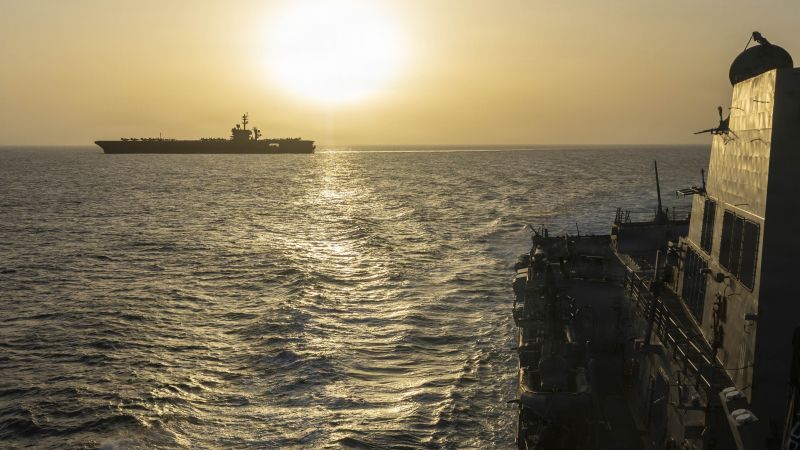
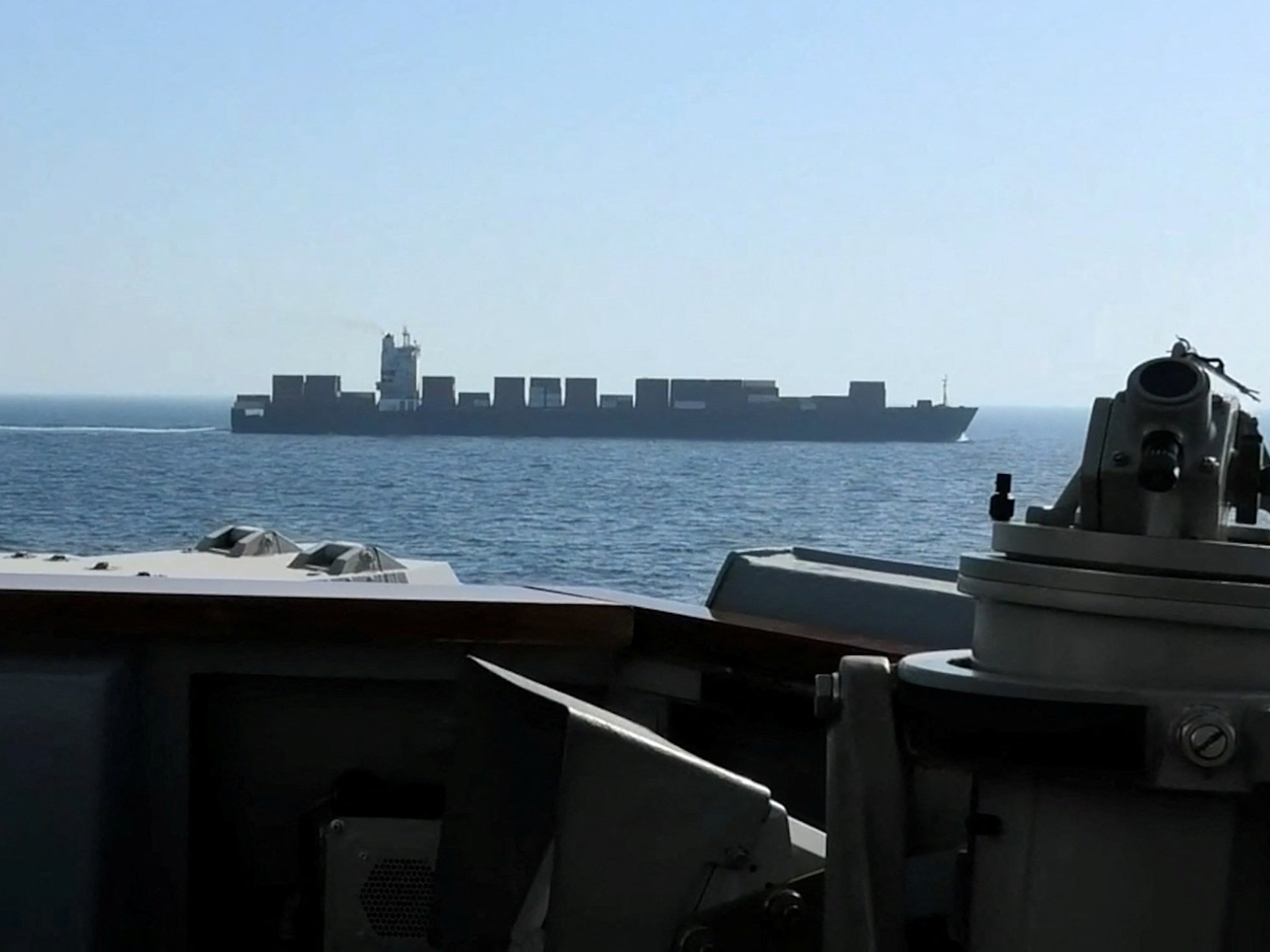
The US Navy’s seizure of the M/V Touska in the Gulf of Oman marks a definitive escalation in the maritime interdiction campaign against Iranian commercial assets. By employing the USS Spruance—an Arleigh Burke-class destroyer—to neutralize the vessel’s propulsion, the US has signaled a heightened readiness to project kinetic power within the critical Strait of Hormuz transit corridor.
This operation, involving precise naval fire to compel compliance followed by a boarding action by US Marines from the USS Tripoli, highlights the integration of diverse naval platforms to enforce maritime chokepoints. This posture exacerbates existing volatility in global energy markets, as shipping insurers adjust risk premiums in response to the blockade’s hardening tactics.
Diplomatic Fragility and Negotiating Leverage
The timing of the seizure, immediately preceding scheduled diplomatic discussions in Islamabad, significantly complicates the path to de-escalation. Despite plans for senior US officials to address the conflict, Tehran’s current rhetoric reflects profound skepticism regarding the efficacy of these negotiations.
With the current ceasefire set to expire Wednesday, the window for addressing fundamental disputes—including uranium enrichment and maritime security protocols—is closing. The failure to secure a breakthrough in these talks risks a definitive transition from active containment to sustained, high-intensity confrontation, where the margin for strategic miscalculation narrows significantly.
Institutional and Security Consequences
The maritime standoff is increasingly intertwined with internal Iranian security crackdowns. Reports of executions linked to alleged espionage networks suggest an internal consolidation of power meant to counter external pressures. Simultaneously, security incidents in London, involving arson attacks on Jewish sites, illustrate the conflict’s propensity to manifest through proxy tensions in Western urban centers. These developments necessitate a reassessment of international institutional responses to the cross-border spillover of localized geopolitical crises.
Economic and Supply Chain Vulnerabilities
The Strait of Hormuz remains the preeminent bottleneck for global energy distribution. The US-led kinetic blockade, while intended to optimize economic pressure on Tehran, imposes systemic costs on global commerce. Stakeholders in energy-dependent industries face rising logistical complexities, necessitating structural shifts in inventory management and supply chain diversification to mitigate exposure to prolonged maritime instability.
Operational Dynamics of the Blockade
The six-hour engagement involving the M/V Touska underscores a standardized escalation matrix designed to minimize personnel risk while ensuring vessel interdiction. By leveraging amphibious platforms like the USS Tripoli, US Central Command sustains a persistent presence capable of rapid-response operations. This methodology serves as a clear deterrent, signaling that non-compliance with the blockade will be met with decisive, coordinated force.
Conclusion: An Inflection Point for De-escalation
The current situation represents a critical inflection point for Middle Eastern stability. The combination of direct US kinetic intervention and Iran’s vow of retaliation suggests the region has entered a phase of overt, active confrontation. The upcoming Islamabad summit serves as a final diplomatic mechanism to establish a framework for stability before the crisis evolves into more unpredictable strategic terrain.