
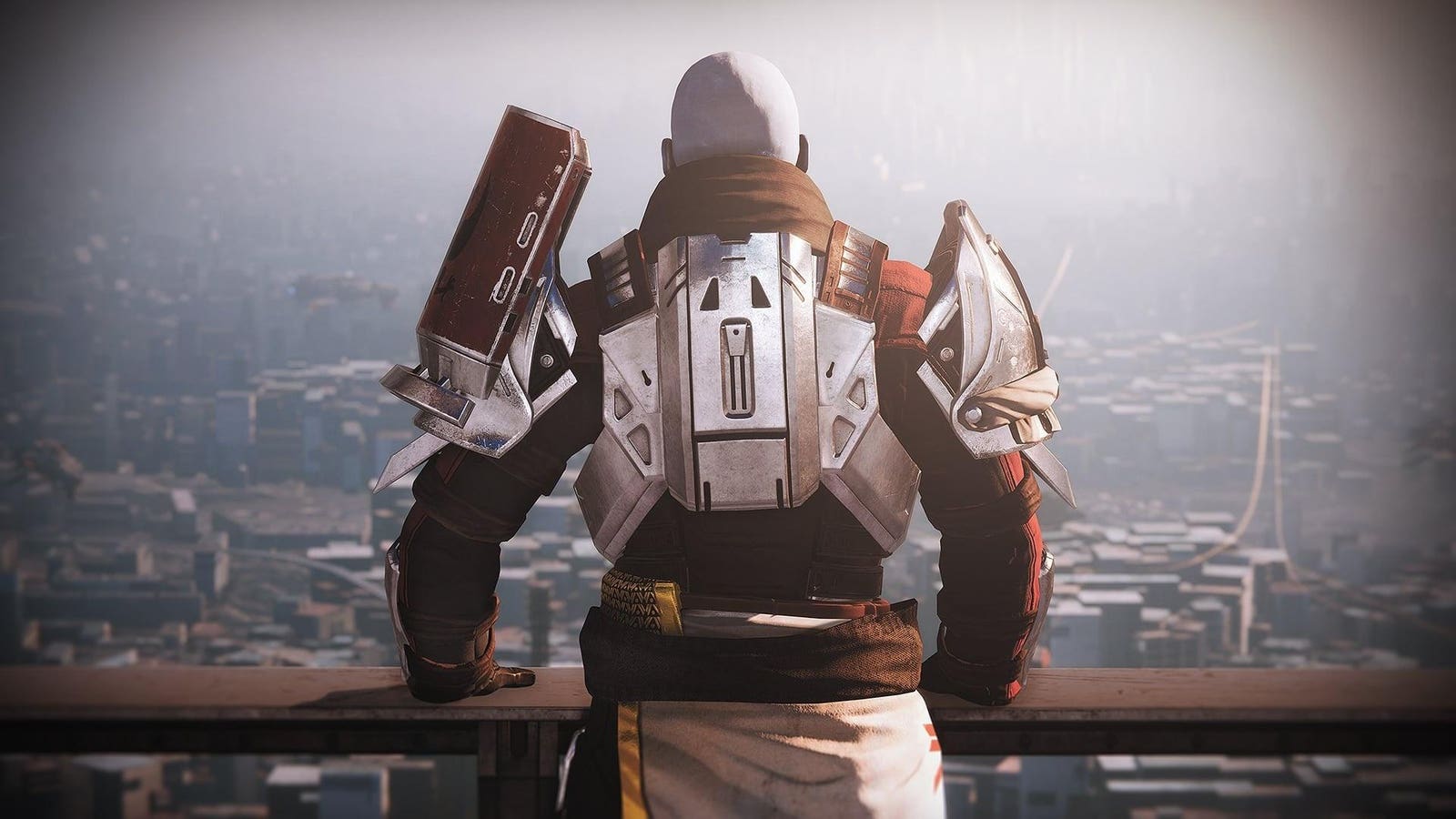
Bungie’s ‘Monument of Triumph’ Signals Strategic Pivot for Destiny 2 and its IP
Bungie’s ‘Monument of Triumph’ update for Destiny 2 isn’t merely its final development effort; it’s a profound strategic inflection point, shifting the long-running live service title from continuous content generation to a definitively curated, enduring experience. This cessation of active development on a game of Destiny 2’s scale carries significant operational, financial, and strategic implications, signaling a purposeful reallocation of development resources and a recalibration of the intellectual property’s long-term monetization and engagement strategy.
Operational Mastery and Economic Recalibration
The ‘Monument of Triumph’ update stands as a testament to Bungie’s operational mastery in managing a mature game’s lifecycle. Delivering extensive overhauls that revitalized nearly every activity—from high-tier raids to foundational Patrol mode—demonstrates meticulous project management and a deep technical understanding of Destiny 2’s complex systems. This comprehensive re-engineering, coupled with a massive injection of over a hundred new and reprised weapons, refreshed armor sets with new bonuses, and ‘relevant, appealing rewards,’ strategically recalibrates the game’s reward loops. It effectively leverages nostalgia by reintroducing classic gear (e.g., Black Armory, Leviathan) with power gains and unique rolls, re-engaging veteran players and combating content fatigue while solidifying a rich, evergreen in-game economy.
Sophisticated Content and IP Management
Bungie’s ability to reintroduce numerous classic items without inviting ‘recycling allegations’ highlights a sophisticated approach to content management in live service environments. This strategic decision to refresh and re-integrate legacy assets maximizes the utility of a vast existing library, delivering perceived new value efficiently. It underscores a shift from constant new content creation to curating and optimizing existing assets—a critical aspect of sustainable live service IP management, especially when transitioning a title to a definitive state and preparing for its legacy.
Broader Industry Implications and Brand Legacy
For the player community, ‘Monument of Triumph’ offers a definitive, enriched experience, fostering re-engagement and a sense of celebratory closure. This strengthens Bungie’s reputation for product quality and strategic foresight, bolstering brand loyalty. More broadly, Destiny 2’s transition sets a benchmark for product lifecycle management in the live service sector, challenging the imperative of perpetual content growth. By embracing a ‘beautiful, tragic ending’—a curated conclusion rather than indefinite expansion—Bungie acknowledges resource constraints while defining a complete, high-quality experience as the product’s enduring legacy. This move strategically frees up significant development resources, signaling a reallocation towards future initiatives and reinforcing the company’s commitment to innovation beyond established titles.
Beyond the Game: Transmedia IP Longevity
Crucially, the insight that ‘Destiny 2’s Story Doesn’t Have To Be Over For TTRPG Players’ reveals Bungie’s sophisticated, multi-faceted intellectual property strategy. This perspective signals a strategic diversification of the Destiny IP across various media and formats, ensuring its longevity and continued relevance beyond its primary video game iteration. Cultivating a rich narrative universe capable of supporting tabletop role-playing games or other transmedia initiatives mitigates reliance on a single product’s continuous development. This approach fosters new revenue streams, deeper lore engagement, and a more resilient brand ecosystem, demonstrating advanced IP ecosystem management.
Conclusion: Exemplary Product Lifecycle Management
In conclusion, Bungie’s ‘Monument of Triumph’ update for Destiny 2 exemplifies strategic foresight and exemplary operational execution in managing a mature live service title. This decisive move to conclude active development with a comprehensive, high-quality update redefines not only Destiny 2’s value proposition but also its place as an industry exemplar for product lifecycle management. It bears profound implications for resource optimization, brand legacy, and the evolving understanding of sustainable growth in the live service sector, strategically positioning Destiny 2 as a complete, celebrated experience while paving the way for Bungie’s future endeavors and the continued, diversified evolution of the Destiny intellectual property.

Photo by Simon on Pixabay.