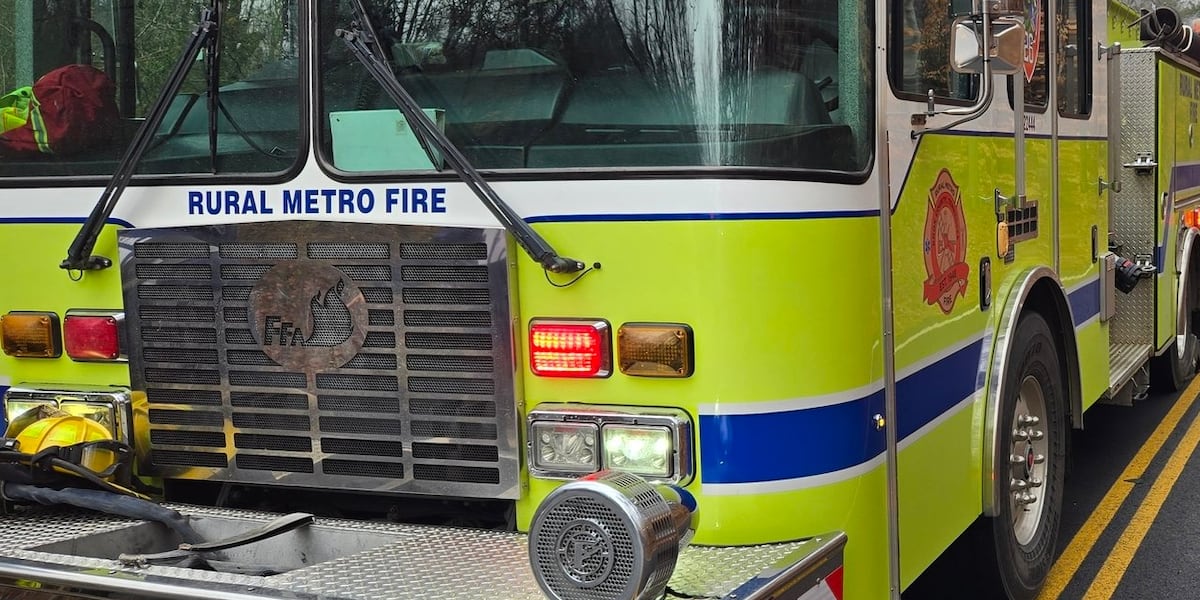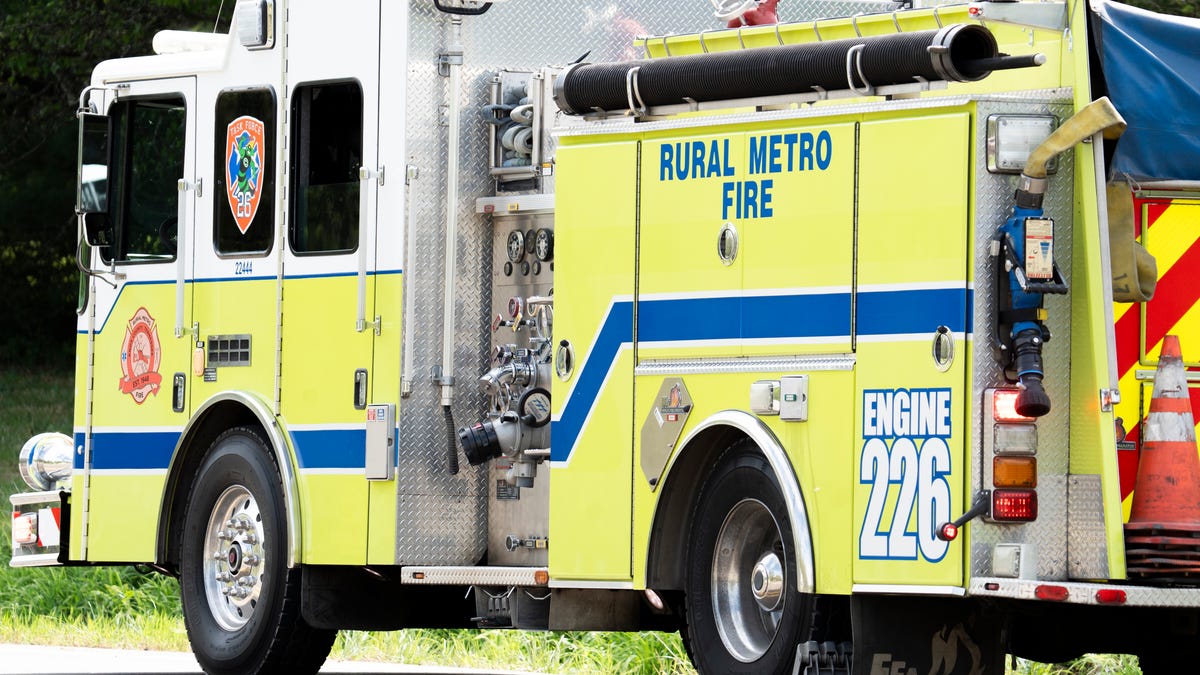
The structural fire that ravaged the Cheers at Choto restaurant in far west Knox County on the morning of June 10, 2026, offers a compelling case study in the multifaceted operational and systemic vulnerabilities inherent to commercial waterfront properties. Emergency dispatch records indicate the Rural Metro fire department was summoned to the Choto Marina at approximately 7:00 a.m. Eastern Time, confronting a rapidly escalating blaze that threatened not only the primary hospitality structure but also adjacent high-risk marine infrastructure. While the main building sustained catastrophic damage, first responders commendably prevented the fire from reaching critical fuel dispensing systems and nearby boat slips, thus averting a far larger environmental and economic catastrophe.
Strategic Asset Preservation and Tactical Containment
The successful containment of the fire, specifically the preservation of the marina’s fuel pumps and boat slips, underscores the intricate tactical complexity of waterfront emergency operations. Marine environments present a uniquely volatile risk profile due to the immediate proximity of highly flammable petroleum products, combustible wooden docks, and fiberglass vessels to open water. Had the blaze breached fuel containment systems, the incident would have metastasized from a localized structural loss into a major environmental emergency, triggering widespread hydrocarbon contamination in public waterways and extensive remediation costs.
Rural Metro’s strategic isolation of the thermal threat from vital fueling infrastructure demonstrates a highly coordinated defensive strategy, prioritizing critical capital assets under extreme pressure. Furthermore, protecting boat slips is paramount for maintaining the long-term economic viability and operational integrity of the marina ecosystem. These slips represent concentrated private capital, housing vessels highly susceptible to thermal degradation, toxic smoke inhalation, and potential sinking. By establishing an effective defensive perimeter, emergency crews mitigated millions of dollars in potential secondary property losses, emphasizing the pivotal role of advanced pre-fire planning and specialized training for emergency services operating in complex, mixed-use marine zones.
Seasonal Economic Exposure and Commercial Interdependency
The timing of the incident on June 10, 2026, places the destruction of Cheers at Choto at the absolute apex of the summer recreational season, thereby maximizing economic disruption for both the operators and the broader marina-dependent economy. Waterfront hospitality venues inherently rely on a compressed, high-revenue window from late spring to early autumn to offset leaner off-season yields. The abrupt loss of this physical plant during such a critical period instantly halts cash flow, severely disrupts seasonal employment agreements, and impacts local supply chains servicing the hospitality sector. This acute seasonal dependency dramatically amplifies the financial shock, making rapid business interruption assessment and robust recovery planning indispensable.
Beyond the immediate revenue loss for the restaurant, the destruction of a popular waterfront anchor establishment creates profound cascading effects on surrounding marina operations. Venues like Cheers at Choto serve as primary foot-traffic generators, attracting visitors who subsequently purchase marine fuel, rent boat slips, and patronize auxiliary retail and service providers. The temporary or permanent absence of this commercial magnet can lead to a measurable decline in overall marina visitation, jeopardizing the economic viability of co-located businesses and highlighting the intricate interdependency within the marina’s commercial ecosystem. Consequently, financial recovery processes must account for these interconnected revenue streams and the venue’s broader regional economic footprint.
Logistical Complexities of Waterfront Emergency Response
Responding to structural fires at marinas introduces unique logistical bottlenecks that markedly differ from standard municipal firefighting scenarios. Waterfront properties often feature restricted overland access routes, narrow service roads, and congested parking areas, all of which can severely delay the deployment of heavy apparatus and personnel. Moreover, the physical layout of docks and piers necessitates firefighters laying extensive hose lines over water, contending with significant friction loss and inherent physical instability. Rural Metro’s rapid intervention at Choto Marina implies a deep understanding of these spatial constraints and the imperative for immediate, decisive positioning upon arrival.
Water supply logistics present a distinct paradox in marine firefighting: the abundance of open water does not automatically translate into readily available suppression capabilities. Utilizing raw lake or river water demands specialized drafting equipment and robust filtration systems to prevent debris from damaging high-pressure fire pumps. This often compels responders to rely on land-based hydrant networks, which can exhibit limited flow rates in far suburban or rural districts. The successful mitigation of the Cheers at Choto fire, with no reported injuries, strongly suggests that water supply coordination and apparatus positioning were executed with exceptional efficiency, preventing the thermal column from escalating or spreading to adjacent exposures.
Environmental Safeguards and Intensified Regulatory Scrutiny
The successful preservation of the fuel pumps at Choto Marina averted a highly complex regulatory and environmental crisis typically associated with marine fuel incidents. Petroleum spills in recreational waterways trigger immediate and overlapping jurisdiction from state environmental protection agencies, federal entities like the Coast Guard, and local water quality boards, leading to exorbitantly costly remediation efforts and severe legal liabilities. The containment of the fire thus prevented the release of hydrocarbons into the aquatic ecosystem, shielding marina operators and local municipalities from extensive environmental cleanup protocols and arduous long-term ecological monitoring.
In the wake of this incident, regulatory scrutiny regarding fire safety standards at waterfront commercial properties is poised to intensify significantly. Regulatory bodies frequently leverage near-miss events or actual disasters to re-evaluate and update existing codes, particularly concerning mandated separation distances between high-risk commercial kitchens and marine fueling stations. Operators of similar facilities across the region may face renewed pressure to upgrade their fire suppression systems, install advanced thermal monitoring technologies, and revise emergency evacuation and business continuity protocols to satisfy evolving risk mitigation standards demanded by local authorities and environmental oversight agencies.
Real-Time Media Dynamics and Crisis Communication
The rapid dissemination of incident details via social media platforms, particularly Facebook, vividly illustrates the shifting dynamics of modern crisis communication and public relations. Early morning uploads of the massive blaze by local citizens provided immediate visual confirmation of the event, often hours before official media outlets could deploy field reporters. While this real-time crowdsourcing of information enhances public awareness, it simultaneously presents formidable challenges for emergency managers who must diligently control the narrative to prevent panic, ensure public safety, and maintain clear access roads for incoming emergency vehicles.
Rural Metro’s prompt public request for citizens to avoid the Choto Marina area was a pivotal operational maneuver to mitigate traffic congestion on narrow access routes. In high-profile incidents, onlookers and recreational boaters, often drawn by social media broadcasts, can inadvertently obstruct emergency lanes, critically delaying secondary response units and support services. The strategic integration of official updates from authoritative local news outlets like the Knoxville News Sentinel and WVLT helped channel public attention toward verified sources, demonstrating the absolute necessity of a coordinated media strategy as an integral component of active, high-visibility emergency management protocols.
Long-Term Insurance Challenges and Structural Resilience
The protracted path to reconstruction for Cheers at Choto will inevitably involve navigating highly complex commercial insurance claims and stringent environmental permitting processes. Waterfront property insurance carries elevated premium rates reflecting the inherent actuarial risks of flood, wind, and fire, with underwriters meticulously scrutinizing the structural integrity and safety systems of insured assets. The extensive damage to the building will necessitate a comprehensive forensic engineering assessment to ascertain whether any portion of the foundation or utility infrastructure can be salvaged, or if a complete demolition and reconstruction from the ground up are required.
Furthermore, rebuilding commercial structures over or immediately adjacent to public waterways involves navigating a dense, multi-layered web of local, state, and federal zoning regulations and environmental protection laws. Rigorous environmental impact assessments must be conducted to ensure that construction activities do not disrupt local aquatic habitats or compromise water quality. These intricate regulatory hurdles, combined with the often-protracted timelines required to settle complex commercial property and business interruption insurance claims, suggest that the physical recovery of the site will be a multi-phase, capital-intensive, and long-term endeavor demanding significant strategic coordination and resilient patience from all stakeholders.