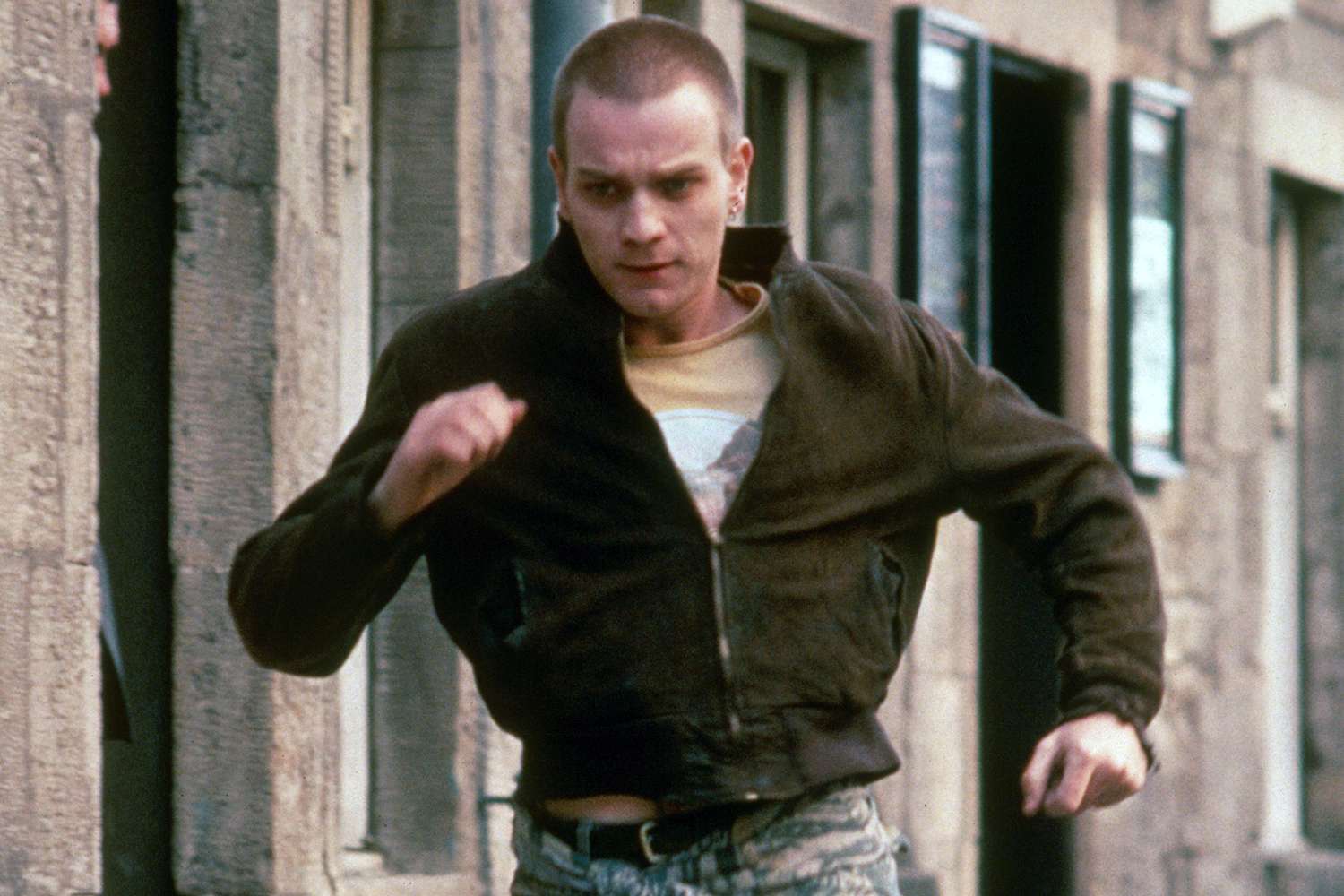
Danny Boyle Refines ‘Trainspotting’ for 30th Anniversary 4K Remaster
In anticipation of its 30th-anniversary celebration, director Danny Boyle has overseen a precise digital enhancement to the concluding sequence of his seminal 1996 cult classic, ‘Trainspotting.’ This meticulous 4K remastering effort specifically addresses Boyle’s long-held desire to fully realize the scene’s original intended visual impact, an effect he felt was not perfectly captured during the initial production. This intervention highlights the evolving interplay between a director’s enduring artistic vision and the advanced technological capabilities now available for film preservation and re-release, underscoring the film’s sustained significance within Boyle’s distinguished oeuvre.
Artistic Intent, Digital Restoration, and Cinematic Influences
Boyle’s targeted digital adjustment for the 4K remaster exemplifies a wider industry trend: the re-evaluation of cinematic heritage through contemporary post-production. This process aims not merely at technical fidelity but at aligning historical works with their creators’ ultimate artistic intentions. Notably, the aesthetic inspiration for ‘Trainspotting’s’ final scene originated from the 1964 Cuban film ‘Memories of Underdevelopment,’ a discovery Boyle made at the Havana Film Festival. This cross-cultural genesis underscores the rich tapestry of global cinematic influences that shaped the film’s distinctive language. The comprehensive 4K restoration, set for a theatrical re-release on June 5, 2026, allows both ardent fans and new audiences to engage with ‘Trainspotting’ at its visual peak, strategically extending its cultural footprint and commercial viability by optimizing it for modern exhibition standards.
‘Trainspotting’: A Cultural Nexus and Defining Cinematic Legacy
‘Trainspotting’ transcends its initial 1996 release, remaining a profound cultural touchstone for three decades. Its unflinching narrative, chronicling the lives of four heroin addicts in late-1980s Scotland, captivated audiences with its raw energy, thematic depth, and kinetic, darkly humorous cinematic style. This visceral intensity, coupled with its innovative storytelling, solidified its status as a seminal work that continues to influence contemporary filmmakers and spark ongoing socio-cultural dialogue about addiction, alienation, and identity. The film’s unique alchemy and its capacity to provoke and resonate across generations are key drivers for its persistent critical acclaim and sustained commercial viability, making its 4K re-release a deliberate cultural event that bridges nostalgic appeal with new audience engagement.
Ewan McGregor on a Career-Defining Role
For lead actor Ewan McGregor, ‘Trainspotting’ proved to be a transformative project, elevating him to what he described as a “rock star” status despite previous significant roles. He candidly reflected that the film “set the bar unknowingly high,” creating an artistic benchmark that has been challenging to replicate. This sentiment speaks to the singular creative synergy achieved on set and the profound impact of inhabiting a character within such a groundbreaking narrative, defining not only McGregor’s public persona but also his personal metrics of artistic fulfillment.
Strategic Re-release and the Economic Lifecycle of Cult Films
The 30th-anniversary 4K remaster and theatrical re-release of ‘Trainspotting’ represent a shrewd industry strategy to maximize the long-term value of cinematic intellectual property. Such initiatives capitalize on established brand recognition and cult status, generating new revenue streams across theatrical exhibition, home media, streaming, and merchandise, often with reduced marketing overhead compared to new productions. By positioning ‘Trainspotting’ within the broader context of film history and heritage, this re-release not only satisfies a proven market demand for big-screen re-experiences of seminal works but also reinforces the film’s enduring cultural footprint, influencing future preservation efforts and marketing blueprints for other influential titles.
Conclusion: A Masterpiece’s Continued Evolution and Resonance
Danny Boyle’s decision to digitally refine a pivotal moment in ‘Trainspotting’ for its 30th-anniversary 4K remaster is more than a technical update; it’s a testament to the enduring quest for artistic perfection and the dynamic nature of cinematic legacy. This targeted intervention, combined with the film’s timeless themes and stylistic boldness, ensures its continued relevance as a cultural artifact. As ‘Trainspotting’ enters its fourth decade, its re-presentation in a perfected format reinvigorates its dialogue with new generations, confirming its indelible place in film history and its ongoing power to captivate and provoke.