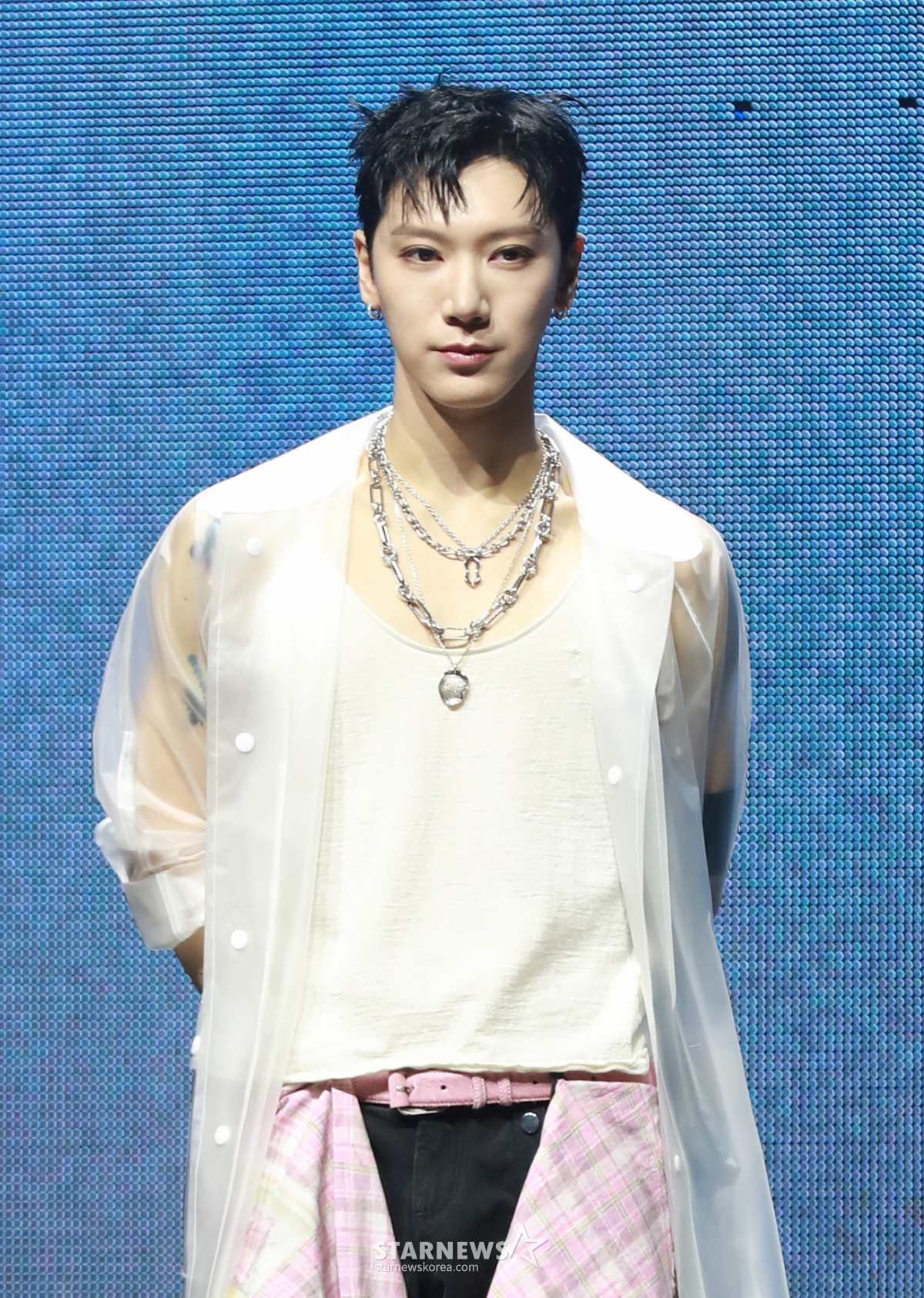
The conclusion of Ten’s exclusive contract with SM Entertainment on April 8 marks a pivotal evolution in K-pop’s traditional talent management framework. This transition shifts Ten from a centralized exclusive model to a collaborative, decentralized structure. By decoupling individual management from group participation, SM Entertainment is attempting to preserve the institutional stability of the NCT and WayV brands while granting the artist the autonomy necessary for high-level solo diversification.
The Economics of Decoupled Management
From a financial standpoint, this arrangement represents a strategic trade-off. SM Entertainment relinquishes full margin capture on Ten’s solo revenue—a significant asset given his global versatility—to mitigate the ‘departure risk’ that often destabilizes multi-unit groups. By retaining Ten within WayV and NCT U, the agency protects the brand equity and touring viability of these collective units. For stakeholders, this model serves as a risk-management tool, ensuring that group-related intellectual property (IP) remains commercially active despite shifts in individual contractual status.
Comparative Analysis: The Divergent Exits of Ten and Mark
The simultaneous exit of Mark on the same Wednesday highlights a strategic bifurcation in SM’s retention policy. While Ten’s transition is additive—maintaining group continuity via a hybrid agreement—Mark’s total severance suggests a definitive conclusion to his tenure. This contrast implies that SM is abandoning ‘one-size-fits-all’ renewals in favor of bespoke arrangements that weigh an artist’s individual market value against the agency’s long-term production pipeline requirements. This institutional restructuring is likely a manifestation of the ‘NCT 3.0’ strategy, which prioritizes decentralized growth and external partnerships.
Operational Friction and Third-Party Coordination
While strategically sound, the operational logistics of this transition introduce new complexities. SM Entertainment must now navigate third-party negotiations for every NCT comeback, global tour, or endorsement involving Ten. This layer of external coordination could potentially impact the agility of release schedules and the creative cohesion of high-concept projects like SuperM. The agency’s success will depend on its ability to manage these inter-agency protocols without diluting the brand’s output quality.
Conclusion: A New Precedent for Artist Autonomy
Ten’s move sets a vital precedent for veteran K-pop idols, proving that brand loyalty is no longer inextricably linked to exclusive management contracts. If this coordination proves successful, it could catalyze a broader shift toward a fragmented yet collaborative industry landscape. For SM Entertainment, the coming months will test the resilience of the NCT brand architecture and its ability to thrive under a decentralized management ethos.