Mariners Target Eighth Consecutive Victory
The Seattle Mariners aim to extend their impressive seven-game winning streak to eight as they host the New York Mets for a series opener on June 2, 2026. This sustained performance indicates a significant shift in momentum, potentially impacting their season trajectory and divisional standing.
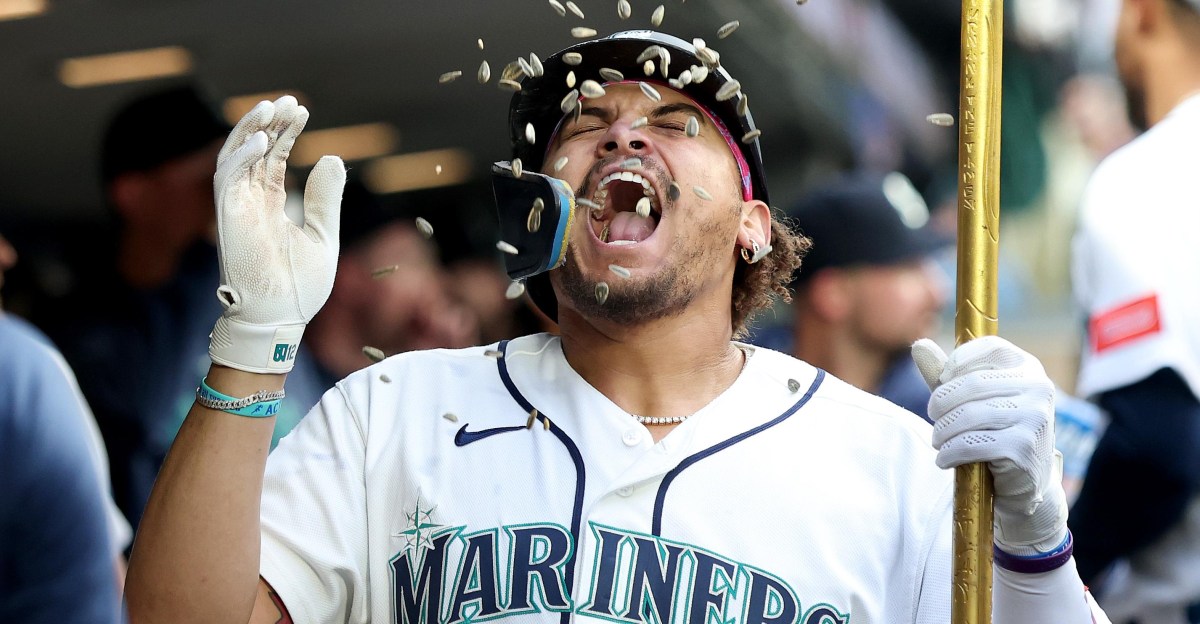
The Mariners’ recent success is underscored by their resilience in extra-inning games. Three of their last four victories were decided in extra frames, highlighting their ability to execute under pressure and capitalize on late-game opportunities, specifically by scoring the automatic runner in the bottom of the tenth inning after holding opponents scoreless.
With a .500 record (4-4) in extra-inning contests this year, the Mariners demonstrate a developing strategic advantage. This capability to consistently win close, extended games is a critical indicator of team depth and mental fortitude, often separating playoff contenders from mid-tier clubs.
Mets’ Strategic Bullpen Approach
The New York Mets are employing an “opener” strategy for the second consecutive game, signaling a deliberate plan to manage their pitching staff against the surging Mariners. This tactic, deploying Huascar Brazobán initially before transitioning to Jonah Tong for the bulk of the contest, aims to disrupt the opponent’s offensive rhythm and maximize bullpen efficiency.
The decision to utilize successive right-handed pitchers can influence batter matchups and strategic adjustments. This specific pairing of Brazobán and Tong suggests a calculated effort to leverage pitcher profiles against the Mariners’ lineup, potentially exploiting perceived weaknesses.
This bullpen-centric approach at the start of June may indicate underlying concerns about starting pitching depth or a strategic decision to conserve key arms. It reflects an organizational philosophy prioritizing flexible and adaptive pitching plans.
Key Personnel Decisions and Injury Impact
Josh Naylor’s absence from the Mariners’ starting lineup for an “extra day of rest” following his game-tying home run, despite leaving the game with back spasms, illustrates a delicate balance between player management and immediate competitive needs. His potential availability off the bench highlights the team’s strategy of managing player fatigue and minor injuries while maintaining offensive firepower.
Naylor’s situation underscores the broader challenge teams face in optimizing player availability and performance throughout a long season. The decision to rest a key hitter reflects a long-term perspective on player health and sustained productivity.
Furthermore, Cal Raleigh’s ongoing recovery from a right oblique strain signifies another critical personnel consideration for the Mariners. The team’s ability to navigate these absences while maintaining a winning streak is a testament to their roster depth and player rehabilitation programs.
Broadcast and Operational Details
The game is scheduled for a 1:10 PM local time start on June 2, 2026, with broadcast coverage on SNY for the Mets’ regional audience. Radio broadcast will be available via Audacy, WHSQ 880AM, and 92.3 HD2.
The 9:40 PM ET first pitch time, adjusted for the Pacific Time Zone, indicates logistical considerations inherent in cross-country scheduling. This temporal adjustment impacts fan engagement patterns, particularly for East Coast audiences.
The specific broadcast channels and radio frequencies highlight the established media infrastructure supporting Major League Baseball’s complex network of rights holders and distribution platforms.
Lineup Analysis and Strategic Implications
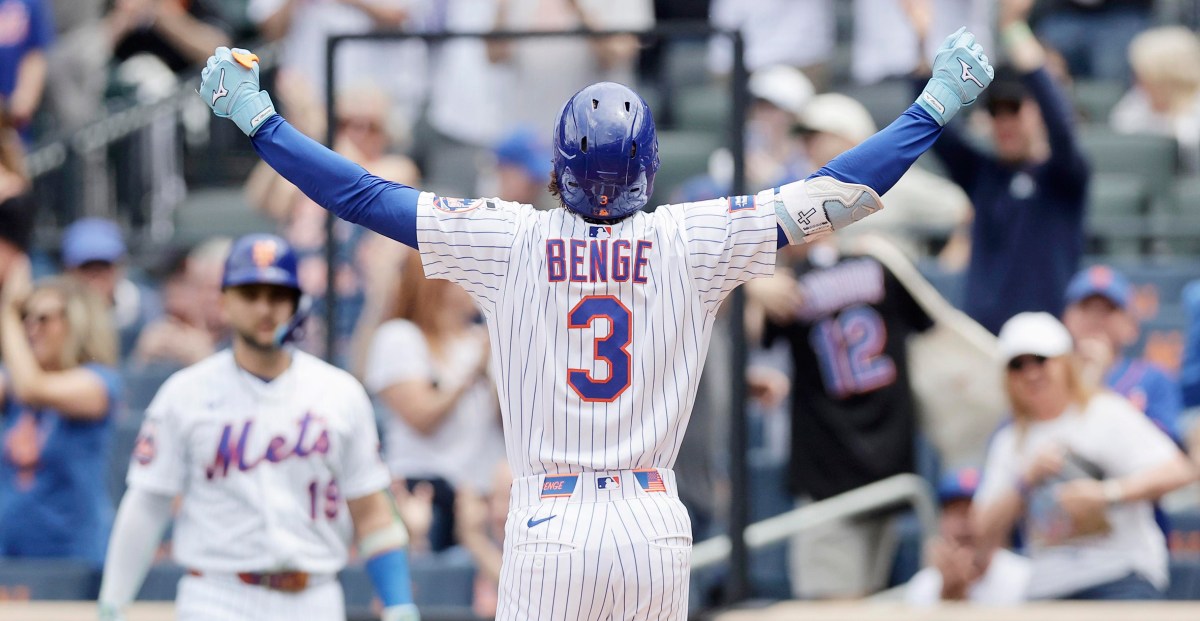
The Mets’ projected lineup features Carson Benge (RF), Juan Soto (LF), and Jared Young (1B), with A.J. Ewing in center field, suggesting a strategic deployment of offensive talent.
The inclusion of Marcus Semien at second base and Brett Baty at third base for the Mets indicates a reliance on established veterans alongside emerging talent, balancing immediate performance with long-term team building.
For the Mariners, the lineup is anchored by J.P. Crawford (SS) and Julio Rodriguez (CF), with Randy Arozarena (LF) and Luke Raley (RF). This core group represents the team’s offensive engine and will be critical in sustaining their winning momentum.
The designated hitter role, occupied by MJ Melendez for the Mets and Rob Refsnyder for the Mariners, reflects a common strategic decision to maximize offensive output by incorporating an additional strong bat.
The starting pitchers, Austin Warren for the Mets (as an opener) and Emerson Hancock for the Mariners, set the initial strategic tone. Warren’s role is a direct extension of the Mets’ bullpen-focused game plan, while Hancock’s start signifies the Mariners’ reliance on their traditional starting rotation.
Logan Gilbert is slated to pitch the following day for the Mariners, indicating a rotation managed carefully. Gilbert’s recent performance, with 11.2 scoreless innings over his last two starts, highlights his current form and importance.
The strategic deployment of openers by the Mets against a team on a significant winning streak suggests a high degree of analytical preparation and a willingness to deviate from conventional strategies to disrupt the Mariners’ established offensive flow.
The Mariners’ consistent performance, particularly in close games, points to a well-drilled operational unit capable of executing game plans effectively. This includes their ability to manage the automatic runner in extra innings, a nuanced skill requiring precise execution.
The financial implications of sustained winning streaks can influence ticket sales and merchandise revenue. Conversely, a strategic bullpen game might be a cost-effective approach for the Mets to manage resources and maintain competitiveness.
The competitive landscape of Major League Baseball is shaped by these strategic decisions. The Mariners’ surge and the Mets’ tactical approach exemplify the dynamic interplay of performance, strategy, and resource management.
The media narrative will be influenced by the outcome. The Mariners’ pursuit of a historic streak will be a focal point, while the Mets’ innovative pitching strategies will be scrutinized for their effectiveness.
Ultimately, the interaction between the Mariners’ offensive momentum and the Mets’ strategic pitching will dictate the flow of this game and the series. Adaptability and execution under pressure will be the defining factors.
The Mariners’ current performance trajectory, marked by their extended winning streak and extra-inning proficiency, suggests a team that has found a critical rhythm. This success often indicates strong coaching, effective player development, and a cohesive team culture.
The Mets’ reliance on an “opener” strategy highlights a trend towards maximizing analytical advantages and optimizing bullpen utilization. This can be particularly effective against teams that may not have extensive experience facing multiple early-game pitchers.
The inclusion of players like Josh Naylor and Cal Raleigh in injury discussions underscores the operational complexities of managing a professional roster, involving significant financial considerations related to contracts and long-term stability.
The broadcast information illustrates the intricate media ecosystem supporting professional sports, with broadcasting rights generating revenue and maintaining brand visibility.
The lineups offer a snapshot of current offensive strengths and strategic priorities. The Mariners’ lineup is designed for consistent run production, while the Mets’ aims to exploit pitching matchups.
Strategic implications extend beyond the immediate game. A prolonged Mariners streak could alter their market perception, while the Mets’ tactical approach could influence other teams’ pitching staff management.
Performance leverage for the Mariners lies in their momentum and demonstrated ability to win close games, suggesting a psychological advantage. For the Mets, leverage comes from strategic flexibility and the potential to disrupt the Mariners’ rhythm.
Successful seasons, fueled by winning streaks, can lead to increased revenue streams, impacting a team’s ability to invest in player contracts and analytics, shaping future competitive dynamics.
The competitive implications of the Mariners’ streak are clear: they are positioning as a significant threat. The Mets, by employing a strategic bullpen game, signal their intent to compete effectively by leveraging their roster and strategic acumen.
The downstream effects could include shifts in divisional standings and adjustments in playoff projections. Media coverage will amplify these narratives, shaping public perception and fan engagement.
Operational decisions, such as the use of an opener by the Mets and injury management by the Mariners, are critical components of their strategies, informed by extensive data analysis and scouting reports.
Incentives are clear: the Mariners are incentivized to continue their streak to solidify playoff position, while the Mets are incentivized to win games to climb the standings and validate their strategic approach.
The Mariners’ exposure lies in potentially faltering after a strong run, leading to increased scrutiny. The Mets are exposed if their unconventional strategies prove ineffective, potentially leading to criticism.
Stakeholder implications are broad, encompassing players, coaches, front office, ownership, and the fanbase. A successful streak boosts morale and financial returns, while strategic decisions impact daily operations and performance.
Potential consequences could range from a boost in the Mariners’ playoff aspirations to validation of the Mets’ innovative strategy, contributing to the evolution of baseball strategy and analytics.
The structural logic of baseball competition dictates that sustained success requires adaptability and strategic foresight. The Mariners’ performance exemplifies the former, while the Mets’ pitching plan showcases the latter, creating compelling strategic tension.
Institutional depth, from player development to analytics departments, plays a crucial role in executing strategies. The success of a winning streak or innovative pitching approach reflects the strength of these underlying structures.
The cultural impact within each clubhouse will be significant. A winning streak fosters a positive atmosphere, while a strategic approach can build trust in the coaching staff’s ability to devise winning plans.
The market context for Major League Baseball is one of continuous innovation and competition. Teams that effectively leverage data and adapt strategies are best positioned for long-term success, as illustrated by this series.