Contrasting Trajectories Define Coupe de France Final Stakes
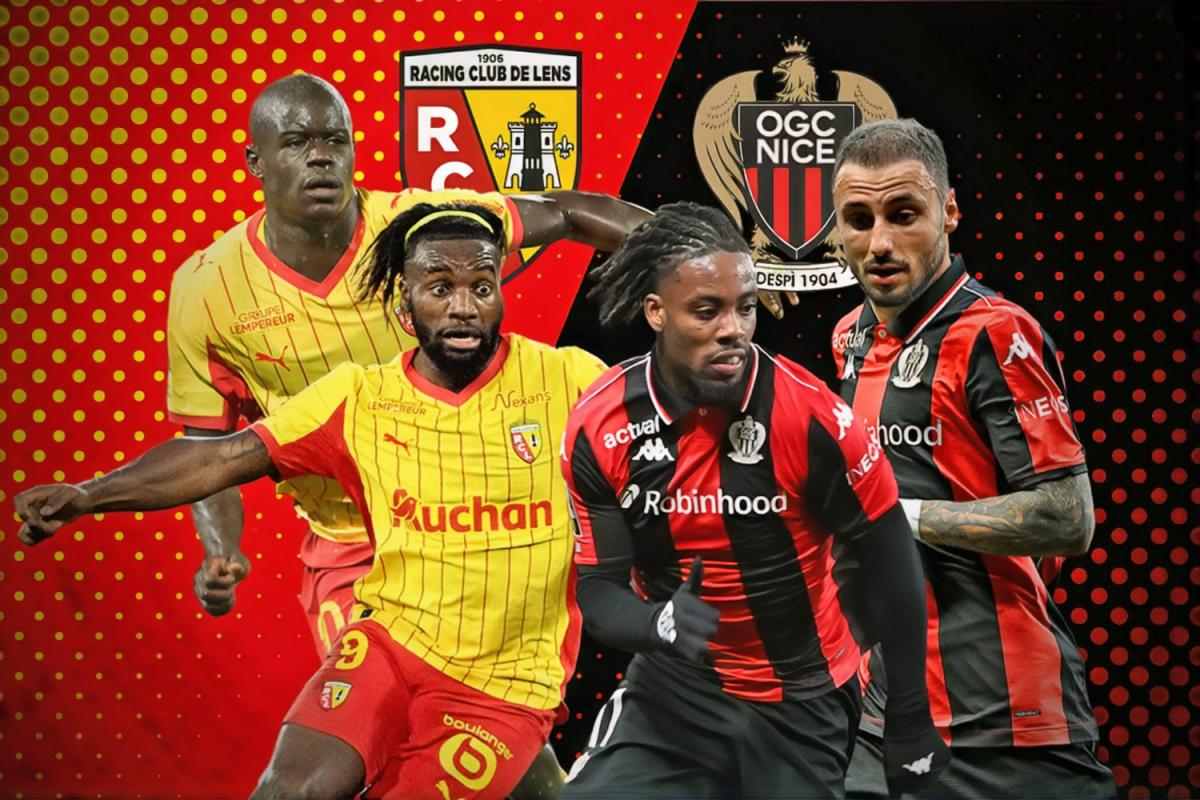
The Stade de France hosts the Coupe de France final, pitting Lens against Nice. This fixture starkly illustrates divergent season trajectories and critical strategic imperatives for both clubs. Lens, having secured Ligue 1 runner-up status and Champions League qualification, approaches the final as a potential crowning achievement. Conversely, Nice faces a precarious league position, requiring a playoff to retain top-flight status, rendering the final a secondary concern in terms of immediate existential threat.
This performance disparity dictates the immediate stakes: for Lens, the final offers a tangible chance to add a coveted trophy to a highly successful season, solidifying their European contender status. For Nice, regaining momentum and confidence ahead of a decisive playoff series is paramount, with the cup final a potential, but not primary, morale booster.
Player Journeys and Strategic Recruitment Valued
The final narrative is enriched by player journeys like Jonathan Clauss. His rise from the German second division to a pivotal role for Lens exemplifies strategic talent investment. Shrewd recruitment, driven by video analyst Alexandre Pasquini and the club’s scouting department, identified and nurtured a player with an atypical profile, integrating him effectively into a growth-oriented system.
Clauss’s impact transcends his on-field contributions; his candid persona offers a refreshing perspective. His journey highlights the efficacy of scouting beyond conventional pathways and the performance leverage achievable through cost-effective acquisition. This approach contrasts with clubs reliant on larger transfer budgets, demonstrating that strategic insight and developmental infrastructure offer potent competitive advantages.
Strategic Divergence Reflects Market Positioning
The contrasting league fortunes of Lens and Nice reflect broader strategic decisions and market positioning within French football. Lens’s consistent performance and Champions League qualification signal a successful long-term strategy focused on sustainable growth and competitive development. Their ability to challenge for top honors, despite lacking the financial might of some rivals, underscores effective resource allocation and coaching acumen.
Nice’s struggles suggest potential missteps in recruitment, management, or strategic direction, leading to their vulnerable league position. Their reliance on a Coupe de France victory for morale before a relegation playoff indicates a reactive strategic posture. While their historical success in the competition (three titles) offers a psychological anchor, the immediate threat to their league status overshadows this prestige.
Market Dynamics and Stakeholder Financial Implications
Significant financial implications stem from each club’s current situation. Lens’s Champions League qualification unlocks substantial revenue streams from broadcasting rights, prize money, and enhanced commercial appeal, reinforcing their competitive standing. A Coupe de France win would further amplify brand value and attract investment, creating a virtuous cycle of success.
Conversely, the specter of relegation poses severe financial consequences for Nice, including reduced broadcast revenue, diminished sponsorship appeal, and potential player departures. The playoff battle is a critical juncture impacting financial stability and long-term planning. Club president Jean-Pierre Rivère’s public frustration highlights the pressure on management to navigate this challenging period.
Competitive Pressures and Historical Context Highlight Dynamics
The Coupe de France, often a secondary competition, assumes heightened importance due to the clubs’ circumstances. For Lens, it offers a tangible opportunity for a historic first title, adding a significant chapter to their legacy and galvanizing fan support.
Nice’s historical pedigree in the Coupe de France (three titles) provides a psychological anchor. However, their recent form—three wins in their last fourteen matches—suggests historical success may not be sufficient. Their cup resilience, including a quarter-final win via penalties, demonstrates capacity under pressure despite broader team difficulties.
Media Narrative and Fan Engagement Shaped by Contrast
The media narrative is heavily influenced by the stark contrast in league campaigns. Lens is portrayed as the ascendant force pursuing a historic triumph, while Nice is framed as the underdog battling for redemption and survival. This framing impacts public perception, fan engagement, and player psychology.
The presence of former players, like Clauss for Lens, adds a personal dimension, fostering deeper fan connection and media interest. Such storylines resonate by highlighting the human element and emotional stakes beyond the competitive outcome.
Operational Strategy vs. Immediate Challenges
Lens’s operational strategy centers on player development, astute recruitment, and team cohesion under coach Franck Haise. Their consistent Ligue 1 performance and deep cup run indicate a well-oiled machine maximizing resources. This operational stability provides a strong foundation for sustained success and future planning.
Nice’s operational challenges are evident in their inconsistent league form, necessitating a focus on damage control and immediate performance improvement. Their strategic outlook must now contend with potential relegation fallout, requiring contingency planning for player retention, financial adjustments, and potential rebuilding phases. The upcoming playoff matches are critical decision points for the club’s future direction.
External Incidents Add Layer of Complexity
Reports of incidents involving Nice, alluded to by Jean-Pierre Rivère’s condemnation of events that “tarnish the image” of the club, add complexity. While specifics are not detailed, their mention by a club official suggests potential internal or external pressures impacting team focus and public perception.
Such off-field issues can create significant distraction and amplify pressure on a team already scrutinized for its league performance. Club leadership faces the dual task of tactical preparation and managing reputational damage while maintaining team cohesion amidst potential controversy.
Implications for French Football’s Competitive Balance
The contrasting fortunes of Lens and Nice serve as a microcosm of competitive balance dynamics in French football. Lens’s rise exemplifies how clubs can ascend through strategic planning and consistent performance, challenging the established order. Their success offers a blueprint for other clubs seeking to compete for major honors.
Conversely, Nice’s struggles highlight the vulnerability of teams experiencing significant performance dips. The financial and reputational consequences of such downturns underscore the importance of sustained strategic vision and operational resilience. The league’s competitive landscape is shaped by clubs’ ability to adapt and maintain high performance over time.
Player Motivations Driven by Career and Club Stakes
For individual players, the Coupe de France final holds different significance. Lens’s players, especially those like Clauss with rapid ascents, are motivated by adding a major trophy and solidifying their reputations, amplified by the prospect of Champions League football.
Nice’s players face the dual motivation of winning a prestigious cup and, critically, securing Ligue 1 status. A strong final performance could provide a much-needed confidence boost and rallying point for playoff matches. The pressure to perform is immense, as individual career trajectories hinge on the club’s league fate.
Coaching Acumen as a Determinant Factor
The tactical approaches of Franck Haise (Lens) and his Nice counterpart will be critical. Haise has consistently instilled a strong tactical identity and fostered team cohesion at Lens, a cornerstone of their success. His strategic acumen is central to their impressive league performance.
The Nice coaching staff faces the formidable task of galvanizing a team struggling for consistency. Their challenge lies in finding the right tactical setup and motivational approach to overcome Lens’s form and secure a victory that could salvage their season, testing their leadership and strategic flexibility.
Fan Expectations Intertwined with Club Identity
The Coupe de France final is a significant cultural moment for both clubs, deeply intertwined with their identities and fan bases. Lens, with a passionate following, has a historical yearning for a major trophy, and this final offers a tangible opportunity.
Nice, with its own rich history in the competition, also carries significant fan expectations. However, the current league predicament shifts the primary focus towards survival, casting a shadow over typical celebratory atmosphere. Managing these competing pressures and channeling fan support effectively will be crucial.
Future Development Hinges on Final and Playoff Outcomes
The outcome of the Coupe de France final, coupled with Nice’s playoff results, will profoundly impact the future development of both clubs. For Lens, a victory would likely accelerate growth, attracting investment and reinforcing their position as a top-tier French club with European aspirations, validating their strategy.
For Nice, the scenario is more uncertain. A loss in the final followed by relegation would necessitate significant strategic reevaluation, possibly involving squad overhaul and a rebuilding phase. Conversely, a final win and league survival could provide impetus to regroup and refocus on future competitiveness, albeit after narrowly avoiding a major setback.