
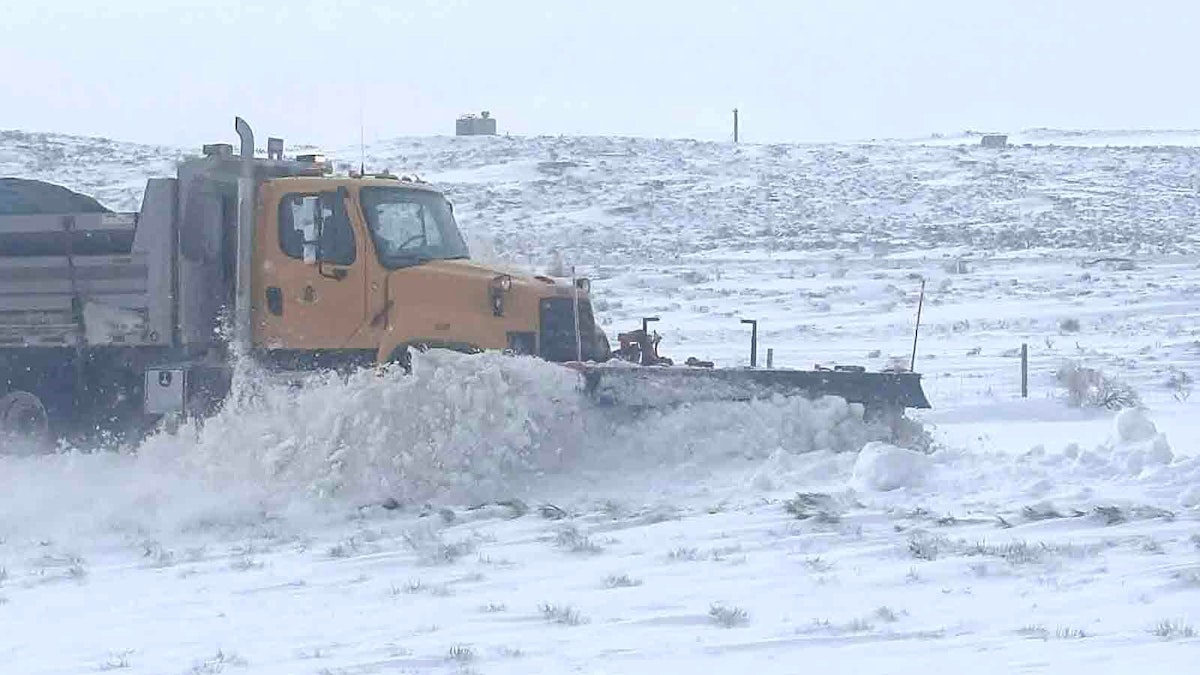
Systemic Vulnerabilities in Transcontinental Transit
The closure of over 200 miles of Interstate 80 in Southern Wyoming underscores the fragility of critical transcontinental transit corridors. Rapid snow accumulation, reaching 30 inches, effectively severed a primary artery for North American commercial freight and passenger travel, demonstrating how extreme meteorological events can exceed current infrastructure design tolerances.
Infrastructure Interdependency and Operational Constraints
Operational paralysis was compounded by power transmission failures in Carbon County, which directly impeded the Wyoming Department of Transportation’s (WYDOT) snow-clearing capacity. The reliance on centralized refueling hubs in Rawlins and Sinclair reveals a significant strategic vulnerability: when the power grid fails, the resulting inability to dispense fuel creates a systemic bottleneck. Without localized, redundant power or decentralized fuel reserves, maintenance crews are forced to divert resources, exacerbating highway closure durations and increasing risks to stranded motorists.
Economic and Institutional Impact
The stagnation of commercial transit creates immediate ripple effects across the logistics industry, inflating operational costs and delaying time-sensitive supply chains. Beyond the transit sector, prolonged closures isolate regional institutions, including the Wyoming State Penitentiary, placing immense strain on local emergency management resources and disrupting essential personnel movement.
Risk Management and Strategic Resilience
State-led initiatives, such as implementing no-travel zones and closing auxiliary routes like U.S. 30 and Wyoming Highway 789, reflect a reactive, risk-mitigation approach to climate volatility. While these measures preserve safety, they highlight an urgent need for an integrated infrastructure framework. Future capital investment must transition from reactive maintenance toward proactive resilience, specifically focusing on hardening transmission lines against weather-related failure and integrating autonomous power systems for critical refueling infrastructure to prevent total corridor paralysis during future high-impact events.

Photo by 12019 on Pixabay.