Pennsylvania Unlocks $100 Million for Community EV Charging Initiative
Pennsylvania is significantly expanding its electric vehicle (EV) charging infrastructure by allocating $100 million in federal funding via the National Electric Vehicle Infrastructure (NEVI) program. This substantial investment marks a strategic pivot, prioritizing public charging station installation within communities over a sole focus on major highways.
The initiative, termed “Community Charging,” aims to bridge accessibility gaps in towns and cities across the state. This approach directly targets consumer adoption barriers by placing charging points where residents live, work, and shop, enhancing the practical utility of EVs for a broader demographic.
Regional Rollout and Targeted Investment
The $100 million will be distributed regionally, commencing with southeastern Pennsylvania, including counties such as Bucks, Chester, Delaware, Montgomery, and Philadelphia. This initial phase will deploy approximately $34 million, signaling a targeted approach to stimulate EV adoption in densely populated areas with potentially higher demand.
This regional allocation strategy enables tailored deployment based on local needs and existing infrastructure, allowing transportation planning agencies to prioritize specific sites. The focus on publicly accessible locations ensures charging stations serve a wide range of users, including those without private charging facilities.
Building on Federal NEVI Investment
The current $100 million commitment builds upon prior federal funding. Pennsylvania has already committed $54 million to public charging initiatives through the NEVI program. To date, 29 federally funded stations are operational or under construction, representing an investment of approximately $17 million.
An additional 54 stations are in the planning stages, indicating a sustained and growing pipeline of federally supported EV charging projects. This consistent investment underscores a long-term state strategy to develop a robust and accessible charging network.
Community Engagement and Localized Planning
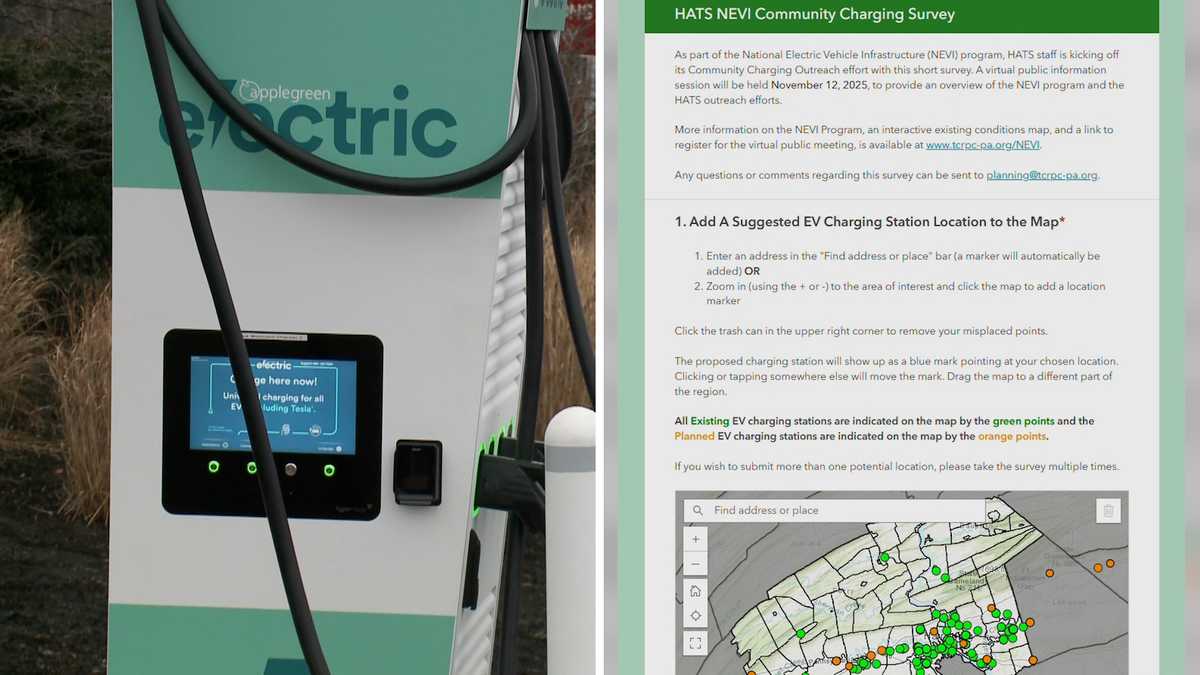
Beyond direct funding, Pennsylvania is actively engaging stakeholders through public input mechanisms. The Harrisburg Area Transportation Study, for example, is soliciting resident feedback via a survey to identify optimal locations for federally funded EV charging stations in Dauphin, Cumberland, and Perry counties.
This survey, which includes a map for suggested station placements and opinion-gathering questions, is crucial for aligning infrastructure development with community needs and preferences. The region is slated to receive between $3 million and $4 million for these community charging efforts, highlighting the localized impact of the broader state initiative.
PennDOT Partnerships and Stakeholder Collaboration
The Pennsylvania Department of Transportation (PennDOT) is collaborating with local transportation planning agencies on these planning efforts, emphasizing a decentralized decision-making process for site prioritization. This partnership model fosters responsiveness to local conditions and opportunities.
Furthermore, PennDOT has released a survey for businesses, property owners, and organizations to connect with charging developers and operators. This proactive step aims to streamline the application process and foster direct relationships, potentially accelerating project development and deployment.
Strategic Implications for EV Adoption
The shift towards community-based charging has significant strategic implications for EV adoption. By placing chargers in urban and suburban centers, Pennsylvania directly addresses range anxiety and convenience concerns for everyday commuters, a critical factor for mainstream EV uptake.
This strategy also positions the state to capture federal reimbursements and incentives more effectively, as NEVI program guidelines often favor accessible, public charging infrastructure. The success of this phase could influence other states’ approaches to NEVI fund allocation, potentially setting a precedent for community-centric EV infrastructure development.
Competitive Landscape and Industry Response
The substantial state investment is expected to intensify competition among charging network operators and hardware manufacturers. Companies vying for contracts must demonstrate technical capability alongside a strong understanding of community needs and deployment logistics.
This increased demand for charging solutions will likely spur innovation in charging technology, grid integration, and payment systems. It also presents opportunities for local businesses and property owners to become charging site hosts, generating new revenue streams and enhancing property value.
Economic and Environmental Benefits
The deployment of community EV chargers offers significant economic and environmental leverage. Increased EV adoption, facilitated by accessible charging, can lead to reduced transportation emissions, contributing to air quality improvements and climate change mitigation goals.
Economically, the expansion of the EV charging ecosystem supports job creation in installation, maintenance, and related services. It also positions Pennsylvania as a leader in the transition to sustainable transportation, potentially attracting further investment in the green technology sector.
Capital Infusion and Funding Mechanisms
The $100 million in federal funding represents a significant capital inflow into Pennsylvania’s clean energy infrastructure. The NEVI program, funded by the Bipartisan Infrastructure Law, provides a stable and substantial financial backbone for this expansion.
The phased regional rollout and the requirement for local planning agency involvement suggest a deliberate capital deployment strategy designed to maximize impact and ensure equitable resource distribution. This structured approach aims to avoid uncoordinated development and ensure efficient fund utilization.
Performance Metrics and Future Outlook
The success of the “Community Charging” phase will be measured by metrics such as the number of installed chargers, utilization rates, and the impact on EV adoption figures. Positive performance in these areas will provide leverage for securing future funding and advocating for continued state and federal support.
This initiative is a critical step in building a comprehensive EV charging network that supports the state’s climate goals and economic development objectives. The focus on community integration signifies a mature understanding of the factors necessary for widespread EV transition beyond early adopters.
Stakeholder Implications and Opportunities
For residents, the primary implication is increased convenience and reduced anxiety regarding EV ownership. Businesses and property owners can benefit from new revenue opportunities and by attracting EV-driving customers or tenants.
Charging network operators and manufacturers face a significant market opportunity but also the challenge of meeting diverse community needs and navigating regulatory landscapes. For utilities, this expansion necessitates grid upgrades and smart charging solutions to manage increased electricity demand.
Market Positioning Enhancement
Pennsylvania’s proactive stance on community EV charging could enhance its market positioning as a forward-thinking state in the clean energy transition. This may attract businesses and talent in the EV and renewable energy sectors.
The detailed planning and community engagement underscore a commitment to creating a user-centric charging experience, crucial for building consumer confidence and driving market penetration for electric vehicles.