Strategic Positioning in the Premium Retro Compilation Market
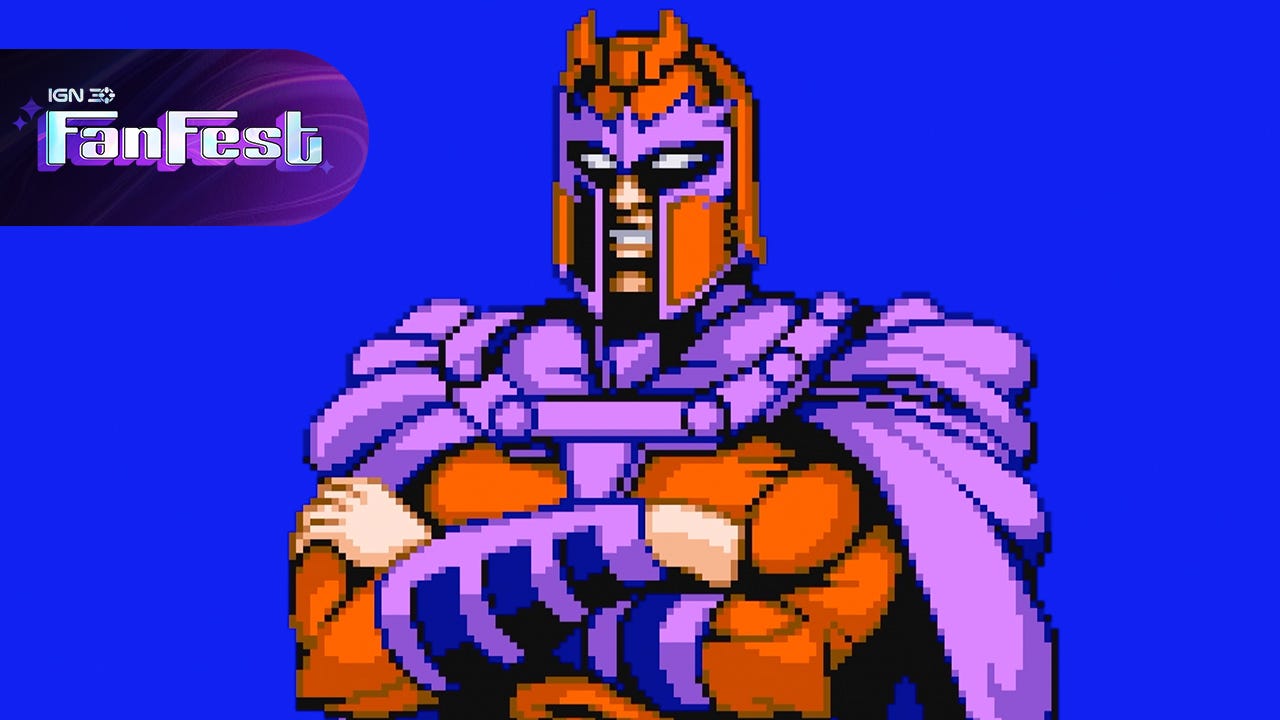
The confirmed 2026 release of the Marvel MaXimum Collection across Nintendo Switch, PlayStation 5, Xbox Series X/S, and PC establishes a high-water mark for licensed retro aggregation. This compilation, featuring 13 preserved titles including their unique console and handheld iterations, signals a significant capital deployment aimed at monetizing 16-bit and arcade IP nostalgia through modern feature parity.
Multi-Platform Deployment and Market Segmentation
Targeting the current console ecosystem simultaneously indicates a sophisticated understanding of retro market segmentation. The Nintendo Switch addresses the portable enthusiast segment, whereas the PS5 and Xbox Series versions target collectors demanding definitive, high-spec archival performance. Limited Run Games’ distribution nexus further suggests a dual revenue model leveraging both digital access and scarcity-driven physical collector editions.
Technical Fidelity as Competitive Differentiator
The commitment to integrating Rollback Netcode for key multiplayer titles, notably X-Men: The Arcade Game, is a direct competitive response to legacy emulation friction points. This non-trivial engineering investment moves the collection beyond basic preservation, aiming to meet contemporary online play expectations and justifying a premium price structure. Supplementary quality-of-life features—Save Anywhere and In-Game Rewind—further reduce historical design barriers, broadening appeal to newer audiences while respecting core mechanics.
Curation Strategy and Content Value Proposition
The collection’s anchor, the 1992 arcade classic, is complemented by titles like Spider-Man/Venom: Maximum Carnage and Venom/Spider-Man: Separation Anxiety, emphasizing genre consistency (beat-’em-up/action). Including disparate console/handheld versions necessitates complex emulation architecture but substantially elevates the perceived completeness. The reliance on a gradual reveal of the seven unconfirmed titles, spanning to the 2026 launch, is a calculated strategy to sustain media engagement over an extended pre-release window.
Production Investment and Fidelity Enhancement
The inclusion of bespoke new music from composer Chris Huelsbeck for the arcade title represents a calculated production cost increase that functions as a major value-add, specifically appealing to audiophiles and dedicated fans. This effort to curate definitive audio experiences differentiates the package from lower-effort emulation bundles reliant solely on original assets. This high-fidelity approach validates a strategic investment in archival quality over simple catalog mining.
IP Management and Archival Stakes
For Marvel IP stewardship, this project offers a controlled reintroduction of high-recognition character groupings (X-Men, Spider-Man, Venom) outside of current AAA cycles, potentially conditioning the market for future standalone remakes. Furthermore, the reliance on specialized publishers like LRG for technical execution underscores a structural trend: IP holders prioritize licensing agreements while outsourcing complex archival engineering and community management to entities with proven niche expertise. The PC release via Steam necessitates rigorous optimization to manage heterogeneous hardware expectations, a common challenge for ported legacy engines.
Market Validation and Competitive Benchmarking
Set for a 2026 launch, the collection enters a mature competitive landscape. Success hinges on the collective value of the remaining seven titles justifying the compilation’s cost against individual digital purchases. The reveal timing at IGN Fan Fest prioritizes direct engagement with core enthusiast communities. Institutionally, the commercial reception of this high-production-value project will serve as a key metric for other IP holders assessing the viability of similar, high-investment retro preservation efforts versus lower-cost catalog exploitation.