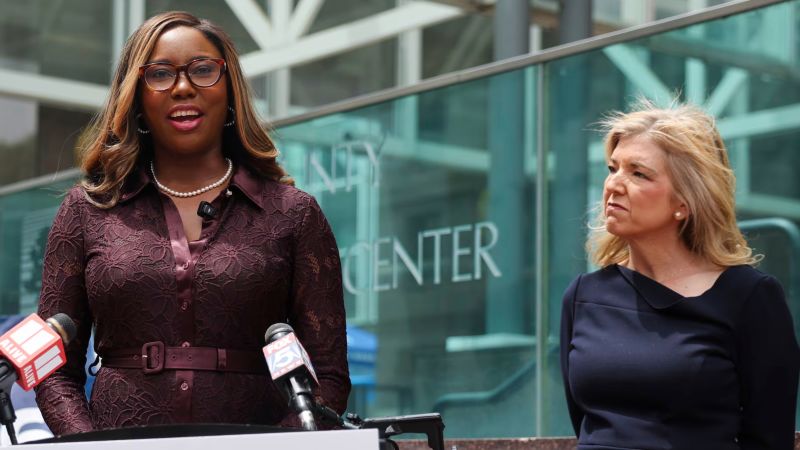
The Shift in Judicial Campaign Dynamics
Historically characterized by low-profile legal administration, the Georgia Supreme Court has evolved into a high-stakes arena for political competition. This election cycle marks a departure from judicial norms, as Democratic-backed challengers contest incumbent seats in a race with profound implications for the state’s judicial trajectory.
National political engagement—notably endorsements from former President Barack Obama for challengers Jen Jordan and Miracle Rankin—has signaled a shift in strategy. Conversely, incumbents Sarah Warren and Charlie Bethel are bolstered by Governor Brian Kemp’s leadership PAC, which has directed substantial capital toward protecting conservative judicial seats.
Institutional Implications of Partisan Alignment
The injection of $500,000 from the governor’s leadership PAC underscores the strategic priority of maintaining ideological consistency within the state’s high court. With eight of the nine justices appointed by Republican governors, the court serves as a critical bulwark for executive and legislative agendas. Success by challengers could initiate a long-term shift in the court’s composition, particularly as three additional GOP-appointed justices face reelection in 2028.
Judicial Ethics and Regulatory Challenges
The state’s Judicial Qualifications Commission has complicated these nonpartisan races by alleging that Jordan and Rankin likely violated the Code of Judicial Conduct. The investigation focuses on the candidates’ public endorsements of each other, an action the commission suggests blurs the required independence of judicial officers. This intervention, arriving shortly before the election, introduces significant regulatory uncertainty for the candidates’ final campaign efforts.
Policy Litigation and Judicial Neutrality
Heightened interest is linked to the court’s role in adjudicating electoral integrity and voting laws. As the final arbiter of state legal disputes, the Supreme Court has become a focal point for debates regarding the prosecution of public figures and the 2020 election aftermath. Furthermore, the emphasis on reproductive freedom has transformed judicial platforms into proxies for social policy, testing the traditional expectation of judicial detachment from legislative controversies.
Strategic Stakeholder Consequences
Incumbents face the paradox of maintaining perceived impartiality while relying on partisan financial support, creating structural tensions regarding the court’s neutrality. Meanwhile, the challengers face reputational risks from ethics allegations, which may alienate undecided voters who prioritize judicial independence over explicit partisan alignment.
Systemic Evolution
These races exemplify the national trend of dissolving barriers between partisan and nonpartisan judicial contests. As judicial decisions become increasingly pivotal to the resolution of state and national political disputes, the pressures to secure ideological alignment continue to intensify. The results of this election will serve as a bellwether for how state judiciaries navigate the tension between their role as neutral arbiters and their function within the broader political landscape.