Operational Volatility in Playoff Rotations
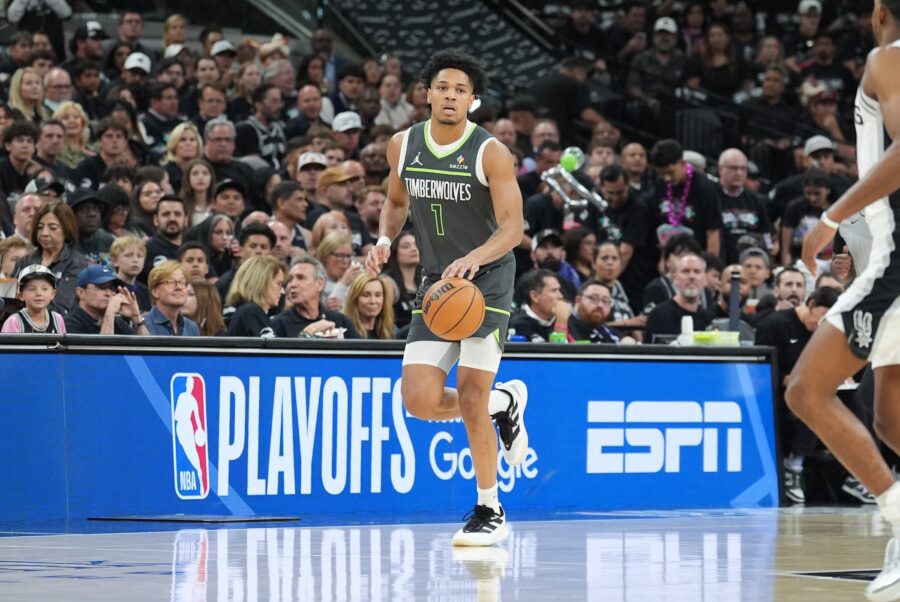
The Minnesota Timberwolves’ playoff series against the San Antonio Spurs highlights the precarious nature of roster management. The clearance of Terrence Shannon Jr. for Game 6 following a head contusion underscores the immediate operational risks teams face when core rotation members encounter late-stage injury concerns. Sudden shifts in active status create significant tactical uncertainty, forcing head coach Chris Finch to balance established rotation patterns against a roster thinned by high-profile absences, including the loss of Donte DiVincenzo.
The Strategic Imperative of Depth
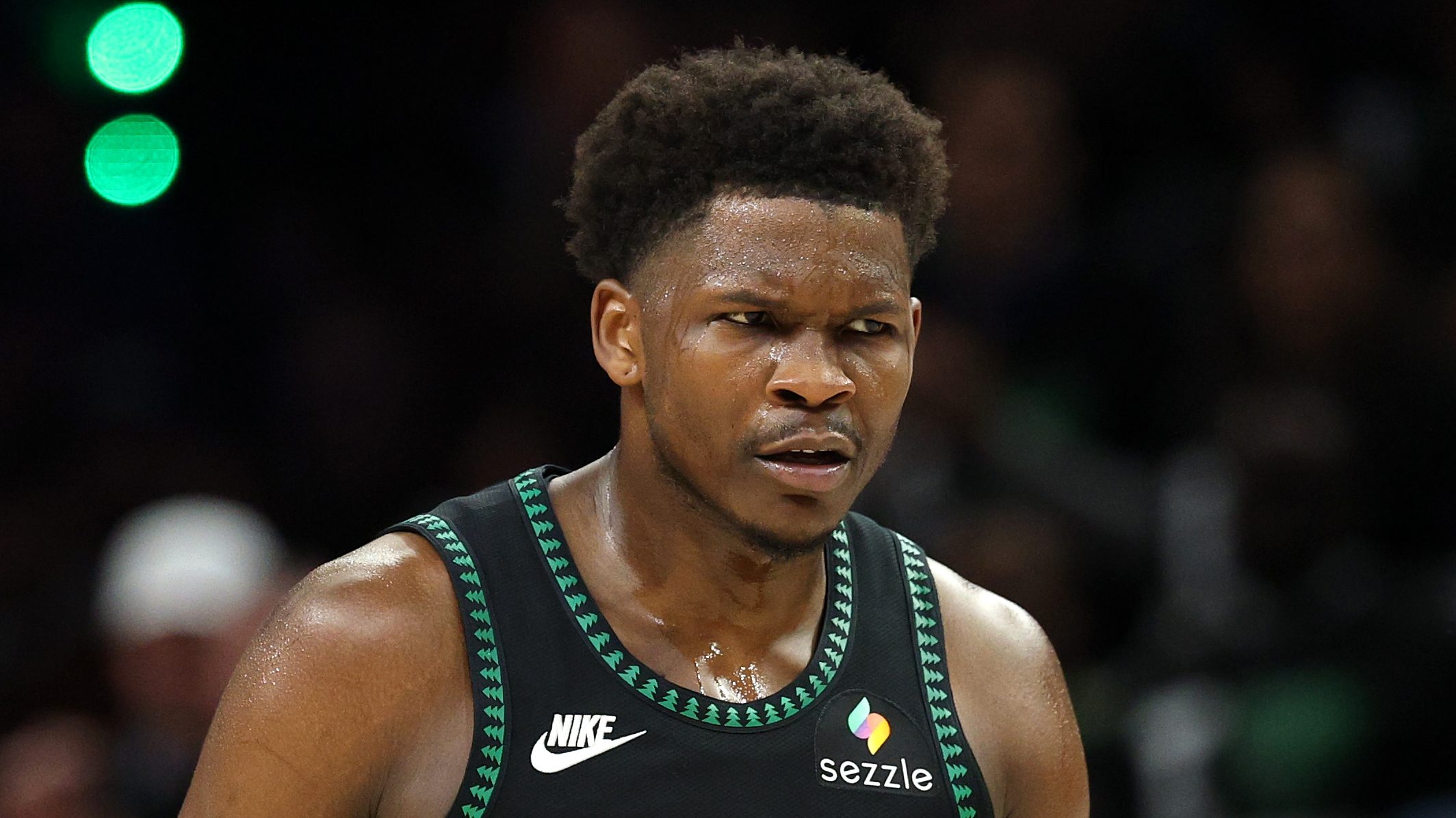
Shannon’s transition from a regular-season fringe player to a vital postseason contributor underscores the high-leverage nature of playoff basketball. His 24-point performance in the first round against Denver demonstrated the offensive versatility necessary to mitigate star-level injuries. With Anthony Edwards managing lingering knee issues, the team’s ability to maintain performance via secondary players like Shannon has become the primary determinant of series momentum against the Spurs’ defensive scheme.
Institutional Constraints and Efficiency
Competing against the Spurs’ top-three ranked defense has exposed the limitations of increased usage rates. Shannon’s 29.2% field goal percentage serves as a case study in diminishing returns; when role players are forced into expanded roles due to personnel gaps, offensive efficiency often suffers. Consequently, coaching staffs face binary decisions: prioritize long-term risk mitigation or maintain specific starting units to minimize variance in a series where the margin for error is razor-thin.
Systemic Resilience and Competitive Integrity
The Timberwolves’ ability to adapt to sudden roster changes reflects an underlying institutional resilience. While individual metrics are the most visible indicators of success, the ability to maintain tactical continuity without collapsing under injury pressure separates championship contenders from the field. As the series progresses, the reliance on high-usage minutes for secondary players—Shannon’s increase from 12.5 to 25 minutes per game—highlights a transition from planned strategy to survival-based roster management, proving that in the modern NBA, bench depth is as critical as star-player production.