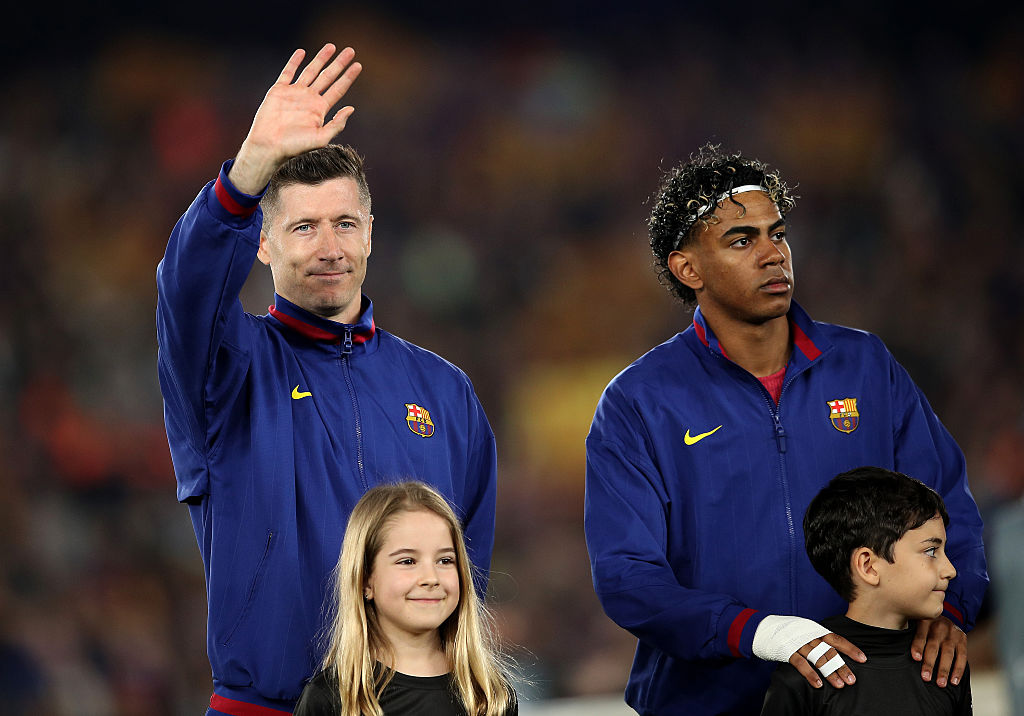
The Strategic Landscape of the Final Matchday
The fixture between FC Barcelona and Real Betis at Camp Nou serves as both a ceremonial conclusion to the domestic calendar and a critical evaluation period for institutional planning. With Barcelona securing the title and Real Betis confirming European qualification, the focus shifts toward tactical deep-dives and organizational optimization.
Roster Management and Tactical Adaptation
Hansi Flick’s squad selection highlights the necessity of tactical flexibility. Following the exclusion of players like Frenkie de Jong, Ferran Torres, and Lamine Yamal, the coaching staff utilizes a 23-man squad to assess depth within the 4-2-3-1 formation. This transitionary phase tests the team’s ability to maintain structural integrity while integrating academy prospects, a vital component of long-term fiscal and sporting sustainability.
Institutional Shifts and Commercial Leverage
The departure of high-profile assets, such as Robert Lewandowski, triggers a recalibration of the club’s offensive architecture and market positioning. This transition is managed with precision to protect commercial partnerships and ensure brand stability. Simultaneously, the club evaluates how current squad performance metrics align with future recruitment strategies and salary cap requirements.
Economic Impact of Competitive Positioning
The financial rewards associated with final standings directly influence budgetary allocations for infrastructure and scouting networks. By managing player loads in a low-stakes environment, the organization mitigates injury risk—effectively protecting its primary assets—while delivering a high-value performance for global broadcasters. This synergy between sporting decisions and financial outcomes underscores the club’s administrative maturity.
Long-term Institutional Evolution
Data gathered throughout the 37-match cycle provides the blueprint for the upcoming transfer window. The focus is now directed toward contract negotiations and infrastructure development. The discipline demonstrated in maintaining performance levels post-title confirmation acts as a catalyst for sustained market relevance, setting the stage for the subsequent competitive cycle.