
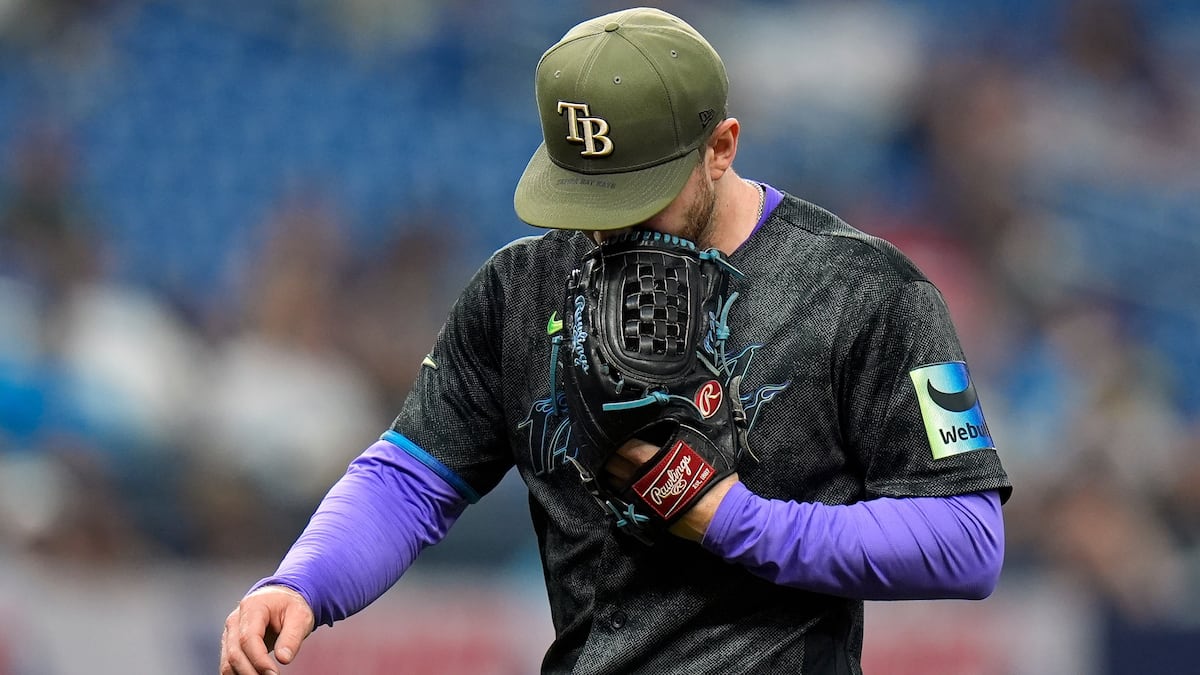
Strategic Shifts in the Florida Series
The Miami Marlins’ 10-5 victory over the Tampa Bay Rays, highlighted by an eight-run 10th inning, serves as a significant case study in mid-season momentum. By ending the Rays’ 11-game home winning streak, the Marlins demonstrated a rare capacity for high-leverage execution, forcing a re-evaluation of both clubs’ competitive trajectories as they navigate the rigorous 162-game schedule.
Operational Impact of Individual Performance
Javier Sanoja’s performance illustrates the variance inherent in professional roster management. Entering the series mired in a slump—with only three hits in 36 at-bats since April 24th—his three-run double represents a vital corrective event. For the coaching staff, such individual rebounds are essential for stabilizing lineups during periods of statistical regression, proving that depth remains a critical buffer against offensive stagnation.
Pitching Rotations and Institutional Pressure
The development of Eury Perez (2-5, 4.94 ERA) remains a primary indicator of the Marlins’ organizational health. As the team seeks to capitalize on this momentum, the pressure on Perez to secure a victory transcends mere statistics; it is a strategic imperative for long-term viability. The organization’s ability to cultivate young arms under high-pressure, must-win scenarios is a key metric for evaluating future roster ceiling.
Competitive Ecosystem and Media Strategy
The Sunday Peacock broadcast signals a shift toward diversified digital distribution, aiming to transcend traditional regional sports networks. This model is designed to capture a national audience, directly linking the value of the ‘on-field product’ to subscription-based monetization. For stakeholders, the intensity of this Florida-based series is essential for maximizing viewer engagement in an increasingly fragmented media landscape.
Institutional Culture as a Differentiator
Despite the end of their winning streak, the Rays continue to demonstrate a resilient institutional culture. By prioritizing collective performance over individual accolades, they successfully navigate capital allocation disparities. This organizational alignment remains the Rays’ primary defense against external market pressures, distinguishing them as a perennial contender regardless of payroll limitations.
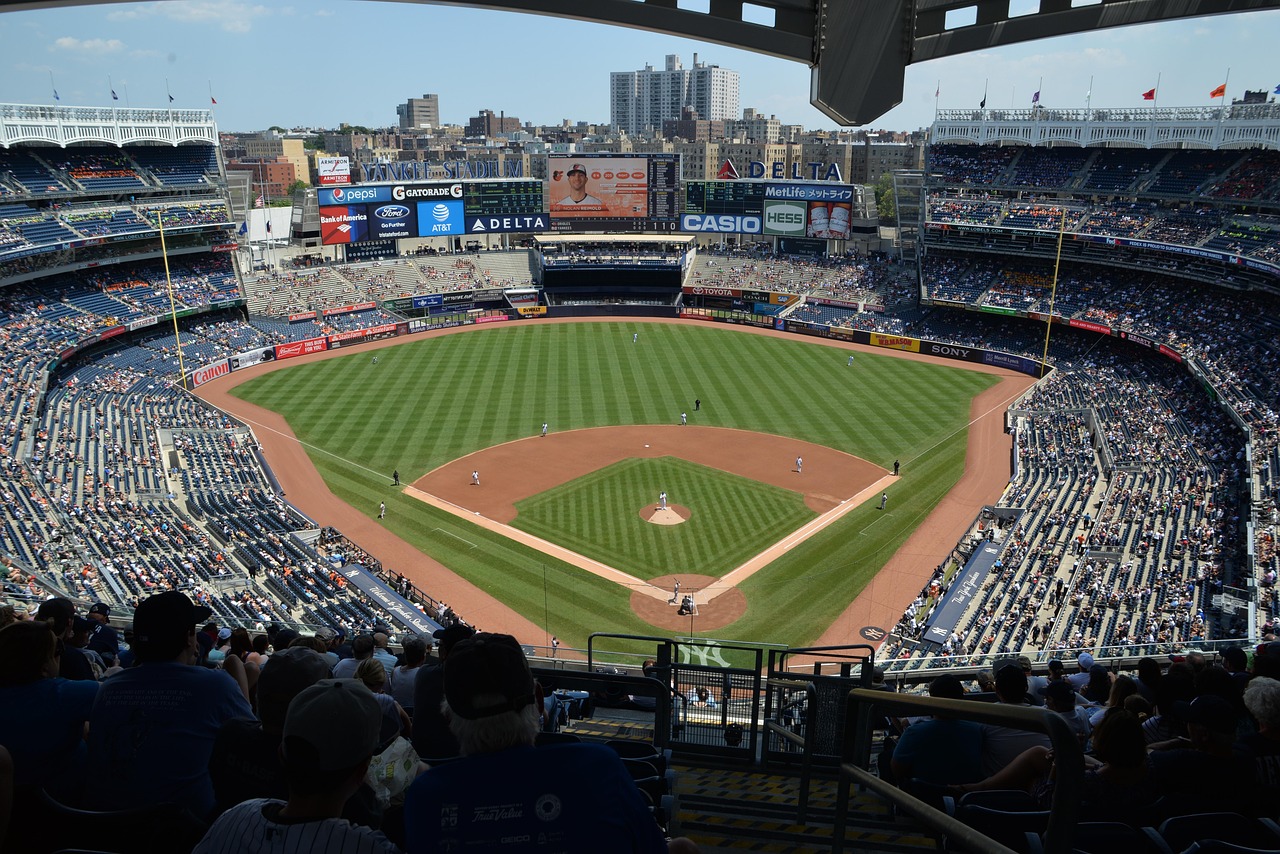
Photo by hellosoyeon on Pixabay.