
Operational Continuity and Leadership Recalibration
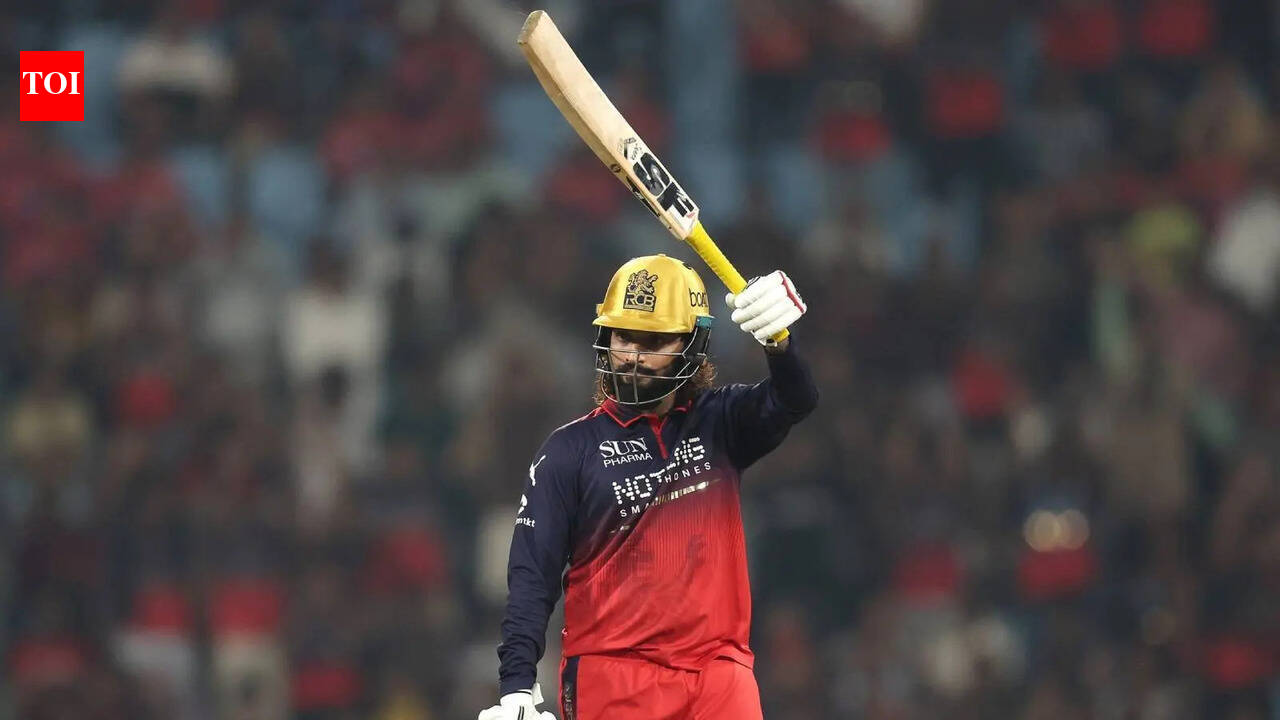
The IPL 2026 fixture between Royal Challengers Bengaluru (RCB) and Punjab Kings (PBKS) at the HPCA Stadium serves as a stress test for RCB’s institutional depth. The late-stage transition in leadership—necessitated by Rajat Patidar’s absence—sees Jitesh Sharma assuming captaincy. This shift requires immediate tactical recalibration, particularly in managing bowling rotations and defensive field sets during high-leverage powerplays. Patidar’s absence represents a dual-threat deficit: the loss of a proven tactical navigator and a high-velocity middle-order anchor who has contributed 326 runs at a 195 strike rate this season.
For the Bengaluru franchise, maintaining their 1.053 Net Run Rate (NRR) buffer is paramount for securing a top-two seed. Jitesh Sharma’s dual role as wicketkeeper-captain introduces a significant cognitive load, requiring him to balance split-second glovework with macro-level strategic oversight. The team’s ability to absorb this disruption without compromising its league-leading momentum will define its readiness for the knockout phase.
The Tactical Erosion of Punjab Kings
PBKS enters the Dharamsala clash amidst a severe performance deficit, characterized by a five-match losing streak. Despite possessing high-value assets like Marcus Stoinis and Yuzvendra Chahal, the squad has suffered from a breakdown in tactical synergy during the middle overs. Shreyas Iyer’s leadership is under intense scrutiny as the franchise attempts to convert individual statistical outliers into collective victories. To remain mathematically viable for the playoffs, PBKS must exploit the unique atmospheric variables of the HPCA Stadium.
The inclusion of pace specialists Marco Jansen and Ben Dwarshuis signals a strategic pivot toward Dharamsala’s historical bias for lateral movement. However, this adjustment depends on the top order, led by Priyansh Arya and Prabhsimran Singh, establishing a stable foundation against the defending champions. A failure here would not only end their playoff aspirations but also trigger a re-evaluation of the franchise’s long-term roster construction.
Atmospheric Variables and Institutional Stakes
The high-altitude environment of Dharamsala dictates technical adjustments; cooler evening temperatures enhance swing and seam, favoring disciplined operators like Arshdeep Singh and Vijaykumar Vyshak. For RCB, the match is a calculated risk—sidelining Patidar until the Hyderabad fixture prioritizes long-term physical sustainability over immediate convenience. This rematch of the 2025 final carries significant narrative weight, as PBKS seeks redemption while RCB aims to consolidate its status as the league’s premier organization. With a 16-point tally and superior NRR, RCB remains the statistical favorite, yet the high-variance nature of this fixture offers PBKS a final, desperate path to relevance.

Photo by muralinath on Pixabay.