Leaderboard Volatility and Professional Parity
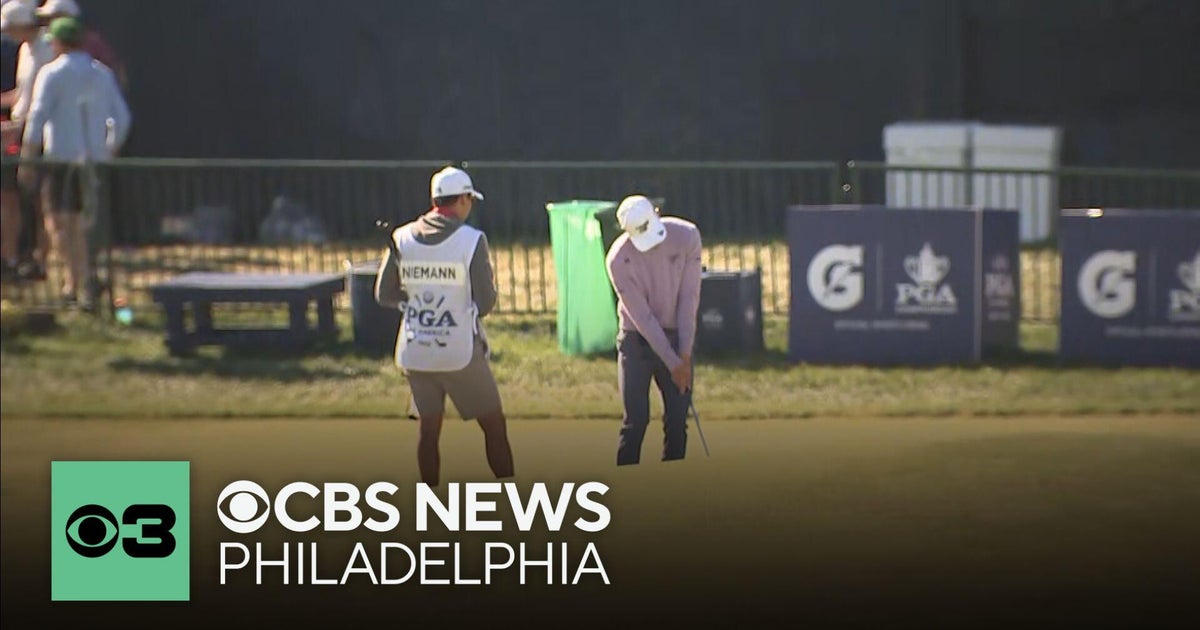
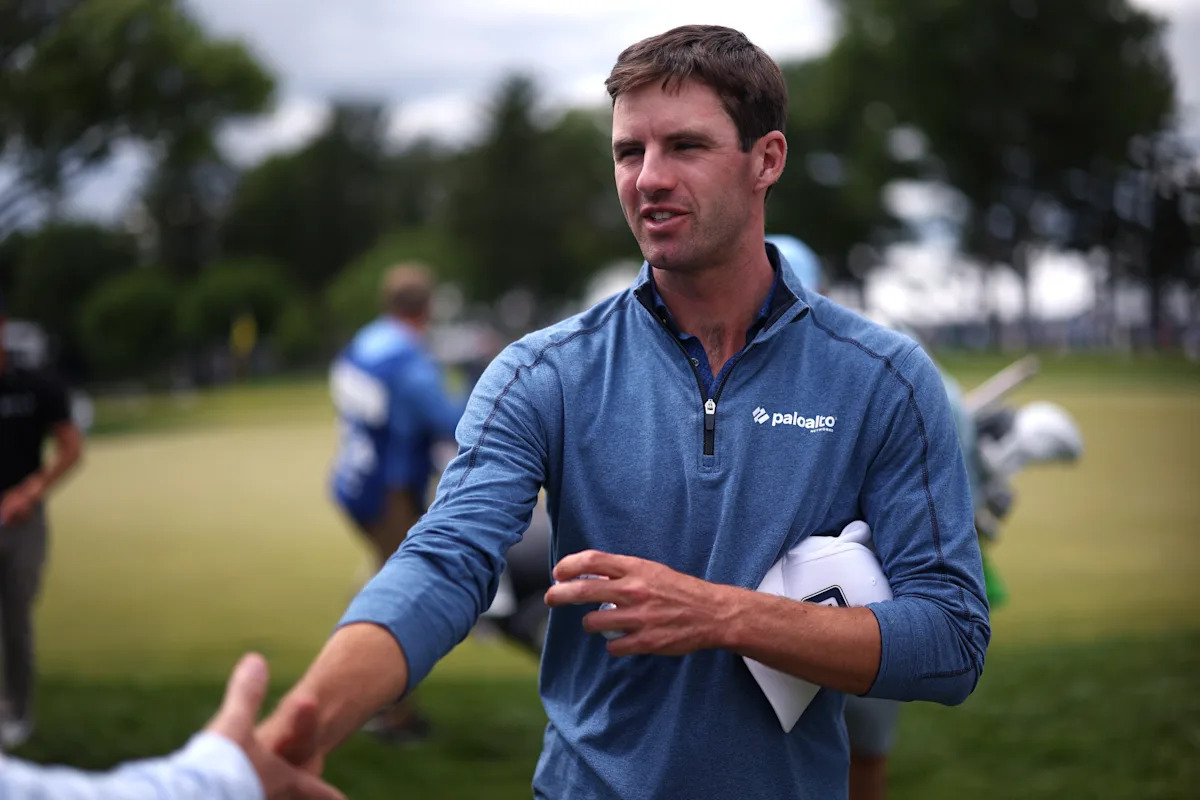
The 2026 PGA Championship at Aronimink Golf Club has reached a critical juncture characterized by high competitive parity and a disruption of the traditional hierarchy. At the midpoint, Alex Smalley and Maverick McNealy maintain a tenuous advantage at 4-under par. This narrow margin underscores a dense field where a single-stroke differential separates the leaders from six pursuers at 3-under, signaling an environment where technical execution must coexist with extreme psychological resilience.
The Scheffler Benchmark: Operational Recovery and Risk Management
Scottie Scheffler’s second-round performance serves as a primary case study in operational recovery. After a volatile opening—highlighting the course’s punitive early layout—Scheffler stabilized to finish at 2-under par. His ability to maintain a statistical floor despite early bogeys preserves his status as the tournament’s gravimetric center. For stakeholders and broadcasters, Scheffler’s proximity to the lead provides the commercial insurance necessary to sustain weekend viewership engagement despite the departure of other marquee assets.
Commercial Attrition: Impact of High-Profile Missed Cuts
The tournament’s narrative landscape shifted significantly with the exit of Bryson DeChambeau, alongside established winners Billy Horschel and Tyrrell Hatton. This attrition removes specific layers of social media discourse and fan engagement, forcing the PGA of America to pivot its marketing strategy toward the technical prowess of the current leaders and the lurking presence of Rory McIlroy and Jon Rahm. The conclusion of Michael Block’s participation further narrows the focus from human-interest storylines to pure professional elite competition.
Aronimink as a Strategic Defensive Venue
Aronimink has asserted itself as a formidable defensive venue, prioritizing precision over raw yardage. The 4-under par lead after 36 holes reflects a course setup that effectively neutralizes aggressive power-hitters. The strategic difficulty of the opening four-hole stretch has become the primary site of leaderboard volatility. Moving Day will reward players who adopt a conservative risk-management profile, focusing on fairway hit percentages and disciplined approach shots into Aronimink’s complex green structures.
Global Media Dynamics and Moving Day Projections
As the broadcast cycle shifts to the third round, starting at 7:45 a.m. ET, the logistical focus remains on managing global media interest. The international presence of Nicolai Højgaard, Rahm, and McIlroy ensures that the championship retains its global commercial reach. Moving Day traditionally serves as the tournament’s pivot point; here, the challenge for Smalley and McNealy lies in managing the psychological load of maintaining a lead against a field of major champions. The resulting leaderboard remains mathematically fluid, promising high-leverage outcomes for the final 36 holes.