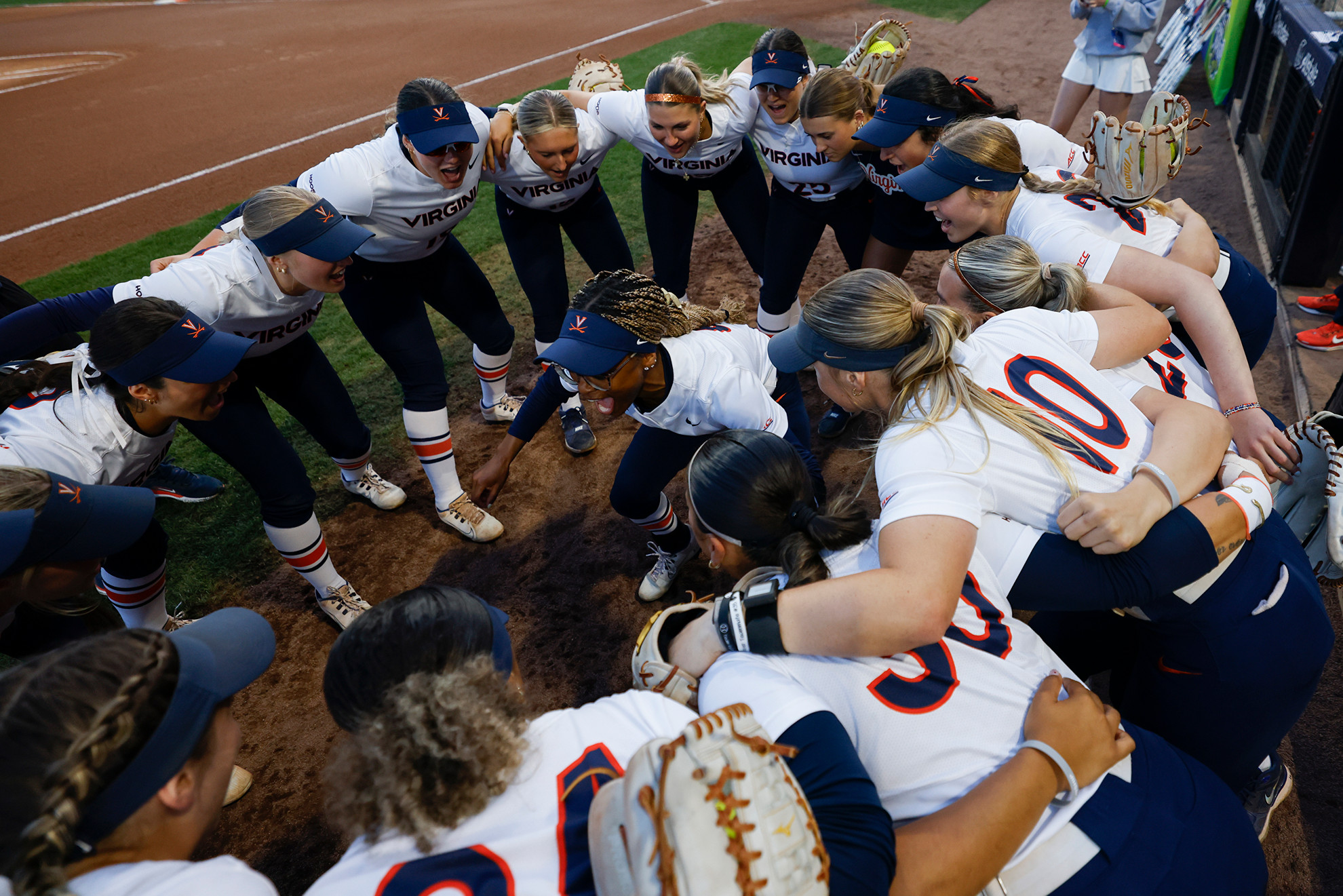
The opening phases of the 2026 NCAA Softball Regionals have demonstrated a significant compression in competitive parity, characterized by high-leverage volatility and the diminishing protection of traditional seeding. In Knoxville, the confrontation between No. 24 Virginia and Indiana served as a primary case study in game-state management and operational resilience. Virginia’s 8-7 victory in eight innings was less a statistical outlier and more a reflection of the ACC’s expanding depth against Big Ten stalwarts.
Knoxville Regional: Defensive Fragility vs. Offensive Leverage
The matchup at Sherri Parker Lee Stadium was defined by frequent lead changes, with Indiana failing to consolidate three separate advantages (3-0, 5-3, and 7-5). This failure highlights a systemic challenge in closing high-leverage innings, a vulnerability that Virginia exploited through concentrated offensive efficiency. Jade Hylton emerged as the focal point of this offensive surge, recording two home runs and five RBIs, ultimately scoring the game-winning run. Hylton’s performance provides a benchmark for individual impact within a collective tactical framework.
Conversely, Indiana’s inability to maintain defensive stability despite elite individual efforts—most notably Ellie Goins’ two home runs and a critical seventh-inning defensive putout at the plate—indicates a breakdown in pitching rotation sustainability. The walk-off RBI single by Raegan Hickey in the eighth inning was the logical conclusion of Virginia’s superior situational hitting. As Virginia advances to challenge No. 2 Tennessee, the management of their bullpen fatigue will be the primary variable in their ability to sustain this momentum.
Institutional Trajectories and Programmatic Maturation
The 2026 season marks Virginia’s third consecutive NCAA appearance, signaling a stabilization of the program’s competitive foundation. Moving from sporadic qualifications to a consistent postseason presence (38-13 record) suggests successful long-term resource allocation and recruitment strategies. Indiana (42-15) mirrors this consistency with four consecutive regional berths; however, the transition from regular-season dominance to postseason execution remains their primary hurdle. The loss forces a tactical pivot as they enter an elimination game against Northern Kentucky, testing the psychological recovery of the roster.
The Fayetteville Disruption: Small-Ball as a Force Multiplier
The Fayetteville Regional provided the tournament’s most significant structural shock: South Florida’s 3-1 upset of No. 7 Washington. This outcome was not the result of power-hitting dominance but of disciplined contact hitting. USF’s four-single rally in the seventh inning dismantled Washington’s defensive structure, proving that high-seeded programs remain vulnerable to high-contact, situational offensive strategies. This result effectively resets the Fayetteville bracket, complicating Washington’s path and providing a blueprint for lower-seeded underdogs nationally.
Conclusion: Pitching Depth and Media Valuation
The double-elimination format of the regionals places an unprecedented premium on pitching depth. Virginia’s extra-inning victory, while a morale catalyst, creates immediate constraints on their rotation for upcoming matchups. Simultaneously, the national broadcast of these events across ESPN platforms increases the recruitment and donor leverage for these programs. As the 2026 tournament progresses, the ability to maintain defensive fundamentals under the scrutiny of national media will separate rising programs from established elites facing stagnation.