Philippine Peso Sinks to Record Low, Undermining Monetary Policy Efficacy
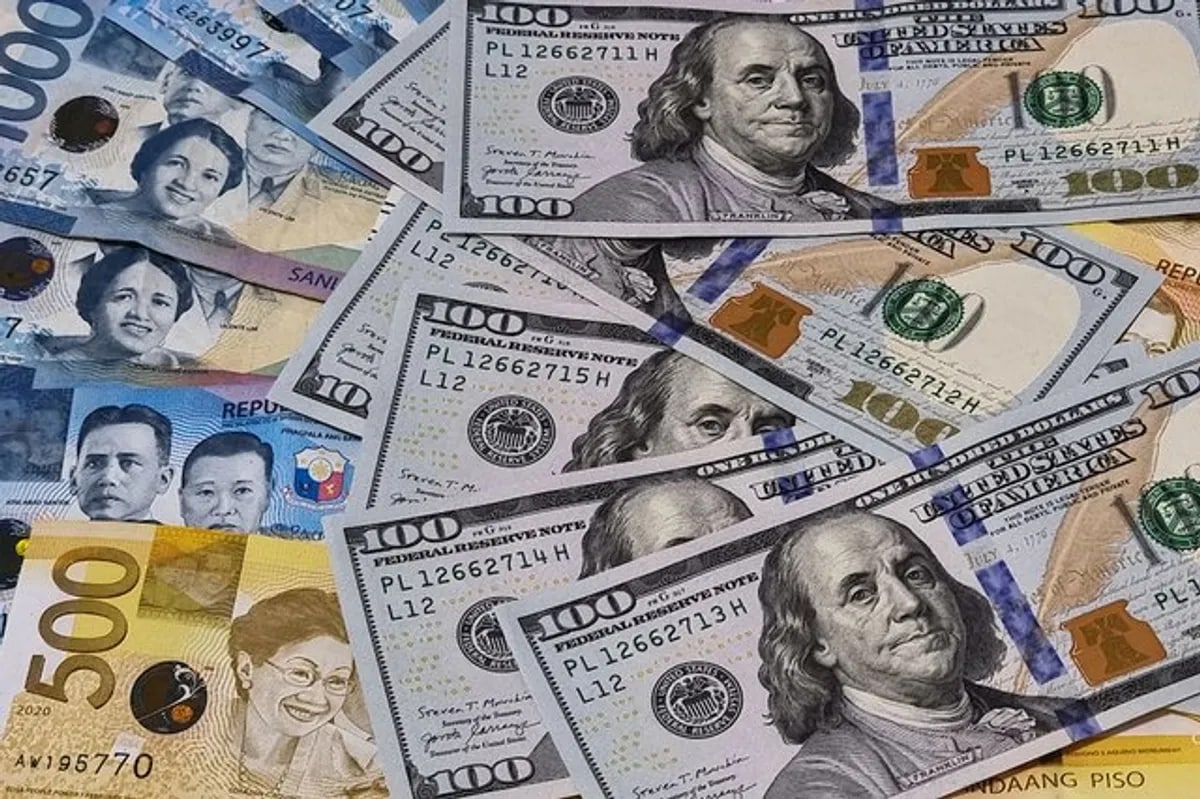
The Philippine Peso has depreciated to a new record low of $1:P61.59, marking a sustained decline that signals increasing market bearishness and potential for further weakness.
This trajectory directly challenges the intended impact of the Bangko Sentral ng Pilipinas’ (BSP) recent monetary policy actions. The BSP reversed its dovish stance with a 25 basis point rate hike last month, anticipating further tightening, potentially up to 50 basis points, to curb inflation and stabilize the currency.
Economic Growth Under Pressure, Stagnation Risk Looms
The Peso’s decline coincides with a significant deceleration in economic growth. First-quarter GDP growth registered at 2.8 percent, falling substantially short of the official five to six percent annual projection. This underperformance suggests a potential slowdown persisting throughout the year, raising concerns of GDP growth converging with the population growth rate of 1.9 percent, a scenario indicative of economic stagnation and its associated social costs, including stalled poverty reduction efforts.
Market Skepticism and Policy Dilemmas
Market sentiment indicates that the current depreciation may not have reached its nadir, a stark contrast to earlier forecasts. The BSP’s rate hikes aim to make peso-denominated assets more attractive, but the Peso’s continued weakening suggests these measures are insufficient to counter prevailing market pressures, which could stem from external factors or deeper domestic economic concerns.
This situation presents a significant policy dilemma: balancing the imperative to control inflation and stabilize the currency against the need to support economic growth, a task complicated by the Peso’s persistent downward trend.
Capital Flows, Investment, and Trade Dynamics
A persistently weakening currency can deter foreign investment due to eroded returns upon repatriation and increases the cost of imports for domestic businesses. This dynamic can impact capital flows and the broader investment climate.
Industries reliant on imports face higher operational costs, while exporters may see a short-term advantage, potentially widening the trade deficit if export growth falters. The overall trade balance could be negatively affected, further pressuring the Peso.
Inflationary Headwinds and Consumer Purchasing Power
The weaker Peso exacerbates inflationary pressures by increasing the cost of imported goods, a significant component of the Philippine consumption basket. This directly erodes consumer purchasing power and can lead to a decline in real wages, posing a direct threat to the BSP’s price stability mandate.
Domestic Demand, Confidence, and Fiscal Constraints
Reduced purchasing power and potential inflation can dampen domestic demand and consumer confidence, leading to decreased spending on non-essential goods and services, further slowing economic growth. This creates a feedback loop of currency weakness, inflation, and reduced consumption.
From a fiscal perspective, the government faces increased debt servicing costs for foreign-denominated debt. Any stimulus measures must be carefully calibrated to avoid exacerbating inflation or further weakening the currency.
Global Economic Influences and Strategic Business Adjustments
The Peso’s performance is influenced by global economic conditions, commodity prices, and major economies’ monetary policies. The current weakening may reflect broader emerging market trends or specific Philippine economic concerns.
Businesses must reassess hedging strategies and supply chain resilience to manage currency risk. Strategic decisions on pricing, sourcing, and international engagement need to account for the altered currency landscape.
Long-Term Growth and Central Bank Credibility
The sustained depreciation and economic slowdown raise questions about long-term growth prospects. If structural issues are at play, short-term monetary interventions may prove insufficient. Enhancing productivity, improving the business environment, and fostering sustained investment are crucial.
The BSP’s ability to manage market expectations and maintain credibility is vital. Market skepticism regarding rate hike efficacy puts the central bank’s forward guidance under scrutiny, necessitating clear communication and adaptive policy responses.
Social Impact and Investor Sentiment
Economic stagnation risks reversing progress in poverty alleviation and limiting job creation, disproportionately affecting vulnerable populations. Policymakers must balance macroeconomic stabilization with ensuring tangible improvements in living standards.
Prolonged currency weakness can erode investor confidence, potentially leading to capital flight, further exacerbating depreciation and hindering investment attraction. Monitoring investor sentiment and fostering a stable economic environment are critical to prevent negative spirals.
Monetary Policy Limitations and Integrated Reforms
The current situation highlights the limitations of monetary policy amidst external shocks, structural issues, and potential confidence deficits. The BSP’s actions, while necessary, may not be sufficient alone. A coordinated approach involving fiscal and structural reforms is essential to address root causes of economic vulnerability.
The P62 to $1 threshold, once considered alarmist, now appears within reach, reflecting a significant shift in market psychology. Managing this psychological dimension through clear communication and decisive action is paramount.
Outlook and Critical Juncture
The trajectory of the Philippine Peso and the economy hinges on the BSP’s continued policy response, the government’s fiscal management, and evolving global conditions. The coming months are critical in determining the Philippines’ ability to navigate these challenges and steer towards sustainable growth and stability.