Capital Accumulation and Structural Liquidity in the MUSL Framework
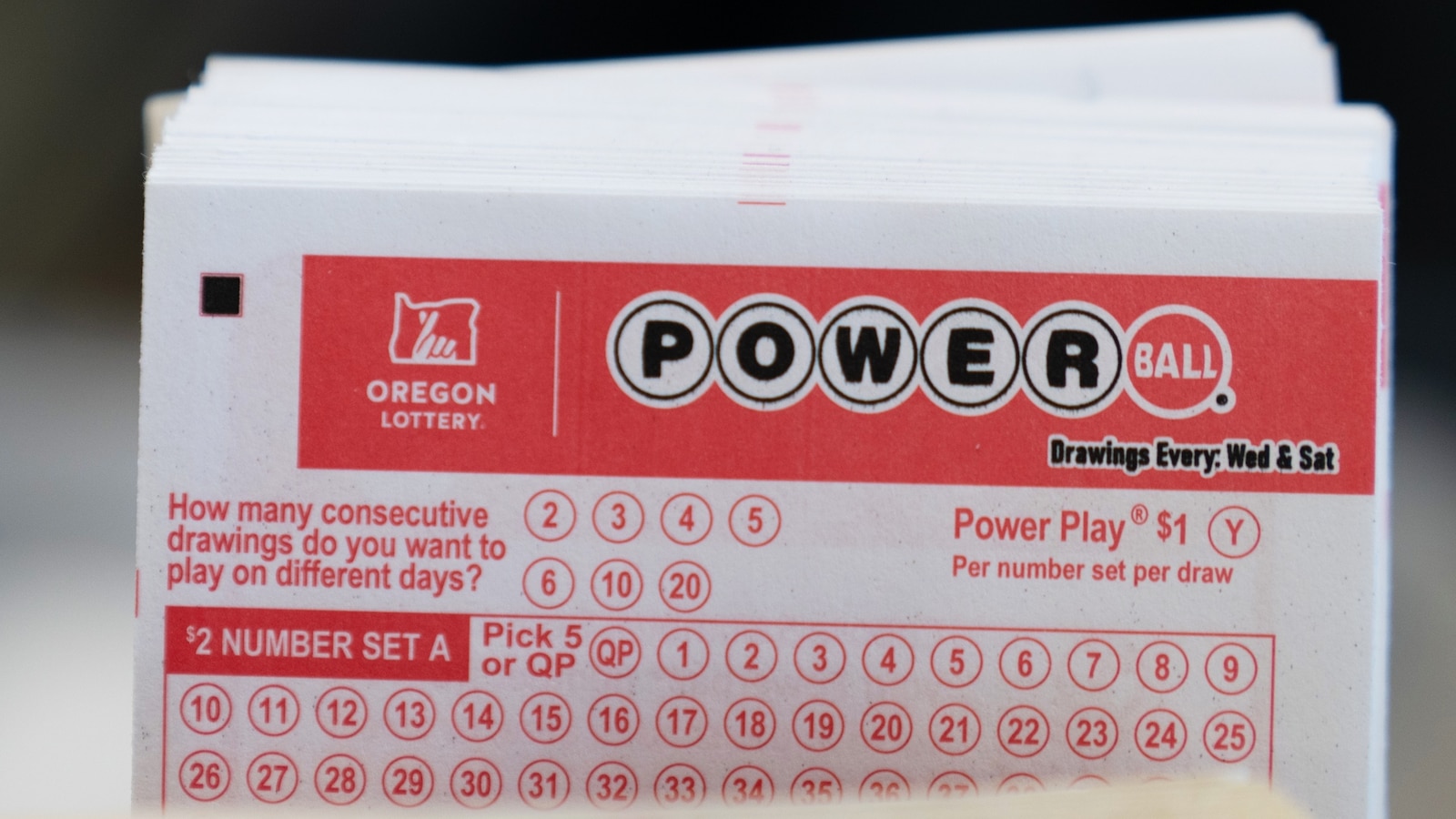
The Powerball jackpot has ascended to a projected $856 million, solidifying its position as the eighth-largest prize in the history of the Multi-State Lottery Association (MUSL). This valuation is the product of sustained capital aggregation, resulting from 40 consecutive drawings without a jackpot winner since the cycle began following the May 2, 2026, payout. This rollover streak underscores the structural efficiency of the Powerball model in concentrating liquidity across diverse jurisdictions.
Transatlantic Expansion and Market Penetration
A significant catalyst for this prize velocity is the strategic inclusion of the United Kingdom into the participant base. By integrating international players while maintaining the standard 1 in 292.2 million odds, lottery officials have successfully expanded the revenue pool. This move toward globalized gaming mitigates the risk of prize stagnation and ensures that psychologically significant thresholds—such as the $800 million mark—are reached with greater frequency to stimulate high-volume ticket sales.
Evaluating the $372 Million Cash Value Disparity
While the $856 million annuity figure serves as the primary marketing headline, the $372 million cash value remains the critical metric for financial exposure. This disparity is a direct reflection of current interest rate environments and the projected yield of government securities required to fund the 30-installment annuity. For institutional stakeholders, the cash option represents the immediate liquid impact on the winner’s economy and the subsequent tax revenue windfall for state and federal treasuries.
Historical Context and the Arkansas Performance Benchmark
The current surge is the most significant since the $1.817 billion record set in Arkansas on Christmas Eve 2025. While the current jackpot operates within the shadow of that historic event, it demonstrates the game’s ability to recover and scale rapidly. The 2025 precedent remains a benchmark for the operational logistics required to manage billion-dollar prize distributions, including heightened security protocols and financial advisory requirements.
Secondary Tier Distribution and Consumer Retention
Despite the jackpot drought, the lottery remains a potent engine for capital redistribution. Recent drawings confirmed a $2 million winner in Wisconsin and a $1 million winner in Ohio. These secondary tier payouts are vital for market retention, reinforcing the perception of value even when the grand prize remains elusive. The latest drawing (14-20-59-60-61, Powerball 25) also saw 20 participants secure $50,000, with Power Play subscribers doubling their leverage to $100,000.
Future Outlook for the August 8 Drawing
As the sequence approaches the August 8 drawing—the 41st in this series—the jackpot is expected to trend toward the $900 million threshold. The tri-weekly drawing schedule (Monday, Wednesday, Saturday) maintains narrative momentum, ensuring the Powerball remains a dominant force in the global gaming sector. The logistical coordination required to synchronize data across 45 states and international territories highlights the sophisticated backend infrastructure supporting this massive transfer of wealth.