Strategic Aggregation: The Triple-Album Saturation Model
The simultaneous deployment of ICEMAN, Habibti, and Maid of Honour marks a sophisticated shift toward total market dominance. By releasing a triple-project suite, Drake employs a high-volume saturation strategy that captures maximum digital real estate and manipulates streaming algorithms to favor OVO Sound assets. This maneuver functions as a competitive barrier to entry, effectively crowding out concurrent releases and monopolizing the cultural conversation through sheer output density.
The Future Reunion: De-Risking the Collaborative Brand
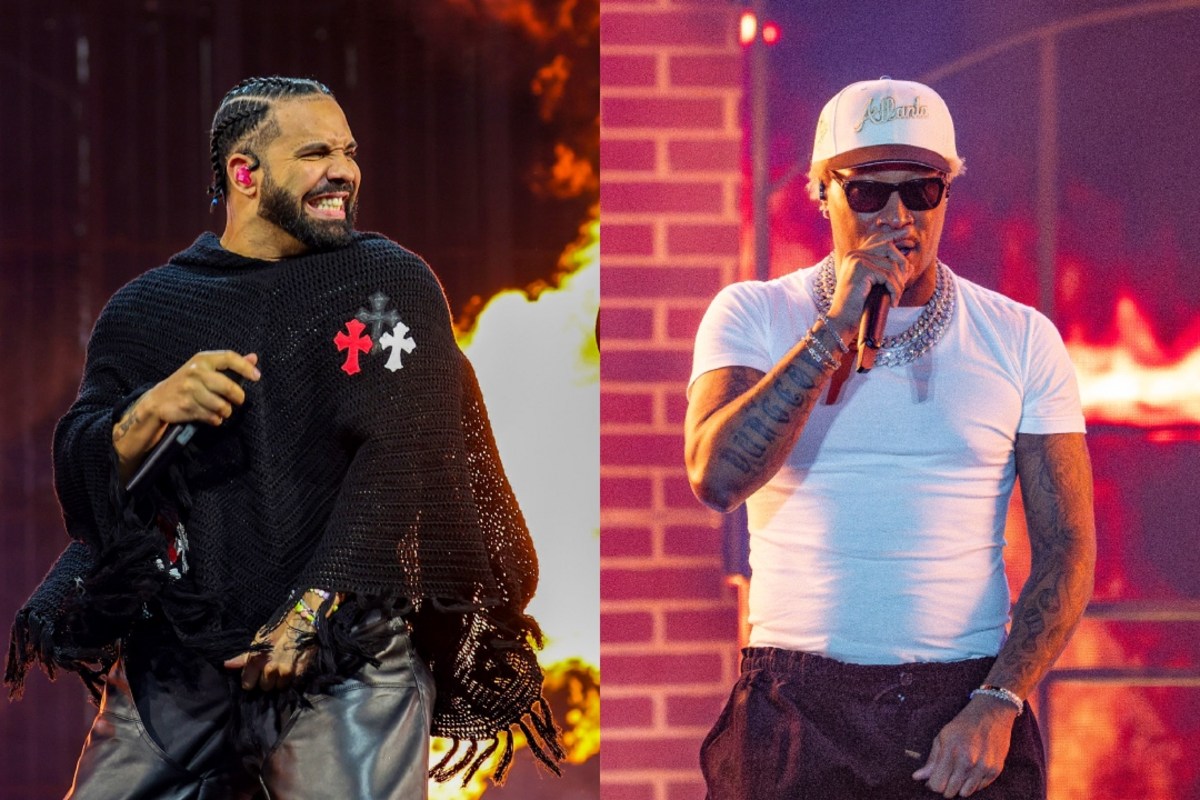
The centerpiece of the ICEMAN rollout is “Ran to Atlanta,” featuring Future and Molly Santana. This collaboration signifies the resolution of the public friction that followed the We Don’t Trust You cycle. From an institutional perspective, this reconciliation is a calculated effort to stabilize the most lucrative partnership in hip-hop. By ending their two-year hiatus, the duo reinstates a revenue-generating engine that has historically dominated the Billboard charts and global tour circuits, transforming interpersonal volatility into predictable commercial growth.
Institutional Equilibrium and the UMG Variable
The reconciliation must be analyzed within the context of recent litigation involving Universal Music Group (UMG). The fallout from the Kendrick Lamar-Drake conflict created significant turbulence for the label’s top-tier assets. The subsequent pivot toward stability suggests that corporate interests—specifically the protection of high-value intellectual property—have mandated a cessation of hostilities. Reintegrating Future into the Drake ecosystem serves as a structural hedge against the unpredictability of the 2024 rap landscape, signaling to stakeholders that the label’s primary profit centers are once again aligned.
Shadow Diplomacy: The Atlanta Power Brokerage
The role of influential intermediaries in Atlanta, as highlighted by industry figures like Tony Yayo, underscores the importance of regional power centers in global music governance. This peace-brokering process reveals a complex layer of informal diplomacy where local stakeholders protect the ‘Atlanta-to-Toronto’ economic corridor. By resolving disputes through these private channels, the artists maintain their market value without the brand dilution associated with prolonged litigation or public dissent.
Personnel Integration: Bridging Demographics via Molly Santana
The inclusion of Molly Santana alongside veterans like Future and 21 Savage represents a tactical demographic expansion. While 21 Savage provides continuity for the core audience, Santana serves as a bridge to younger listeners and emerging sub-genres. This intentional layering of talent ensures that ICEMAN maintains multi-generational relevance, allowing Drake to extract value from new talent while providing them with the institutional backing necessary for mainstream penetration.
Visual Signaling and Luxury Branding
The pre-release marketing, characterized by Future’s display of diamond-encrusted Audemars Piguet watches, functioned as a non-verbal market primer. This visual language aligns with the ‘ice’ aesthetic of the album, creating a cohesive brand narrative that transcends the music. Such coordinated signaling serves to build anticipation within high-net-worth circles and among luxury consumers, reinforcing the status of both artists as symbols of global exclusivity and commercial power.