
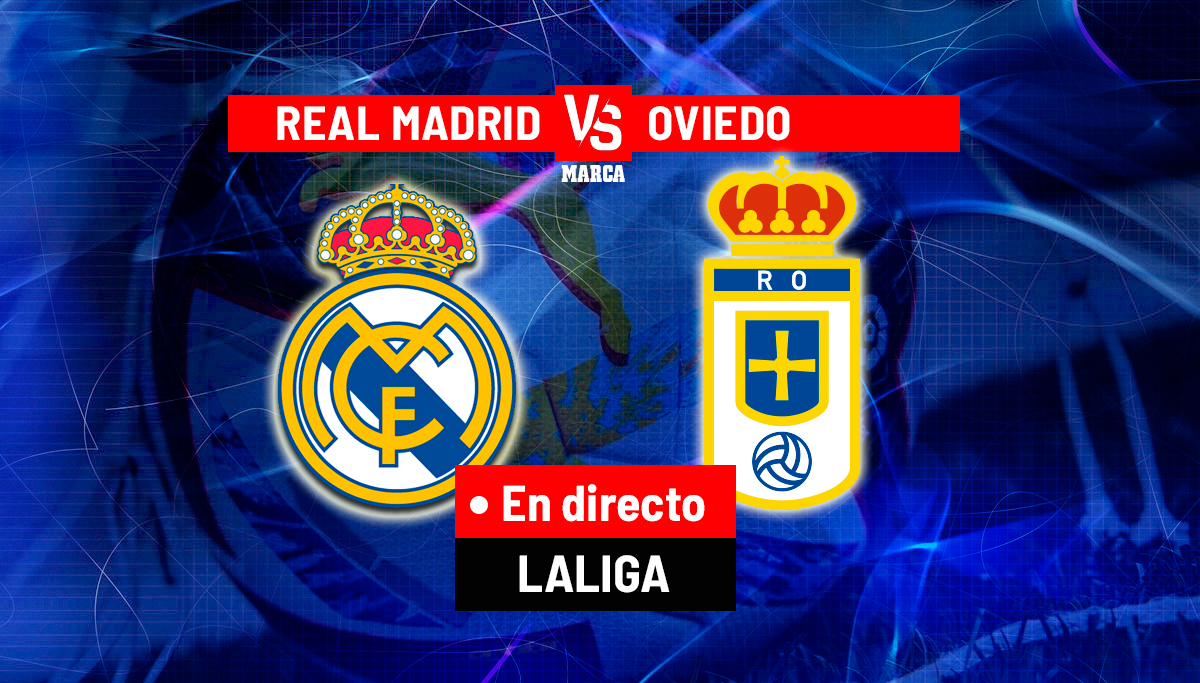
Real Madrid’s Season Culmination Plagued by Squad Depletion and Internal Strife
The penultimate LaLiga fixture sees Real Madrid host Real Oviedo at the Santiago Bernabéu. While mathematically inconsequential for Real Madrid’s league standing, the match highlights a season devoid of major silverware and marred by significant internal discord and managerial unmet expectations.
For Real Oviedo, the fixture carries the critical weight of their battle against relegation. This stark contrast in immediate stakes amplifies the pressure on Real Madrid to uphold professional standards despite the absence of season-defining objectives, underscoring a disconnect between club status and current operational realities.
Critical Squad Availability Issues Emerge from Injuries and Interpersonal Conflicts
Real Madrid’s squad depth is severely tested for the Real Oviedo match, with a substantial number of first-team players unavailable due to a confluence of injuries. Medical reports indicate a lack of imminent returns, significantly limiting selection options.
Reported conflicts between Aurélien Tchouaméni and Federico Valverde have demonstrably impacted team cohesion and player availability. Valverde’s hospitalization following a head trauma has sidelined him until late May, while Tchouaméni’s involvement in the fallout, despite a recent starting role, further strains squad dynamics.
Compounding these availability issues, Kylian Mbappé is reportedly not expected to feature. His ongoing recovery from a muscular discomfort in his tendon adds another layer of complexity to team planning for the remaining fixtures, raising questions about player management and readiness.
Strategic Ramifications of Unprecedented Squad Instability
The convergence of widespread injuries and reported internal disputes presents a multifaceted strategic challenge for Real Madrid’s coaching staff. The inability to field a competitive XI, coupled with potential morale issues stemming from player altercations, necessitates a significant recalibration of tactical approaches and player utilization in these final matches.
This situation exposes the vulnerability of even elite clubs to unforeseen personnel crises and interpersonal dynamics. The club’s performance leverage is demonstrably diminished, forcing reliance on academy prospects or returning injured players, which carries inherent risks to on-field execution and results.
The indirect financial implications are notable, potentially impacting matchday revenue and sponsorship visibility tied to player participation. Early observations suggesting a sparsely attended Bernabéu highlight a critical disconnect between the club’s on-field product and fan engagement, a key metric for commercial sustainability.
Impact on Player Development and Future Recruitment Strategy
The current squad crisis may inadvertently accelerate the development of emerging talent from Real Madrid’s academy or fringe players by providing crucial senior team exposure. This necessity-driven opportunity could prove instrumental in their long-term growth and future contributions.
However, it also starkly highlights potential deficiencies in squad depth and proactive player succession planning. The current over-reliance on key individuals and the cascading effects of their absence underscore the urgent need for robust recruitment strategies focused on immediate impact and long-term squad resilience.
Furthermore, unresolved internal conflicts could significantly influence future recruitment decisions. Prospective transfer targets and their representatives may evaluate the club’s internal environment, potentially impacting Real Madrid’s ability to attract top-tier talent in upcoming transfer windows.
Competitive Standing and Market Positioning under Scrutiny
While Real Madrid’s immediate competitive objectives for the current season are largely concluded, the ongoing squad issues have broader implications for their market positioning. A perceived lack of internal control or ineffective player relationship management can erode brand equity.
Rival clubs, observing these challenges, may exploit them in future transfer negotiations or their broader strategic planning. The narrative surrounding Real Madrid’s season finale could shape perceptions of their current strength and future trajectory within the intensely competitive European football landscape.
The performance and availability of key players like Mbappé, even in the context of national team duties, remain a critical focal point. His reported pride in representing France, juxtaposed with potential absence from club commitments, underscores the complex interplay between individual aspirations and club obligations.
Institutional Response and Future Strategic Adjustments Required
The club’s institutional response to these multifaceted challenges will be pivotal in shaping its future trajectory. Effectively addressing reported internal conflicts and cultivating a stable, supportive environment for players and staff are paramount for rebuilding trust and confidence.
Strategic adjustments in player management protocols, enhanced sports psychology support, and a critical evaluation of coaching staff effectiveness will be necessary to mitigate the recurrence of similar situations. The club’s capacity to navigate this period of adversity will be a key determinant of its long-term success and institutional stability.
The substantial financial capital invested in player contracts and club infrastructure necessitates a stable operational framework to ensure optimal returns. Any disruption to this environment, whether internal strife or on-field performance issues, demands a swift, decisive, and effective institutional response to prevent long-term reputational and financial damage.
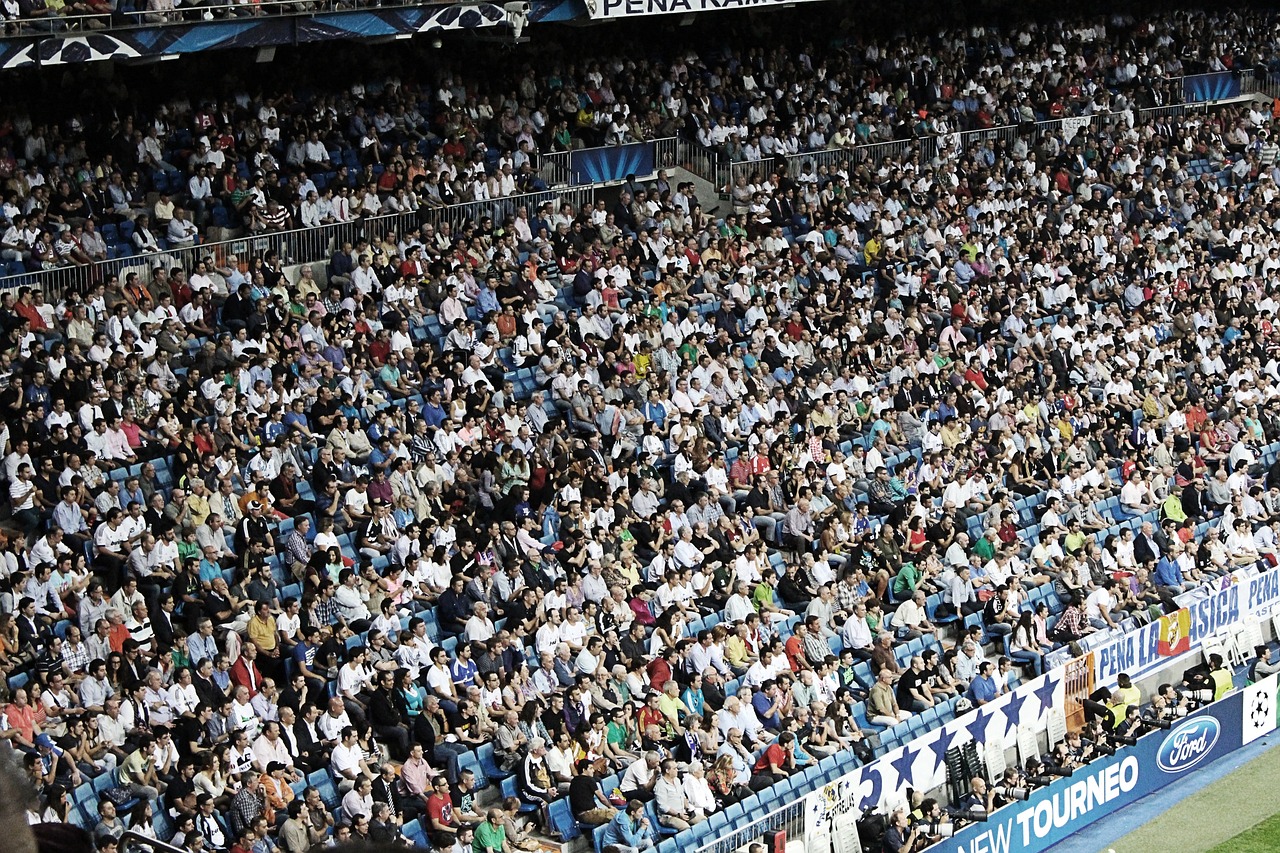
Photo by rubns28 on Pixabay.