Institutional Decay and the Erosion of Asset Valuation
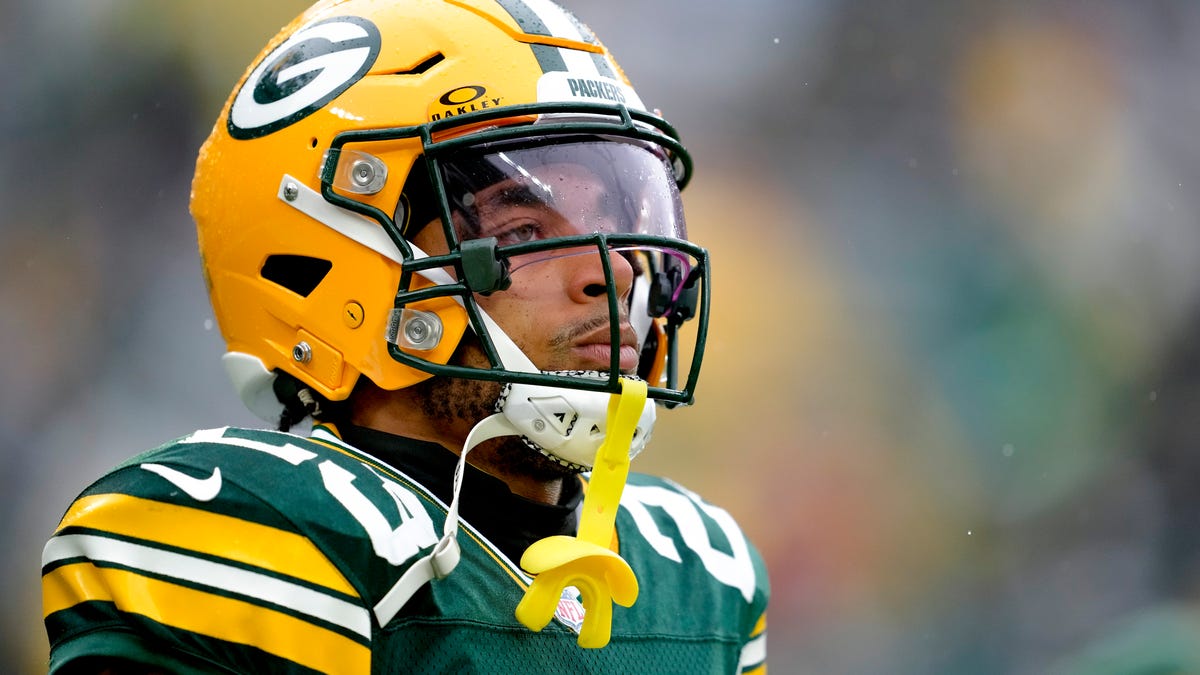
The departure of Jaire Alexander from the Green Bay Packers serves as a primary case study in the collapse of institutional support for elite talent. The organization’s failure to provide foundational preparation tools, such as film-study hardware, suggests a strategic pivot toward asset depreciation. In professional football, operational friction—such as administrative delays in resource allocation—often signals a breakdown in alignment between front-office objectives and player performance requirements.
The Packers’ decision to release a Pro Bowl-caliber cornerback without securing a compensatory trade reflects a significant loss of institutional capital. This move indicates a total severance where immediate roster flexibility was prioritized over market value optimization. When a franchise fails to facilitate the basic tenets of elite performance, the resulting vacuum often leads to a terminal breakdown in the professional relationship.
Biological Constraints vs. The Commercial Calendar
Alexander’s pursuit of accelerated recovery from a PCL injury through stem-cell interventions in Atlanta highlights the conflict between human physiology and the NFL’s rigid schedule. The post-procedure immobility required by such treatments contrasts sharply with the immediate physical output demanded by high-visibility matchups like Sunday Night Football. This tension forces athletes to manage extreme biological trade-offs, often prioritizing short-term availability at the expense of long-term health.
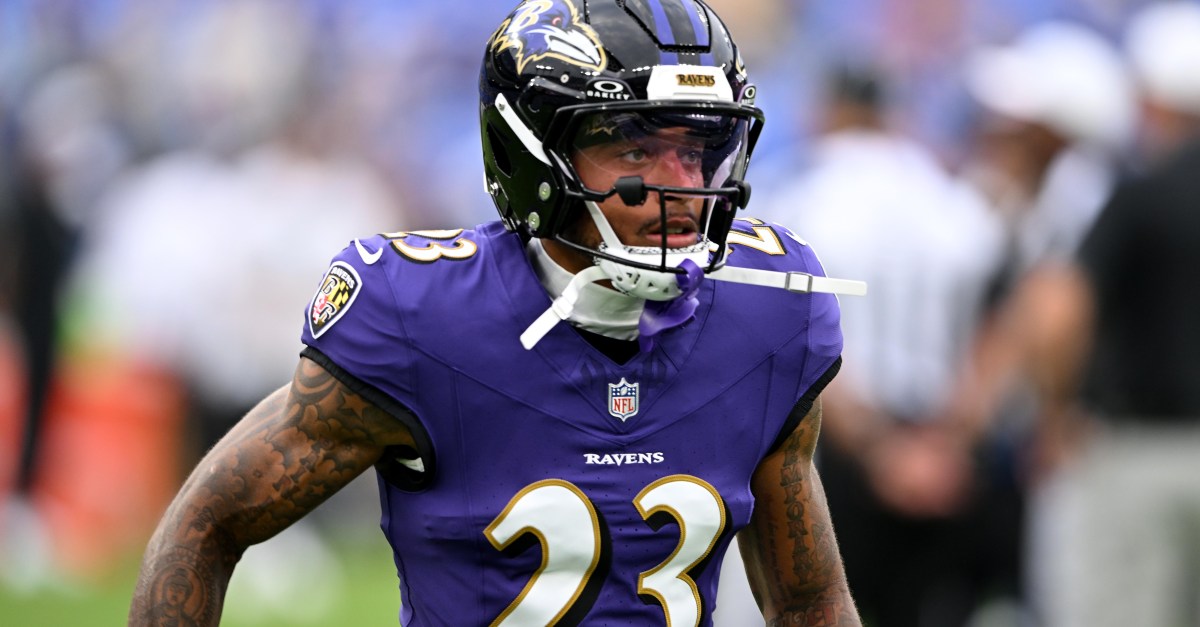
Despite advanced medical protocols, persistent physiological trauma frequently overrides the psychological drive for competition. Alexander’s inability to sustain elite levels during Baltimore’s practice sessions proved that medical interventions cannot always bypass the biological reality of recovery. This mismatch creates a risk-management crisis for teams banking on a player’s physical resurgence amidst a high-pressure season.
The Philadelphia Trade: Sunk Costs and Strategic Volatility
The Philadelphia Eagles’ acquisition of Alexander represents a high-leverage gamble on a distressed asset. By trading for a player with limited recent participation, the Eagles prioritized potential defensive upside over the documented physical and mental instability of the asset. This move reveals a gap in the due diligence process, specifically regarding the player’s readiness to reintegrate into a championship-contending environment under duress.
The investment became a sunk cost when Alexander exited the sport in November. This outcome underscores the volatility inherent in veteran acquisitions where the player is navigating the psychological fallout of institutional displacement. For the Eagles, the lack of a return on investment forced an immediate recalibration of their secondary strategy, highlighting the fragility of rosters built on high-risk trades.
The Lambeau Catalyst and the Rise of Player Sovereignty
The scheduled return to Lambeau Field acted as a psychological catalyst, forcing a confrontation between Alexander’s professional history and his current mental well-being. By choosing to step away rather than participate in a scripted ‘revenge game,’ Alexander signaled a shift toward player sovereignty. This decision challenges the traditional NFL narrative that prioritizes commercial optics and rivalry over the individual’s psychological stability.
Alexander’s ‘never say never’ stance regarding a future return preserves his market autonomy while ensuring his physical recovery remains the primary objective. This shift suggests a new paradigm where elite athletes increasingly demand a holistic approach to their careers, forcing the league to adapt its institutional culture. The long-term impact of this case will likely influence future contract structures and the provision of mental health resources across the professional sports landscape.