The Intersection of Personal Trauma and Public Narrative
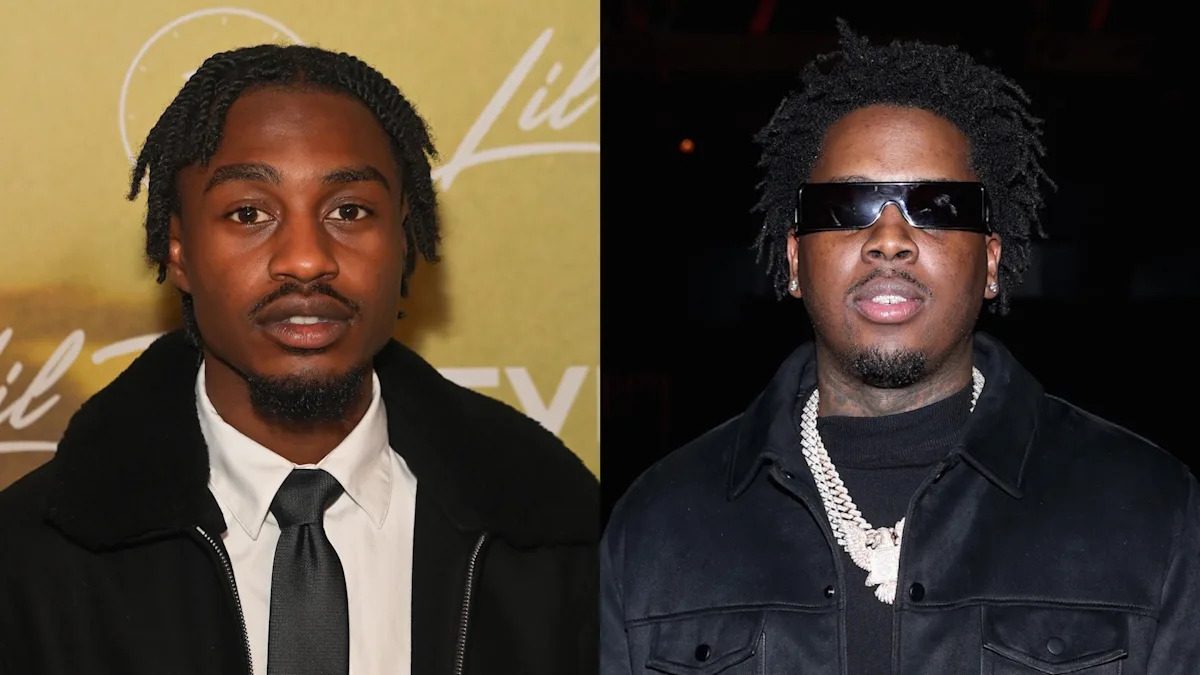
Lil Tjay’s reflections on his 2022 recovery provide a stark analysis of the psychological disorientation inherent in severe physical trauma. By detailing his initial lack of temporal awareness upon waking from a coma, the artist exposes the disconnect between private physiological struggle and the sanitized public perception of celebrity rehabilitation.
Operational Realities of High-Profile Recovery
The incident in Edgewater, New Jersey, served as a pivot point in the artist’s career, necessitating an emergency intervention that forced a hiatus from his professional trajectory. This recovery period was not merely biological; it required navigating institutional expectations and a global fanbase, illustrating how public figures often face isolation despite constant media visibility.
Strategic Shifts and Musical Confrontation
The Big One Edition of the album They Just Ain’t You functions as a strategic repository for interpersonal grievances. By incorporating the track “Go Tati,” Lil Tjay has shifted his artistic output toward direct confrontation within the hip-hop landscape, signaling a departure from traditional promotional cycles toward active social mediation.
The Role of Social Media in Conflict Escalation
The allegations leveled by Tatiana Chanell—involving claims of kidnapping and physical abuse—provided the framework for Lil Tjay’s lyrical response. In the current digital ecosystem, the dissemination of visual evidence regarding these claims forces industry participants to take sides, effectively transforming private disputes into matters of public discourse and professional accountability.
Institutional and Reputational Implications
When artists incorporate contentious legal and personal allegations into their music, they redefine the framework of brand management. The decision to leverage these accusations creates a high-stakes environment where an artist’s commercial viability is tied to their stance on social and criminal conduct, outpacing formal judicial proceedings.
Structural Dynamics of the Modern Hip-Hop Ecosystem
The cyclical nature of Lil Tjay’s narrative—moving from survival to aggressive posturing—reflects the modern industry’s demand for constant, evolving conflict. As the lines between artistic expression and judicial reality blur, stakeholders must confront the fact that public sentiment, rather than formal legal outcomes, increasingly dictates the reputational landscape of the music industry.