Rotation Stability Amidst High-Volume Roster Attrition
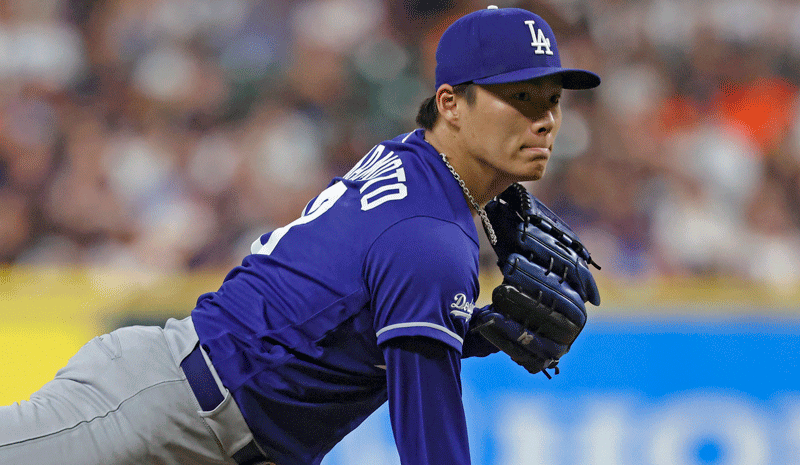
The Los Angeles Dodgers’ second game in their four-game set against the San Francisco Giants serves as a critical case study in rotation management under duress. Yoshinobu Yamamoto’s Tuesday night start is a high-leverage deployment intended to mitigate the impact of a three-game losing streak and a depleted pitching staff. With several primary starters sidelined, Yamamoto has transitioned from a high-upside acquisition to the rotation’s essential stabilizer, tasked with providing the length necessary to preserve an overworked bullpen.
Yamamoto’s home-field dominance is underscored by a 2.92 ERA across his first four starts at Dodger Stadium. His previous efficiency against the Giants—throwing seven innings of three-run ball on April 21—validates the front office’s investment in his command-centric profile. Statistically, Yamamoto’s 3.09 season ERA is mirrored by a 3.53 FIP, suggesting that his run prevention is grounded in sustainable peripheral metrics rather than defensive variance. His ability to maintain a 4:1 strikeout-to-walk ratio (40 Ks to 10 BBs) over 43.2 innings remains the foundation of the Dodgers’ current defensive architecture.
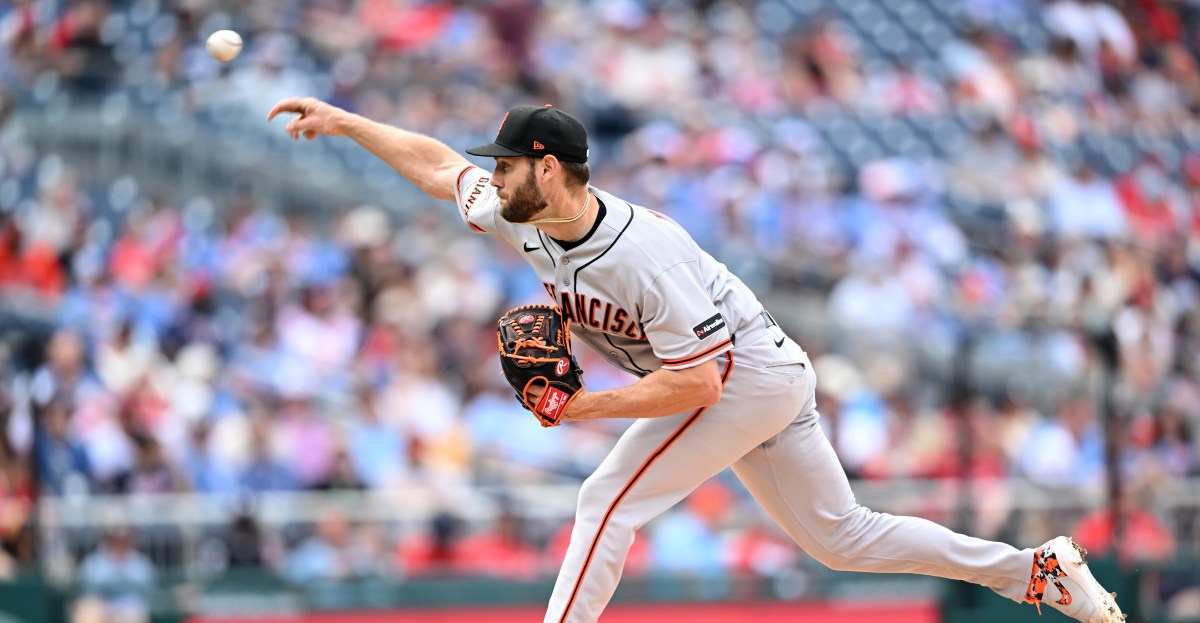
Conversely, San Francisco counters with veteran right-hander Adrian Houser, whose profile presents a stark analytical contrast. Houser’s 6.19 ERA and 5.57 FIP indicate significant vulnerability, particularly against a Dodgers lineup seeking a rebound. Houser’s reliance on contact—evidenced by a .295 expected batting average (xBA) and a strikeout rate in the bottom decile of the league—creates a strategic opening for Los Angeles to exploit defensive gaps through high exit-velocity contact.
Bureaucratic Engineering: 40-Man Roster Optimization
The Dodgers’ front office continues to perform aggressive roster surgery to address systemic injury concerns. The recent selection of Wyatt Mills’ contract and the optioning of Paul Gervase highlight a “churn-and-burn” strategy for the active bullpen. To facilitate these moves, the club transferred Edwin Díaz to the 60-day injured list. This procedural shift is a strategic necessity to clear 40-man roster space, signaling a prolonged recovery timeline for Díaz and a commitment to integrating fresh arms like Mills into high-leverage windows.
The absence of Tyler Glasnow has amplified the psychological and operational pressure on the remaining rotation. Without their projected ace, the Dodgers must rely on Yamamoto to act as a “stopper.” His historical dominance over the Giants’ current roster is significant; San Francisco hitters have posted a meager .532 OPS against him. Yamamoto’s 32.4% strikeout rate in these head-to-head matchups provides the Dodgers with a tactical advantage that traditional scouting and advanced modeling both favor heavily.
Market Valuation and Competitive Projections
The betting market’s lopsided valuation of the Dodgers at -290 reflects the massive disparity in starting pitching quality. This sentiment is driven by Houser’s hard-hit rate (bottom 15th percentile) and Yamamoto’s consistent floor; the latter has yet to surrender more than three earned runs in a single 2024 appearance. Historical trends also favor a low-scoring environment, as the under has hit in four of the last five meetings between these divisional rivals.
Operationally, manager Dave Roberts is prioritizing innings-eating performances. Yamamoto has completed at least six innings in six of his last seven starts, a feat that provides the Dodgers’ coaching staff with the luxury of bypassing middle-relief volatility. While the Giants hope Houser can replicate his recent six-inning, one-run anomaly against San Diego, the underlying metrics suggest the Dodgers possess the superior probability for run prevention and offensive execution in this divisional clash.