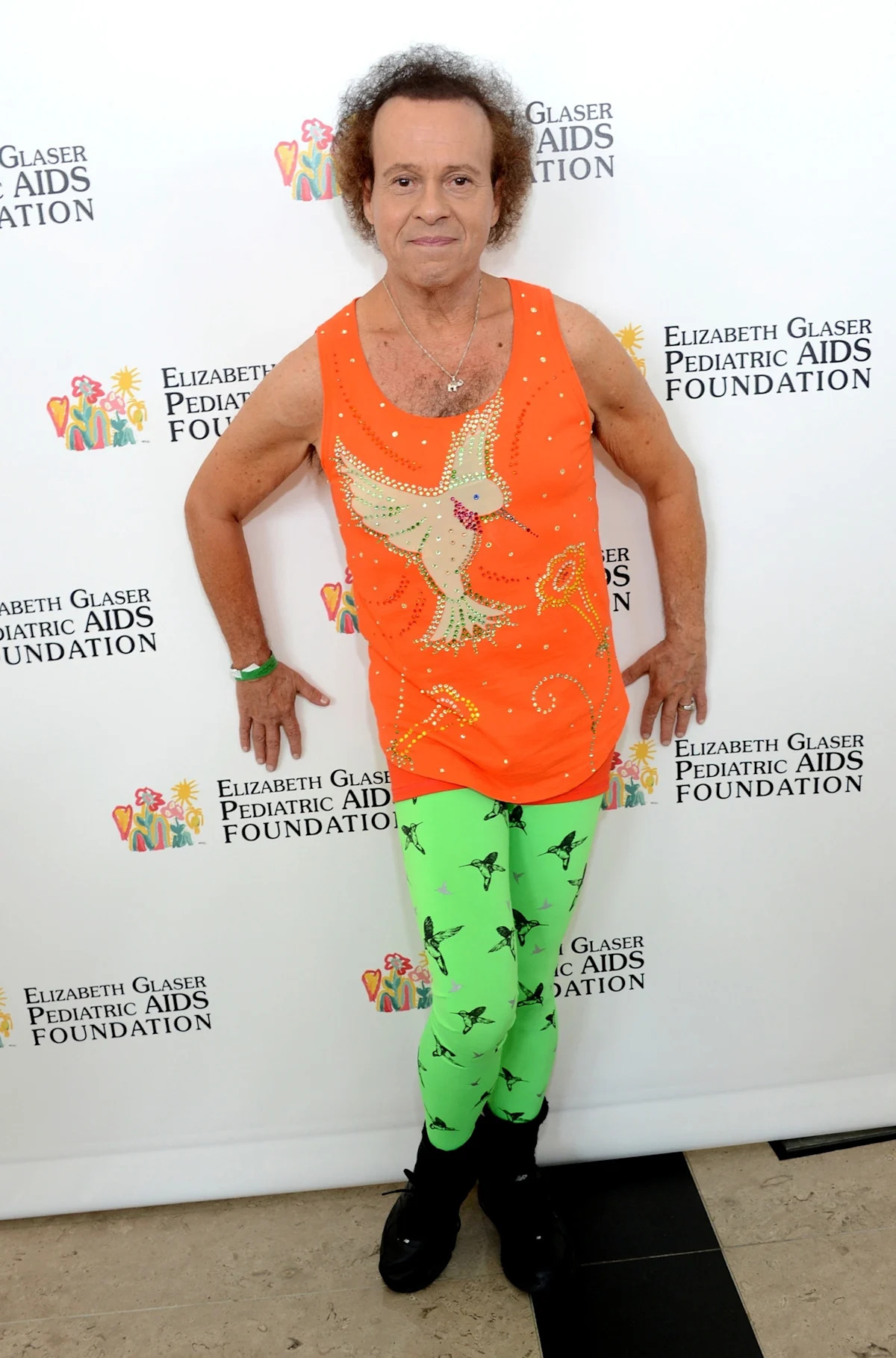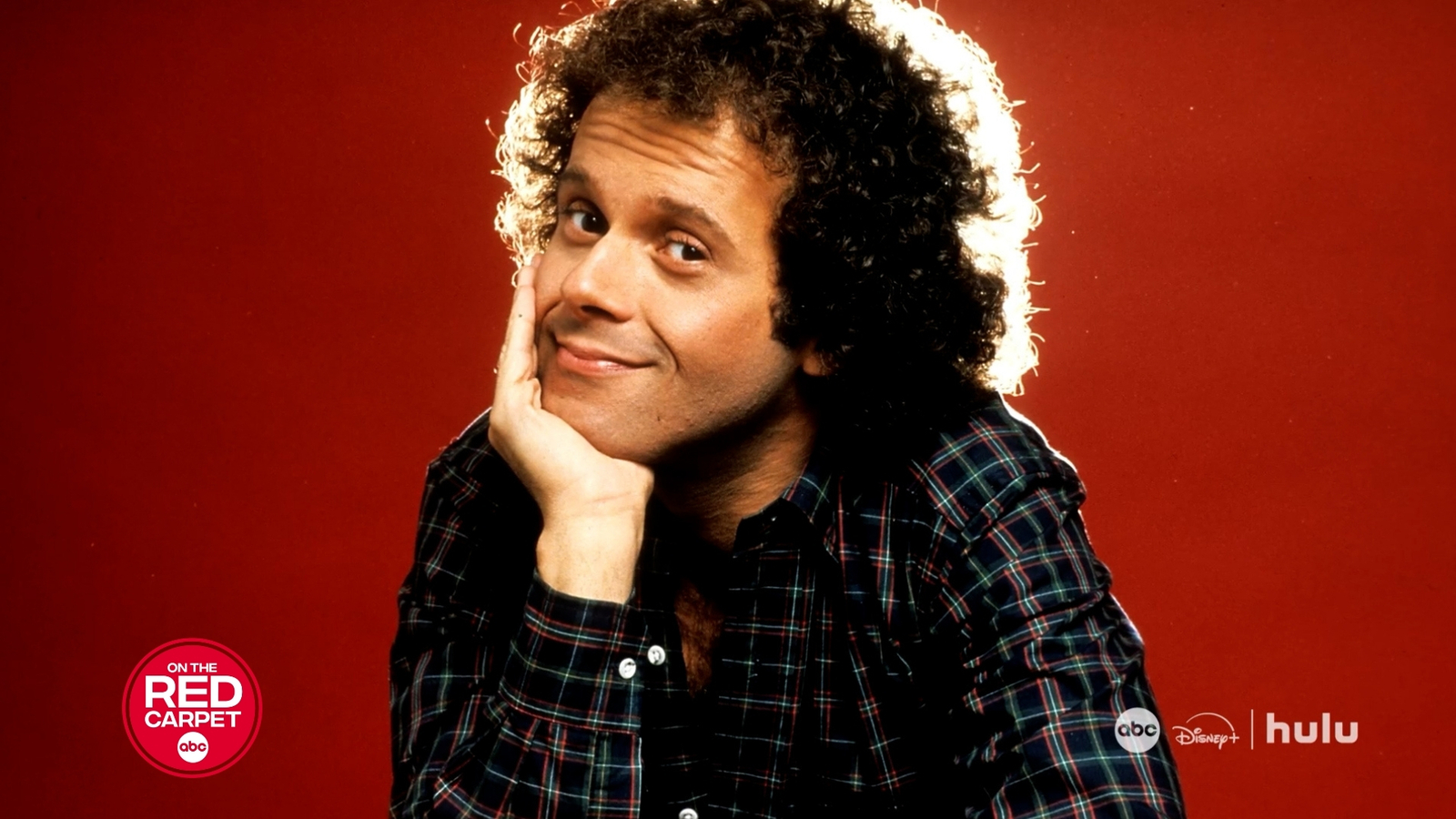
The death of Richard Simmons on July 11, 2024, concluded one of the most disciplined strategic withdrawals in modern celebrity history. His decade-long reclusion, beginning in 2014, serves as a masterclass in the management of private autonomy against the pressures of the celebrity-industrial complex. The ABC News special, led by Diane Sawyer, provides a post-mortem lens into the operational frameworks—specifically the role of long-term domestic management—that sustained this isolation while maintaining a high-value legacy brand.
Operational Insulation and the Human Firewall
Teresa Reveles, Simmons’ house manager for thirty years, functioned as a critical human firewall. Her role evolved from domestic logistics to a sophisticated gatekeeping operation that effectively neutralized external scrutiny. In an industry where domestic turnover often results in information leaks or litigation, Reveles’ loyalty provided Simmons with a level of operational security rarely achieved by high-net-worth individuals. This internal stability allowed the fitness icon to transition from a public-facing asset to a private entity without total brand dissolution.
Logistical maneuvers, including the use of elaborate disguises for urban excursions, highlight a tactical commitment to personal privacy. These actions suggest a deliberate choice to devalue his current-day persona in favor of protecting his historical brand equity. By observing the world from a distance, Simmons maintained a psychological connection to the public sphere without the reciprocal burden of fame, effectively utilizing his estate as a sanctuary of controlled engagement.
Narrative Architecture: Monetizing the ‘Mystery’
The ABC News production, ‘The Mystery of Richard Simmons: A Diane Sawyer Special,’ illustrates how media organizations convert personal privacy into a marketable commodity. By framing Simmons’ absence as a ‘mystery,’ the network leveraged a high-engagement narrative structure across linear and digital platforms. This transformation of a retirement decision into a journalistic investigation highlights the persistent tension between an individual’s right to obscurity and the audience’s appetite for legacy content.
Diane Sawyer’s involvement provided institutional authority, elevating the discourse from tabloid speculation to a high-gravity documentary format. The special functioned as a curated post-mortem of a brand that successfully navigated the transition from hyper-visibility to total reclusion. This transition is historically significant; Simmons managed to remain culturally relevant for a decade through silence, proving that absence can be as powerful a brand-management tool as constant digital presence.
Paradigms of Inclusive Wellness
Simmons’ career established a precursor to contemporary wellness movements by prioritizing emotional accessibility and body inclusivity. His ‘loving them back to health’ methodology disrupted the aggressive, performance-oriented fitness trends of the late 20th century. This strategic differentiation created a durable financial foundation that supported his eventual retreat, ensuring his legacy remained tied to positive social impact rather than fleeting market trends.
The shift from the high-energy ‘Sweatin’ to the Oldies’ era to his final silent decade reflects a broader lifecycle in celebrity-driven brands. As fitness moved toward data-driven, impersonal digital platforms, Simmons’ personality-centric model remained a relic of a different era. His withdrawal may have been a strategic preservation of his legacy, preventing the dilution of his persona within a rapidly evolving, algorithm-heavy health market.
Legal Frameworks and the Right to Obscurity
The Simmons case underscores significant ethical and legal questions regarding a public figure’s right to disappear. In an era of mandatory connectivity, total reclusion is often pathologized, leading to wellness checks and investigative intrusion. The effectiveness of Simmons’ retreat was predicated on strong legal protections, including non-disclosure agreements (NDAs) and a tightly controlled private infrastructure that successfully resisted commercial exploitation.
However, the circumstances surrounding his death—a fall in a high-resource but isolated environment—highlight the operational risks of absolute reclusion. While domestic management provided immediate daily support, the deliberate lack of a broader social or medical network illustrates the inherent trade-offs between total privacy and integrated elder care. This tension remains a primary challenge for high-profile individuals seeking to manage their final chapters outside the public eye.
Posthumous Brand Equity and Curated Memory
The death of a dormant icon creates a unique surge in brand interest, requiring immediate estate management and strategic narrative control. The ABC special served as a vetted narrative that helped stabilize Simmons’ posthumous legacy against unauthorized accounts. Moving forward, the management of his intellectual property—specifically the archival value of his fitness programs—will rely on how effectively his estate can navigate the nostalgia market while maintaining the integrity of his mission.
Simmons’ impact on the fitness industry is institutional. He proved that emotional connection is the primary driver of long-term brand loyalty. As wellness brands continue to seek authenticity, the lessons from Simmons’ career—and his disciplined exit—will remain a benchmark for the democratization of health. His legacy is defined not just by his presence, but by his ability to define the terms of his departure.